Fasting and not drinking water for long periods of time during Ramadan can make the skin look dull or dry. Ubtan is a natural skincare paste made with common kitchen ingredients that is often used in South Asian and Ayurvedic beauty rituals.
For hundreds of years, people have used ubtan to gently scrub their skin, brighten it, and keep it hydrated. Turmeric, honey, and chickpea flour are just a few of the ingredients that help remove dead skin cells and nourish the skin. This makes it a popular natural way to get a healthy glow during Ramadan.
Important Parts of Ubtan
Traditional ubtan recipes use natural ingredients that are known to be good for the skin.
Turmeric
Turmeric is very good at fighting bacteria and inflammation. It helps make the skin brighter, less dull, and better overall.
Honey
Honey is a natural humectant, which means it helps keep the skin moist. It also has calming effects that help the skin heal.
Flour from chickpeas (besan)
Besan is a gentle scrub that gets rid of dirt and dead skin without using harsh chemicals.
Rose Water or Milk
These liquids help hold the ingredients together and make the skin softer and more hydrated.
These ingredients work together to make a simple but effective skincare mix that helps skin look healthy.
A Simple Ubtan Recipe for Shiny Skin
This simple ubtan works well on most skin types and can be used once or twice a week.
Things that go into it
- 2 tablespoons of chickpea flour (besan)
- ½ teaspoon of turmeric powder
- 1 tsp of honey
- 1–2 tablespoons of milk or rose water
How to Use
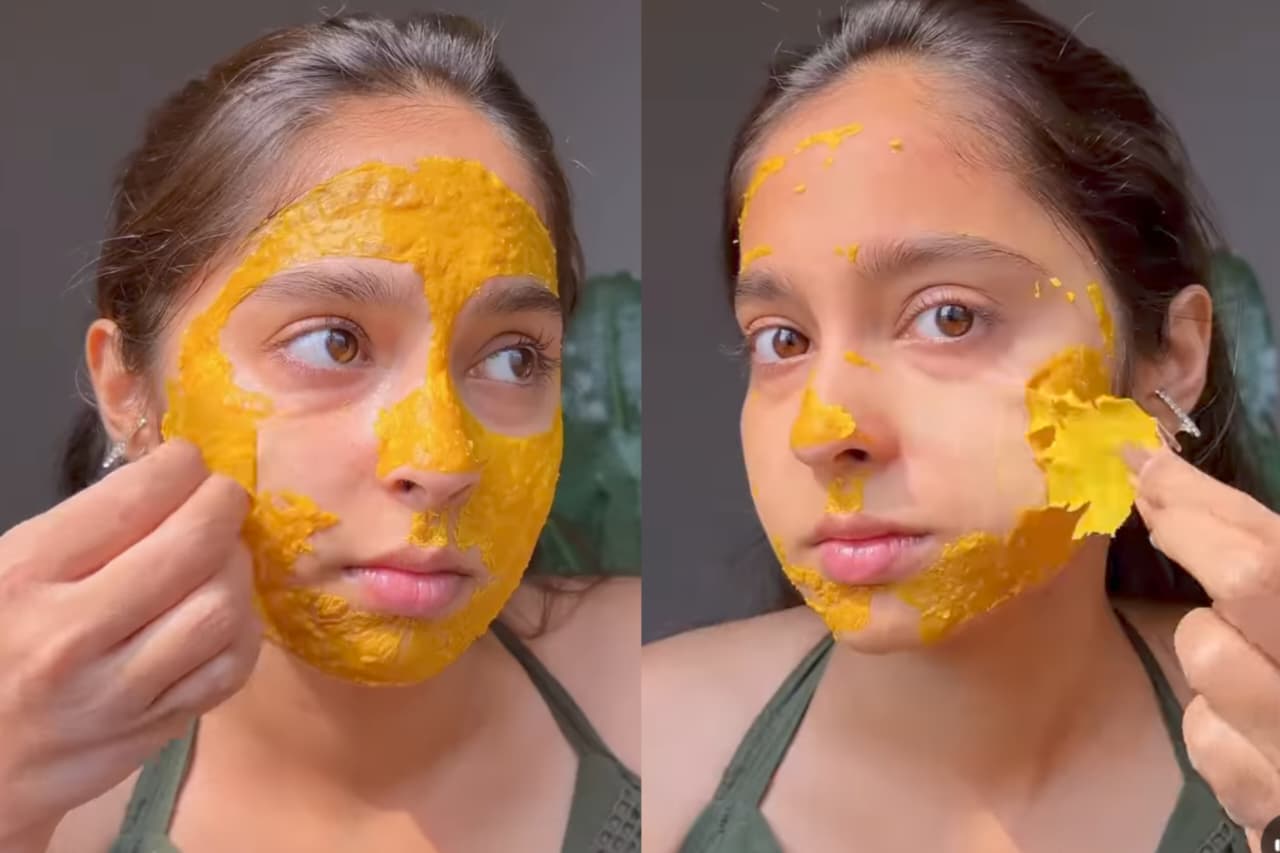
In a small bowl, mix the ingredients together until they make a smooth paste.
Put it on clean skin all over your face and neck.
- For about 15 minutes, leave it on.
- While rinsing with lukewarm water, massage the skin gently.
- Put on a light moisturiser at the end.
- This routine gets rid of dead skin cells and makes the skin look fresh and bright.
- Ubtan for dry skin that adds moisture
- Sometimes, fasting during Ramadan can make your skin dry. A richer ubtan recipe can help add moisture.
Things you need
- Two tablespoons of chickpea flour
- ½ teaspoon of turmeric
- 1 tablespoon of honey
- 1 tablespoon of milk or yoghurt
- A little bit of sandalwood powder (optional)
How to Use
Make a paste out of the ingredients and put it on your face and neck. After 20 minutes, rinse with warm water gently.
This version can help keep skin soft and hydrated if you use it two to three times a week.
Best Results Tips
To get the most out of ubtan during Ramadan:
- Before putting it on your face, always do a patch test.
- Stay away from the eye area to avoid irritation.
- Don’t wear the mask for more than 20 minutes because it could dry out your skin.
Using ubtan before iftar can help your skin feel better after a long day of fasting.
If you use this natural remedy regularly, it can help keep your skin healthy and glowing during Ramadan.
FAQs
1. What is ubtan, and why do people use it on their skin?
Ubtan is a traditional herbal paste for the skin that is made with natural ingredients like turmeric, chickpea flour, and honey. It helps remove dead skin cells and brighten the skin.
2. Is it okay to use ubtan while fasting during Ramadan?
Yes. Ubtan is a gentle, natural treatment that helps keep the skin hydrated and glowing, even when fasting can make you dehydrated.
3. How often should you use ubtan?
Depending on their skin type and how sensitive it is, most people can use ubtan once to three times a week.
4. Is ubtan good for all skin types?
Yes, but the ingredients can be changed. If your skin is dry, add yoghurt or milk. If your skin is oily, rose water might work better.
5. Does turmeric in ubtan leave a mark on the skin?
Turmeric may leave a slight yellow tint for a short time, but it usually comes off easily when used in small amounts.
Read Also: Storm Warning: Why a 55 km/h “Kalbaishakhi” Is About to Hit 7 States and Bangladesh