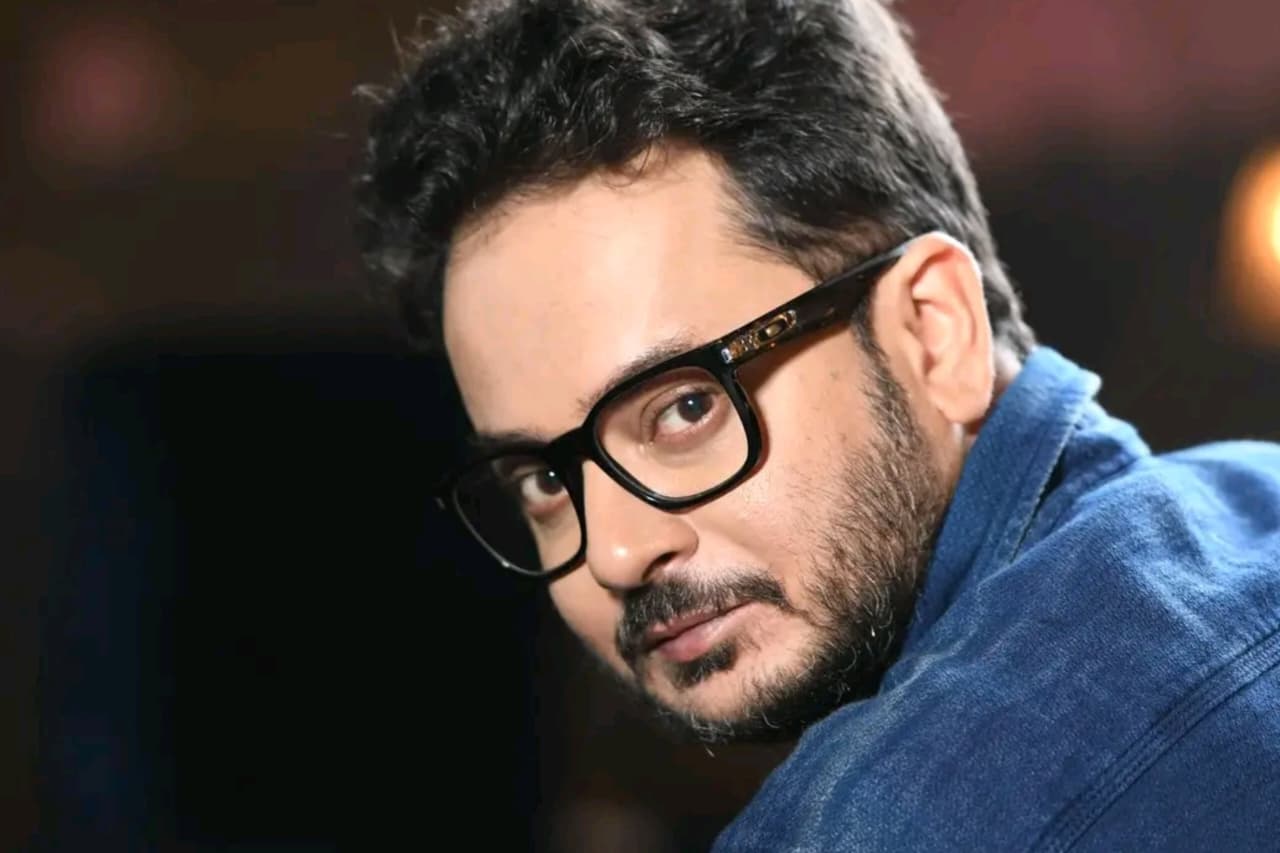
The awful incident of the tragic death of Rahul Arunoday Banerjee has jolted the entire Bengali film and television industry, compelling a much-needed reevaluation of on-set safety protocols. What started as a state of outrage and grievance has since evolved into a structural change — a change that might redefine how Tollywood operates in the coming years.
Although the new safety measures are expected to increase the safety of the actors and the crew, there is also a major drawback in increasing the cost of production and the time. The industry has been caught between creative aspiration and adherence and responsibility.
A Turning Point of Tollywood Safety Standards
Over the decades, Tollywood has been functioning with both formal and informal practices. Lower budgets usually equate to tradeoffs- particularly regarding safety precautions during outdoor shoots or during dangerous scenes.
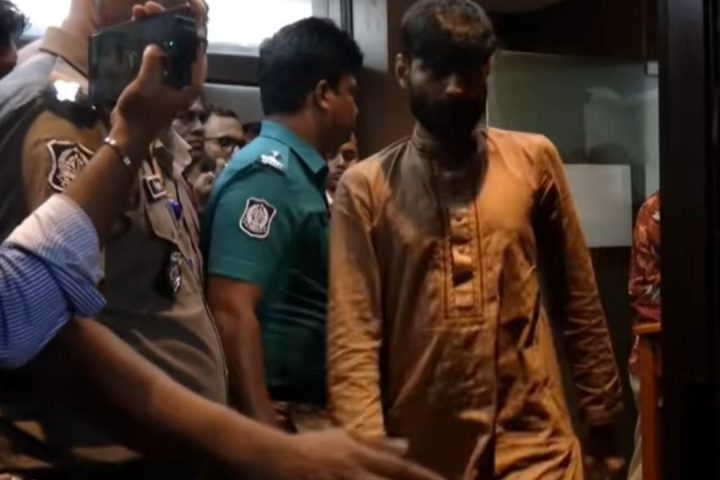
Nevertheless, the death of Rahul Banerjee, which is said to have been caused by a dangerous shooting site, has shown some serious lapses. Industry organisations and trade unions have reacted hastily, agitating towards a common system of safety regulation that can apply to any production, whether in the form of television serials or major movies.
The core of this change lies in the implementation of standard operating procedures (SOPs), which are mandatory. These guidelines are developed to control all factors, such as location selection to emergency preparedness, which is no longer an option.
What the New Safety Rules Are Like
This new safety system is holistic and a definite break with history. Key changes include:
1. Pre-Shoot Risk Assessments
Film producers now have to carry out a thorough risk assessment prior to going on camera, particularly in risky areas such as water bodies, forests, or in congested places. This involves obtaining local approvals and evaluating the environment.
2. Mandatory Insurance Coverage
Cast and crew insurance is turning into a necessity. This action provides financial security against accidents- a measure that used to be ignored in smaller productions.
3. On-Set Safety Supervision
Safety officers will be hired to check adherence to safety during shoots. They will play the role of detecting risks in real time and stopping the production in case of need.
4. Emergency Preparedness
Productions will be required to provide basic medical facilities at the production site such as first-aid kits, trained personnel and, in other instances, special facilities such as lifeguards or rescue personnel.
5. Accountability Framework
The introduction of clear liability clauses is underway and producers will be directly liable to safety lapses. This may also result in more rigorous legal implications in case of negligence.
The Financial Effect: Increasing Costs throughout the board
However, as much as these measures are essential, they are costly- literally.
Increased Production Budgets
Compliance on safety will greatly increase the cost of production. Such costs as insurance premiums, protective equipment, and professional oversight can increase budgets by 10-25 percent, especially when shooting outdoors or in high-risk environments.
Higher Pre-Production Expenses
Film will take even more time and resources before risk assessments, legal clearances and location audits are completed before the start of the film. This moves more of the budget towards the planning phase.
Small Producers Pressure.
It may be the hardest with independent filmmakers and low-budget TV productions. To them, the slightest rise in expenses can upset financial sustainability, which may cause a reduction in the number of greenlit projects.
Discover More Stories Worth Your Time
How Avoid Post-Eid Traffic Rush?
Explore smart tips to avoid heavy traffic after Eid holidays.
How Is Buffalo Curd Made?
Explore the traditional process of making buffalo curd in Bhola, Barisal.
When Visit Na Tham Waterfall?
Check the best time and safety tips for visiting Bandarban’s waterfall.
Which IT Firms Lead Exports?
Explore top IT companies driving Bangladesh’s ICT export growth globally.
Why Tourism Booming Bangladesh 2026?
Explore why 2026 is a landmark year for Bangladesh tourism growth.
The Time Factor: Less Hasty, More Organized Times
Other than finance, the new protocols will have an effect on the speed of projects going through to the screen.
Delayed Shoot Timelines
Providing approvals, safety checks and compliance will indefinitely slow down the pre-production process. Shoots which started to grow in days, now take weeks to serve.
Longer Shooting Hours
Stunt or complicated setups will need more time to brief on the safety and controlled performance. This minimizes the scenes to be shot in one day.
Loss of Flexibility during Set.
Filmmakers tend to use spontaneity – capturing things on the spot or improvising the scenes. Such flexibility will be restricted in the new system, with all actions to be consistent with safety measures.
A Future Trade-Off That is Necessary
This change is, nevertheless, needed and unavoidable according to many insiders of this industry. A weak area of Tollywood, particularly in comparison with bigger industries such as Bollywood or Hollywood, is the absence of standardized safety measures.
The industry can have some disruptions in the short term, such as increased costs, reduction in projects, and a smaller margin. However, in the long term, these reforms may contribute to the more professional and globally competitive ecosystem.
A higher standard of safety can also enhance the working conditions, recruit professionalism as well as gain trust among both investors and viewers.
Conclusion
Rahul Arunoday Banerjee, the death is a sad reminder of the danger in the movie-making business. Still, it has also turned into a change agent.
Tollywood is at a crossroad. It may either evolve towards a more stable and safer future or may repeat the errors of the past. The way forward is perhaps more expensive and time-consuming, yet worth its price, it will yield one thing, and that is a film industry in which safety is not an afterthought, but a core value.