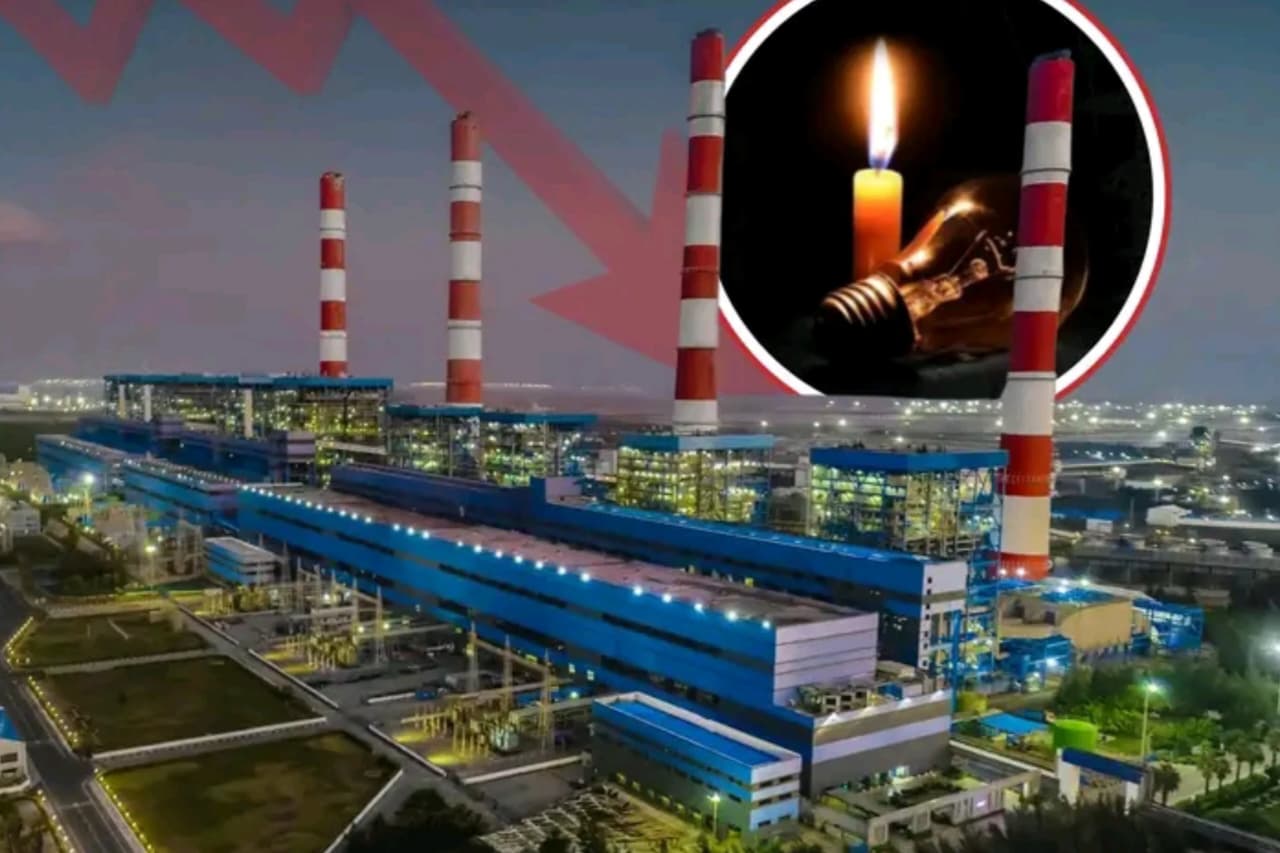
Currently, Chattogram is experiencing one of its largest energy shortages in recent years. Almost half of the power plants in the city are out of service, resulting in an electricity shortfall of about 200 MW.
8 to 10 hours of load shedding are being experienced in urban regions, and in rural areas, the outages last from 12 to 14 hours. The hot weather is exacerbating this situation; therefore, it is becoming increasingly difficult to live in Chattogram.
Why are 9 of the Power Plants Shut in Chattogram?
There is a major shortage of fuel and gas, which means that many of the power generation facilities currently available cannot operate. The following power generation stations have been removed from service because of a lack of fuel supply:
- Kaptai hydroelectric generating station units
- Many of the Raozan power plant units
- The Juldha 2 and 3 power stations
- The Raojhan 1 and 2 facilities
- A wind-generated power plant in Cox’s Bazar
The Power Development Board (PDB) has reported that due to supply problems, a significant amount of generation has been lost, requiring a large amount of electricity to be drawn well above the total available supply.
200 MW Power Deficit: Why Load Shedding is Getting Worse
Industry experts say the actual electricity shortfall exceeds official estimates of 170 MW, with actual reported demand exceeding 200 MW.
According to reports, authorities say that many people are suffering from these blackouts because there is not enough electricity to supply the many energy users in Chattogram.
Chattogram and Cox’s Bazar are currently on an aggressive load-shedding schedule, especially in the following areas:
- Rural Chattogram
- Cox’s Bazar
- Peripheral industrial areas
Some places have had no power for nearly 12 hours per day, significantly impacting homes and businesses alike.
The power outage has caused a crisis with the water supply, since Chattogram WASA relies on continuous electricity to treat and pump water.
The following events take place when the electricity goes out:
- Water treatment processes are disrupted.
- Intermittent pumping stations shut down.
- Water pipeline runs dry.
In addition, due to the salinity of the Halda River and Karnaphuli River, water production has already decreased by 8 to 10 per cent, worsening the water crisis.
The impacts of the electricity and water crisis have had an impact on all sectors of society, e.g.:
- Businesses have incurred productivity losses.
- Small business owners have had significant difficulty operating.
- Residents must face extreme heat without power.
- Water shortages have resulted in a decrease in personal hygiene and increased health concerns.
The combined effect of both the electricity and water crisis is causing Chattogram to enter a state of nearly an emergency.
Discover More Stories Worth Your Time
Check Why Crime Rates Rising?
Explore what’s driving the 14% surge in violent crime across Dhaka in 2026.
Find How To Travel Solo Safe?
Discover essential safety tips every Bangladeshi woman should know before a solo trip.
Explore How SSC Exams Began?
Discover how nearly 19 lakh students are participating nationwide in the 2026 SSC exams.
Check Why UV Index Dangerous?
Explore why today’s UV level has reached extreme risk across Bangladesh.
See How Business Setup Easier?
Discover how the new investment agency merger simplifies starting a business.
Is There Any Relief in Sight for Chattogram?
At this time, officials lack a definite time period for when normal power will be supplied again. This crisis is caused by the lack of fuel, so unless that improves:
– Load shedding may persist or worsen
– Demand could continue to increase due to summertime heat
– Depending on how quickly fuel supplies improve and the overall adjustments that may be made to the national power grid, the recovery process could take a long period of time.
Experts do not believe relief will happen quickly, especially where fuel is still unavailable.
What Residents Can Do To Prepare For This Crisis
While this situation is still ongoing, residents are encouraged to:
– Stock up on enough drinking water for themselves and their families
– Utilise back-up power generation systems that may be available
– Attempt to avoid utilising electricity during periods of peak demand
– Stay hydrated and do whatever you can to stay cool
Conclusion
Chattogram’s current blackout situation is an urban crisis- it is a situation with far-reaching consequences beyond just that of electricity and will affect the availability of water, and to some extent, the ability to maintain daily life within the city. Without an immediate solution, residents will have to continue to prepare themselves for the following challenges- as well as many others- that lie ahead as local and state government agencies attempt to stabilise fuel supplies and develop a long-term plan for restoring the ability to provide safe and reliable electricity to all areas of the city.