
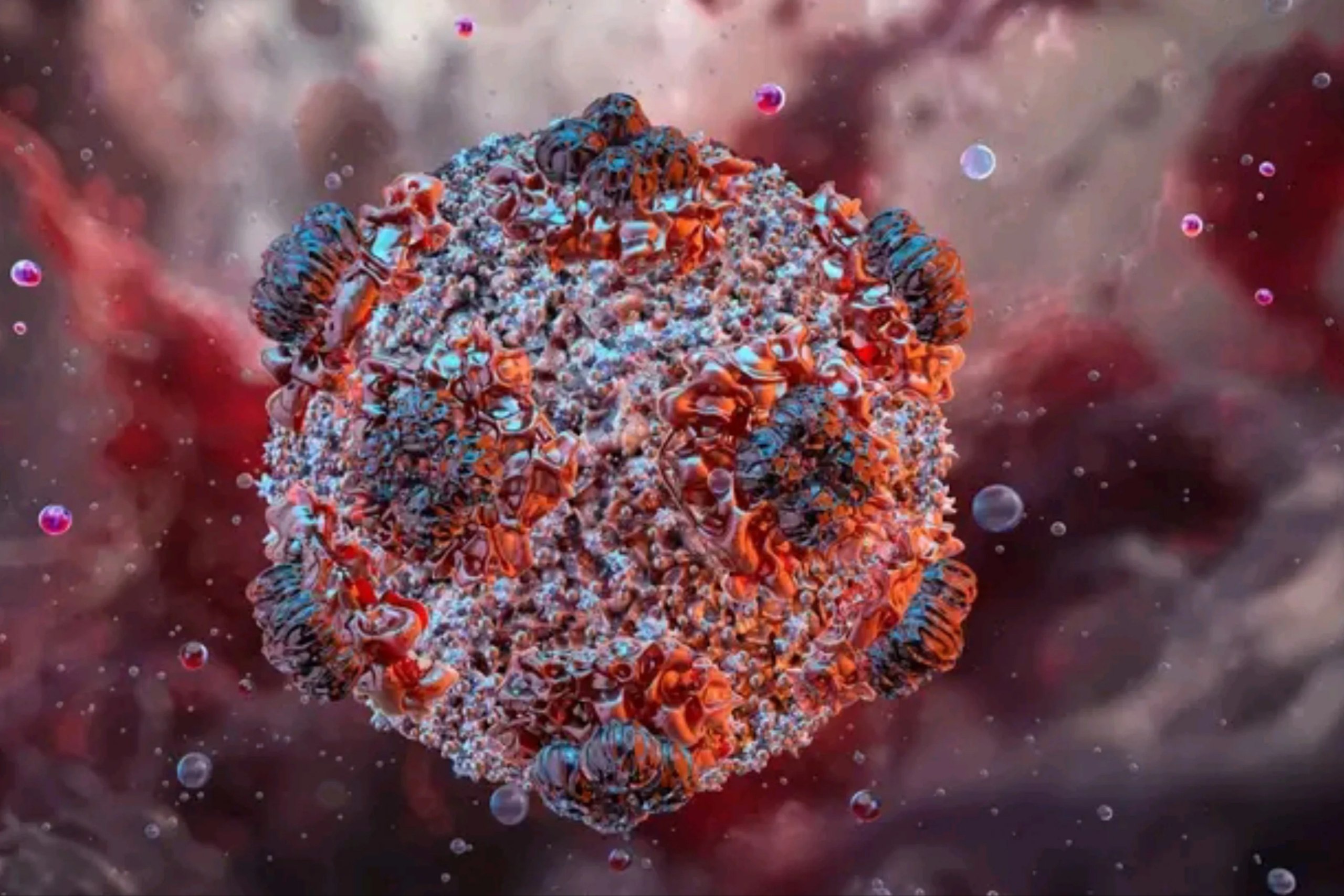
Hantavirus is a rare but potentially deadly disease that is transmitted mainly by contact with infected rodents, their droppings, urine or saliva. Infections are rare, but health experts say the risk of exposure can be heightened by improper cleaning of a rodent-infested space. Knowing how to identify early symptoms and how to properly clean affected areas can help protect your family and prevent serious complications.
What is hantavirus, and how is it transmitted?
The most common way people get hantavirus is by breathing in tiny particles in the air that have been contaminated withrodent waste. This usually happens when cleaning enclosed or dusty places such as garages, storerooms, attics, sheds or abandoned rooms where rodents have been present.
In most areas, the virus is not usually spread from person to person, so rodent control is the most important way to prevent the disease.
Hantavirus Common Symptoms
The early symptoms can be similar to the flu, and this is why a lot of people tend to ignore the warning signs at first. Symptoms can occur from one to eight weeks after exposure.
Early Warning Indicators
- Chills and fever
- muscle pain
- Tiredness
- Headaches
- Nausea or vomiting
- Abdominal pain
Discover More Stories Worth Your Time
Explore Why Runa Laila Angry?
Discover how the legendary singer reacted to viral death rumours from Delhi.
Check How To Get Car Loan?
Explore the new Tk 80 lakh green hybrid loan rules, eligibility, and application process.
See How Bills May Rise?
Discover how the proposed 21% electricity hike could impact your monthly costs.
Find Will Metro Run Late?
Explore the latest proposal for Dhaka Metro’s night service and updated timings.
Learn How To Buy Tickets?
Discover Mirpur Test ticket prices and booking details ahead of the May 8 match.
Severe Symptoms That Need Immediate Medical Attention
- Breathlessness
- A tight chest
- Breathing problems
- Fast heartbeat
- Bad Coughs
Breathing problems can become dangerous quickly, as hantavirus can severely affect the lungs. Doctors say patients should seek emergency care immediately if they develop respiratory symptoms after recent rodent exposure.
How to Know Whether Your Exposure Might Be Serious
You may be at greater risk if:
- You cleaned rat shit in a sealed room
- You vacuumed or swept dry droppings.
- You were in a dusty environment with signs of rodents
- You touched nests or dead rodents with your bare hands
- You noticed symptoms after cleaning contaminated places
Don’t ignore even mild flu-like symptoms if there was recent heavy rodent exposure.
Do’s and Don’ts To Protect Your Home From Hantavirus
| Topic | Do | Don’t |
| Rodent control | Seal holes larger than ¼ inch using cement or metal; use traps | Ignore small openings or leave junk piles near walls |
| Food & clutter | Store food in sealed containers and clean spills quickly | Leave pet food exposed or keep loose garbage indoors |
| Before cleaning | Ventilate the area for at least 30 minutes and wear gloves | Start cleaning immediately in a closed room |
| Cleaning method | Spray droppings with disinfectant, let them soak, then wipe carefully | Sweep, vacuum, or blow dry droppings |
| Health monitoring | Watch for fever or breathing issues after exposure | Assume symptoms are “just flu” after rodent contact |
Safe Cleaning Guidelines for Rodent-Infested Areas
- One of the most important ways to reduce infection risk is by cleaning correctly.
- Open the Windows
- Open windows and doors for at least 30 minutes before room use.
Put on Protective Gear
Wear disposable gloves. Wear a suitable respirator mask in confined or heavily polluted areas.
First disinfect
Spray nests, droppings, or contaminated surfaces with a disinfectant or a bleach solution. Let soak for a few minutes.
Gently Wipe It Off
Remove the waste with paper towels or disposable cloths. Put everything in plastic bags and seal up.
Sanitize Again
After removing the droppings, clean the area a second time.
Important:
Never sweep or vacuum rodent droppings when they are dry because this can cause contaminated particles to become airborne.
How to Keep Rodents Out of Your House
Prevent rodents for the best long-term protection.
- Limited Entry Points
- Cracks and gaps in seal wall
- Fix busted doors or vents
- Put metal mesh over pipe openings
- Remove Sources of Food
- Keep grains and dry foods in airtight containers.
- Keep trash bins securely closed
- Don’t leave pet food out overnight
- Remove Hiding Places
- Free up storage space
- Firewood should be kept away from walls
- Trim bushes close to home
When you should see a doctor
If you have: Seek medical attention immediately
- You just cleaned up rat poop
- You get a fever or body aches later
- Breathing is hard
- Symptoms rapidly progress over a few days
In serious cases, it can be very important to get medical help early.
Conclusion
Although hantavirus infections are still relatively rare, the disease can become severe very quickly if ignored. The best way to protect yourself and your household is to practice safe cleaning habits, prevent rodents, and be aware of early symptoms. Small precautions now can go a long way toward reducing the risk of harmful exposure down the road.