DHAKA, May 25, 2026: Bangladesh Bank is set to introduce one of its most ambitious rural finance programmes ever, the “One Village One Product” (OVOP) scheme. This will be a far-reaching initiative aimed at opening up collateral-free credit for grassroots entrepreneurs across every district of the country.
What Is the OVOP Scheme?
Bangladesh Bank is planning to launch a nationwide One Village One Product (OVOP) scheme with BDT 100 billion in financing to be channelled through 52 banks to rural producers in an effort to create jobs for more than 10 million people and promote unique village products in export markets.
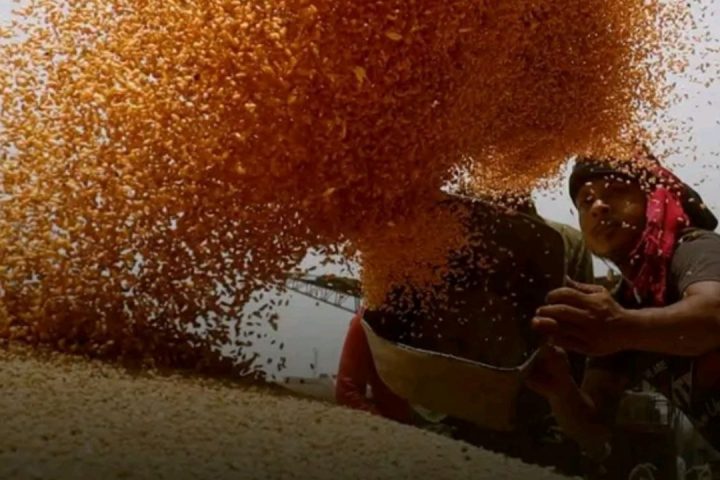
This is a big change from the way rural lending has traditionally worked in Bangladesh. The plan proposes a shift from traditional collateral-based lending to value-chain financing that covers production, processing, logistics and export. This means a weaver in Tangail, a potter in Rajshahi, or a handicraft producer in Sylhet will no longer have to pledge land or property to access formal credit.
Who Is Driving the Initiative?
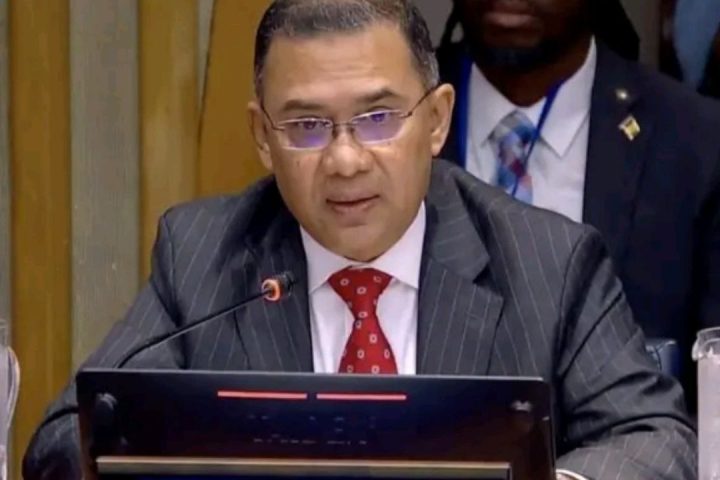
The central bank has formed a committee to drive the initiative, chaired by Mashrur Arefin, chairman of the Association of Bankers, Bangladesh and managing director of City Bank. The committee has already begun formal deliberations on the programme architecture, with City Bank’s deputy managing director presenting the project blueprint at the inaugural meeting at Bangladesh Bank’s headquarters.
Three-Phase Rollout Plan
Implementation is planned in three phases: cluster selection, registration and initial financing in the first year; national expansion and market-platform construction in the second; and full rollout across 68,000 villages by the third year. The target is to bring more than 10 million producers and entrepreneurs into the fold over the period.
This phased approach ensures that the programme is stress-tested in selected clusters before being scaled nationally. A lesson drawn from earlier rural credit initiatives that stumbled on rapid, unmanaged expansion.
Digital Identity and Alternative Credit Scoring
One of the most forward-looking features of the OVOP scheme is its digital backbone. Every producer will receive a digital identity, and alternative-data credit scoring will be deployed. Banks will now have to assess creditworthiness based on production records, mobile transaction history, and supply chain participation rather than conventional collateral or formal financial statements. This is expected to bring millions of unbanked rural entrepreneurs into the formal credit system for the first time.
What Products Will Qualify?
The scheme is built around the concept of geographic product identity — one district, one signature product. The goal is to take the famous products of every district to a global market. “These goods have national demand as well as consumers abroad,” said Arefin. “But without finance and oversight, the sector can’t grow.”
Products likely to qualify include muslin and jamdani fabrics, Rajshahi silk, Khulna honey, Comilla khadi, Sylhet tea, Bogura dairy goods, and Mymensingh bamboo crafts — alongside a wide range of agro-processed and artisanal goods unique to each district.
Broader Context: Existing Collateral-Free Credit Architecture
The OVOP scheme builds on a growing framework of collateral-free lending in Bangladesh. Bangladesh Bank’s existing BDT 2,000-crore credit guarantee scheme already allows cottage, micro and small (CMS) entrepreneurs to receive collateral-free term loans, with banks and non-bank financial institutions eligible to recover up to 80 per cent of the loan principal from the central bank’s scheme in the event of default.
Separately, the central bank has also launched a BDT 3,000-crore guarantee scheme for women entrepreneurs, under which a maximum of BDT 50 lakh can be borrowed with central bank backing for both working capital and term loans, with no guarantee fee charged to the borrower.
How to Apply — What Entrepreneurs Should Know Now
While the OVOP scheme is yet to open formal applications, entrepreneurs in all districts can begin preparing:
- Register your business with the relevant trade body or district commerce office
- Open a bank account with any of the 52 participating banks, particularly those with rural branches
- Document your production activity: volumes, sales records, and supply chain links — as alternative credit scoring will use this data
- Watch for cluster announcements from your District Commissioner’s office and Bangladesh Bank’s regional offices
- Contact Bangladesh Bank’s SME & Special Programmes Department for district-specific rollout timelines
Discover More Stories Worth Your Time
Explore How SSC Exams Began?
Discover how nearly 19 lakh students are participating nationwide in the 2026 SSC exams.
Check Why UV Index Dangerous?
Explore why today’s UV level has reached extreme risk across Bangladesh.
See Why Lawyers Refused Defence?
Explore how public outrage shaped the legal response in the Ramisa murder case.
Learn What Tk 5000 Buys?
Discover the difference between budget and luxury Eid shopping at New Market
Explore How Metro Travel Changes?
Discover essential MRT Line-6 tips for smoother Eid-ul-Azha travel across Dhaka this year.
Advice to Rural Producers
Experts advising the committee urge rural producers not to wait for formal application windows. Getting banked, building a mobile financial services (MFS) record, and joining district-level producer cooperatives now will significantly strengthen a future OVOP loan application.
Summary
Bangladesh Bank is preparing to launch the One Village One Product (OVOP) scheme — a BDT 100 billion collateral-free rural finance programme routed through 52 banks targeting over 10 million producers across 68,000 villages. The scheme replaces traditional collateral requirements with value-chain and alternative-data credit scoring, and will roll out in three phases over three years. Rural entrepreneurs are advised to open bank accounts, document production activity, and join local cooperatives ahead of formal application windows.