
The vast mangrove forest in the world, the Sundarbans, attracts thousands of Bangladeshi eco-tourists every year. But monsoon (June to September) is a very different season here than the popular winter months, so many ask if it is even worth the trip right now.
Why the Monsoon Changes Everything
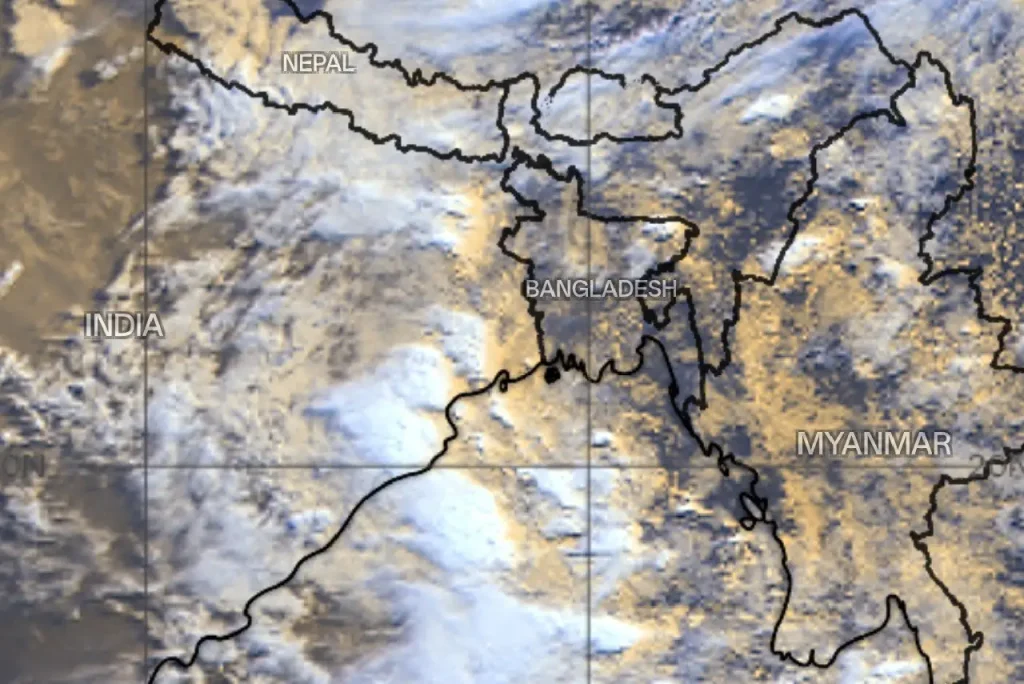
During monsoon, rivers flow in the forest and tides get unpredictable and heavy rain obscures the vision. This is also the time when cyclones are a real threat in the Bay of Bengal, and the Sundarbans have been hit badly many times in recent years by storms like Sidr, Aila, Amphan and Bulbul. Tourism permits will be suspended or severely limited by the Bangladesh Forest Department when cyclone warnings are in effect. Official permission to visit the Sundarbans is given only from October 1 to April 30. That should tell you something about the government’s view of the June-September window.
Sundarbans: Monsoon eco-tourism?
Yes, but it’s a niche. Monsoon is the time when the forest reveals its raw, unseen face to the experienced and adventurous traveller, but not to the first-timer or the family. If you wish to go still:
- You cannot undertake independent or unregistered trips, and each group must be accompanied by armed forest guards, so you will need to book with an operator licensed by the Bangladesh Forest Department.
- Before leaving Dhaka, Khulna or Mongla, please check the weather bulletin issued by the Bangladesh Meteorological Department.
- Steer clear of small wooden vessels. Go for bigger cruise ships with the proper safety gear and a watchman on at night.
- Keep your trip short, 1-2 days max, so you can cancel or get back quickly if a storm warning goes out.
- Bring your own money and mobile banking apps like bKash or Nagad, as many remote jetties and small vendors near Mongla do not accept cards.
Cost & Local Availability
Monsoon trips can be cheaper than winter trips as demand falls, but always check the price including forest entry fees, food and guide charges. A standard 2-night 3-day monsoon package can be cheaper than winter trips. For the most part, Bangladeshi citizens will pay less than foreign tourists. A lot of local operators now allow you to book and pay a deposit through bKash or Nagad, which is handy if you don’t have a credit card – common for students and first-time travellers.
Why Winter Reigns Supreme
If you’re after comfort and wildlife spotting, winter still wins. The most Sundarbans eco-tourism packages are preferred for the November to February season for clear skies, calmer rivers and better chances of tiger and bird sighting. Monsoon travel is best suited for experienced travellers looking for dramatic scenery, lush greenery and fewer crowds rather than families or first-timers.
FAQs
1. Is Monsoon Sundarbans Eco-Tourism Safe or Not?
It is more dangerous than in winter. Cyclone warnings can lead to short-notice suspensions, and river conditions can change rapidly, so it is for experienced travellers with licensed operators only.
2. Is the Forest Department permit available in monsoon season?
Permits are harder to come by and can be suspended during active warnings. Always check with your tour operator before booking any transport.
3. If you do not have a bank card, how can you pay for a monsoon tour?
Most operators take bKash or Nagad for deposits or even full payment, which is great for traveletravellersn’t have full banking access.
4. What can I actually see in Sundarbans in monsoon?
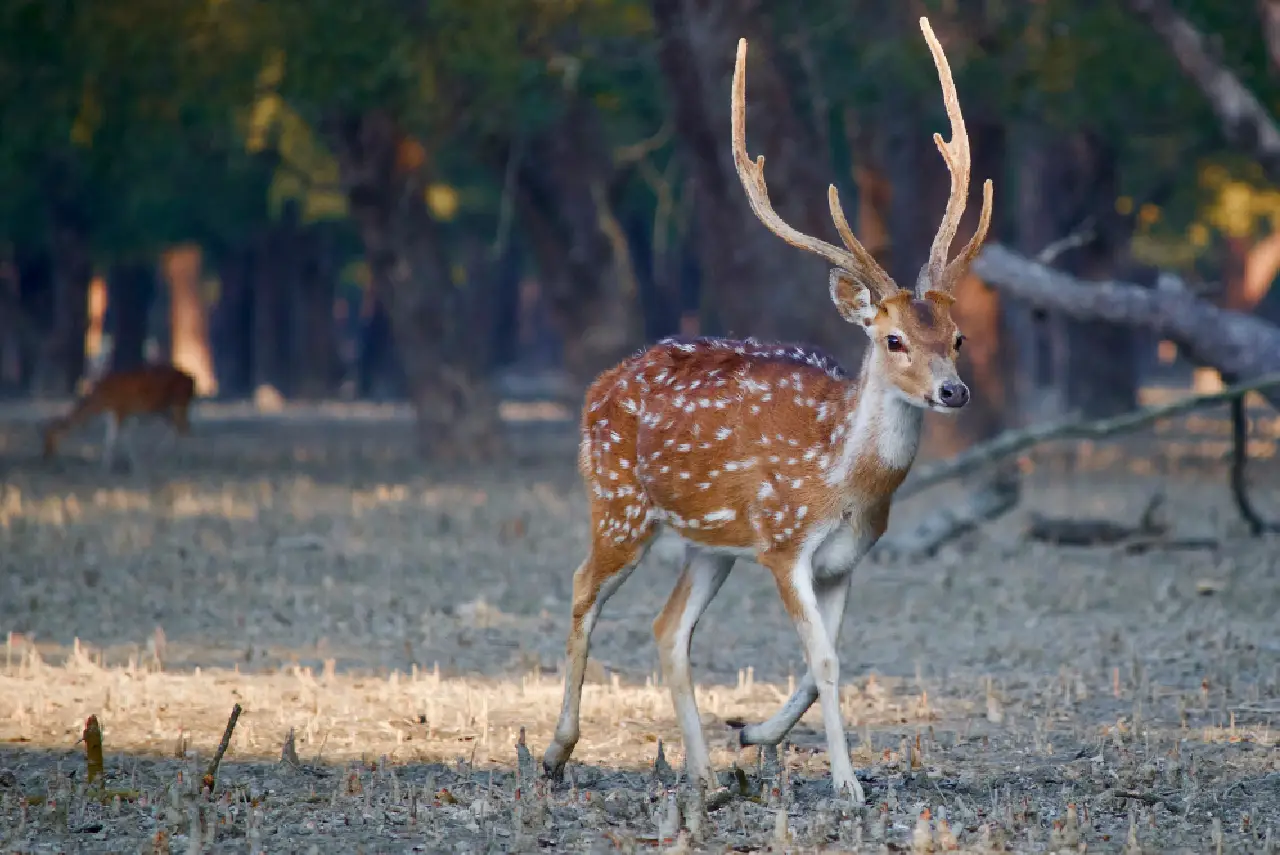
Expect lush foliage, sky drama and smaller crowds. There are very few tigers in any season, and monsoon also means lesser safari activity due to rain and restricted access to trails.
Summary
The Sundarbans is Bangladesh’s biggest natural pride, but monsoon travel there comes with real risks like rough rivers, cyclone alerts and permit restrictions. This guide explains what monsoon Sundarbans eco-tourism actually looks like, what it costs and how to decide if it’s the right season for your trip.