
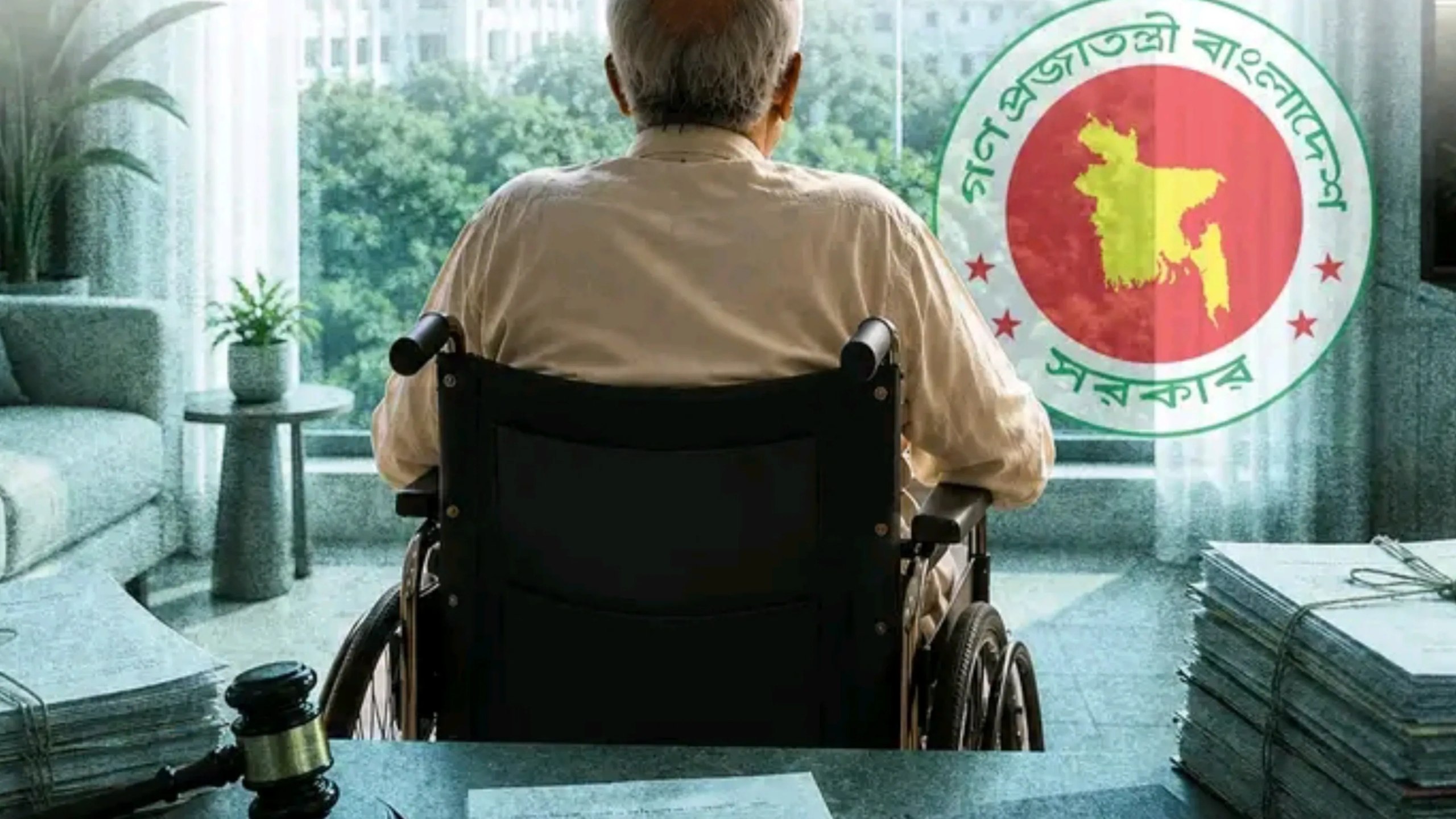
Bangladesh’s new property transfer law was billed as a solution to a mounting social anxiety: what happens when parents transfer their property to their children, but then lose control of their homes, or face neglect?
The Transfer of Property (Amendment) Bill, 2026, which was passed in Parliament on 6 September, provides a legal mechanism through which a donor can transfer ownership but retain the right to use and enjoy the property during his lifetime. The provision includes transfers between parents and children, grandparents and grandchildren, and spouses.
The government’s argument is that it’s mostly humanitarian. The reform is aimed at protecting parents who become vulnerable after transferring property to their children, said Law Minister Md Asaduzzaman.
But while the government sees a new layer of protection, Jamaat-e-Islami sees a potential clash with established Islamic tenets.
Why Jamaat-e-Islami opposes the law
The lawmakers of Jamaat-e-Islami have not necessarily disdained the goal of protecting old parents. Their main concern is the way in which protection is being created through property law.
The new mechanism could potentially overlap with Islamic rules governing hiba, a gift under Muslim law, as well as wasiyyah and inheritance, the party says. Jamaat leaders have called on Islamic scholars and the Islamic Foundation to review the legislation before it is implemented.
The party said Jamaat chief and opposition leader Shafiqur Rahman asked whether the state should introduce a property transfer mechanism that might go against the principles set under the Quran and Sunnah.
The dispute is thus not only about the technical wording of a property deed. At its heart lies a larger question: how should civil law deal with family property when it is governed by religious personal law?
The Key Legal Issue: Ownership (or, More Properly, the Right of Use and Enjoyment)
The controversy is mostly about a difference between ownership and a right to use property.
Under the new regime, the recipient may own the property, but the donor may have a lifetime right to use or enjoy the property. Thus, for example, a parent could transfer title to a house to a child but still legally retain the right to live in or use that property for the rest of the parent’s life.
Supporters see this as fixing a legal loophole. Parents can transfer assets to children without immediately losing their home security.
But Jamaat lawmakers have questioned if such an arrangement could blur the traditional concept of hiba. The question was asked in Parliament whether a transfer can properly be called a gift if the donor retains substantial rights over the property.
Government: Islamic Transfers Still Protected
The government has dismissed the argument that Islamic property laws trump the new law.
The new mechanism does not invalidate or restrict hiba or other forms of property transfer recognised under Muslim law, Law Minister Asaduzzaman said. The bill specifically provides that the new provision shall not affect the validity of transfers made under hiba or other relevant laws.
This is the crux of the government’s defence. The amendment is being pitched as an additional statutory option, rather than a replacement for existing, religiously recognised ways of transferring property.
But Jamaat is unconvinced and has called for a further review.
The Political Dimension
The dispute has also taken on a political dimension.
Jamaat lawmakers said the bill should not have been passed without wider consultation, including opinions from Islamic scholars. They offered amendments and sought scrutiny but were rebuffed before the bill was passed by voice vote.
The party then intensified its opposition outside Parliament. If the law is not withdrawn, the party will ramp up its movement, Jamaat Secretary General Mia Golam Porwar warned.
This turns the legislation into a question of narrow legal reform and a broader political debate over the place of Islamic principles in the law-making process of Bangladesh.
The Human Rights Question at the Heart of the Debate
But there’s another side to the controversy that should not be overlooked.
Supporters of the law point to cases in which elderly parents give property to their children and then are neglected, evicted or lose control of their homes. Independent MP Rumeen Farhana backed the bill but said more safeguards were needed, including a mechanism for neglected or abused donors to apply for cancellation through the courts.
She also proposed restrictions on the donee’s capacity to mortgage or alienate the property in the donor’s lifetime, without written consent.
The proposals are motivated by a practical problem: legal ownership is not always sufficient to protect vulnerable parents.
Discover More Stories Worth Your Time
Explore Why Dengue Cases Rising?
Discover what is driving Bangladesh’s latest dengue surge and the health concerns emerging nationwide.
See Why Rising Seas Threaten Dhaka?
Discover why the UN warns millions across Mumbai, Kolkata, and Dhaka face immediate coastal risks.
Find Why Trump Praised Tarique?
Explore what the US president’s letter says about the Boeing aircraft deal.
Learn How Adani Supply Returns?
Discover how Bangladesh’s payment settlement helped restore full electricity supply from the Godda plant.
Check How Sylhet Border Watch Improves?
Explore how the new facility strengthens Bangladesh’s border surveillance and drone capabilities.
What the Clash Really Shows
The Bangladesh property-law fracas is about more than inheritance.
It raises three conflicting concerns: Protecting elderly parents, preserving established religious principles and creating a workable modern legal framework for family property.
The government maintains that the law gives parents greater security without affecting existing Islamic forms of property transfer. Jamaat-e-Islami says the mechanism could open a way around religious rules and needs to be looked at more closely.
The debate goes on, but the real test will be how the new law actually works in practice. It could address a significant social problem if it indeed safeguards parents but does not undermine legally recognised religious property arrangements. But if disputes over hiba, inheritance and ownership grow, the legislation could be the start of a much wider debate over religion, personal law and the limits of state legislation in Bangladesh.
Summary:
Bangladesh’s Parliament has passed the Transfer of Property (Amendment) Bill, 2026, introducing a provision allowing parents, grandparents and spouses to retain lifetime rights to use and enjoy property after transferring ownership. The government says the reform is designed to protect elderly parents from losing access to their homes after transferring property to their children.