
Farmers across northern Bangladesh have spent recent weeks standing in queues since dawn, visiting shop after shop, and in some cases paying well above the government-fixed price just to secure enough fertiliser for the current Aman season. The government insists supply is sufficient. Dealers say they have stock. Yet on the ground, farmers describe an entirely different reality, one that experts are now calling a Bangladesh fertiliser crisis built on distribution failure rather than an actual supply crunch.
Farmers Left Waiting While Officials Deny A Crisis
In Bongram, Lalmonirhat, a 65-year-old farmer who needed 100 kilograms of Triple Super Phosphate for his eight bighas of Aman paddy visited six fertiliser shops and managed to secure only 45 kilograms, part of it at inflated prices above the government rate of Tk 27 per kilogram. In Kurigram’s Chilmari upazila, another farmer said he was receiving less than 20 per cent of the TSP his land required. Similar accounts have emerged from Jhenaidah and Rajshahi, where farmers say dealers routinely tell them fertiliser is simply unavailable.
A farmer from Paba in Rajshahi summed up the frustration many are feeling: he had the money in hand to buy fertiliser and still could not find any to purchase. In several districts, authorised dealers have reportedly capped sales at a single sack per farmer or refused to sell altogether, pushing farmers toward unauthorised sellers charging significantly more.
Where The Blame Is Landing
Government data shows reserves of key fertilisers have slipped below safe thresholds. TSP stock stood at 3.53 lakh tonnes against a required safety level of 4 lakh tonnes, while Muriate of Potash stock of 1.96 lakh tonnes also missed its 3 lakh tonne threshold. The agriculture ministry had not yet issued the procurement circular needed to open letters of credit for TSP, DAP, and MOP imports, and since shipping typically takes two to three months, new stock was not expected to arrive until October or November, well after the immediate need.
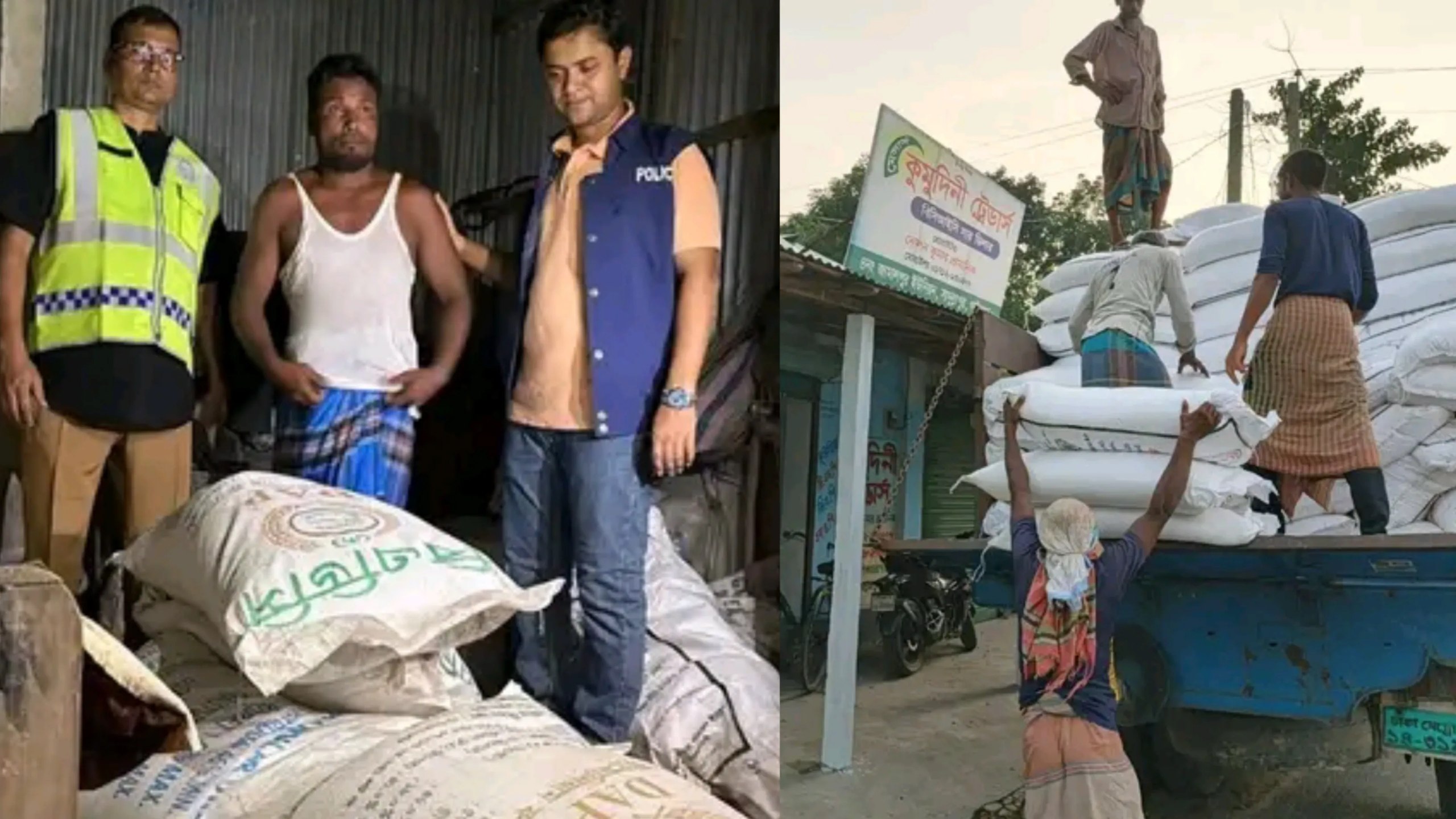
Agricultural economist Jahangir Alam Khan described the immediate problem as one of distribution rather than an actual supply crunch, and called for the government to address management failures immediately while also reducing the country’s heavy dependence on imported fertiliser. Reports have also pointed to government-appointed dealers withholding officially allocated stock or routing it through retail agents who overcharge farmers, apparently to maximise profits through illicit commissions. The agriculture ministry has already suspended five dealership licences and fined roughly 25 more dealers in response.
A Market Vulnerable From Multiple Directions
Bangladesh’s fertiliser market carries structural risk well beyond any single season. The country is projected to need 58 lakh tonnes of chemical fertiliser in fiscal 2026-27, and domestic production remains constrained by ongoing gas shortages that have forced plants offline. That leaves the market heavily exposed to disruptions abroad, including the prolonged US-Iran conflict and Chinese export restrictions, both of which threaten fertiliser and gas supplies from major sourcing regions.
District officials have offered a competing explanation, attributing some of the pressure to farmers purchasing fertiliser in advance for maize and potato cultivation, sometimes in quantities exceeding recommended amounts, out of fear that a shortage was already underway. Whether driven by hoarding at the dealer level, panic buying at the farm level, or a genuine reserve shortfall, the effect on the ground has been the same: fertiliser that should be reaching fields at a fixed price is instead becoming scarce, expensive, or both.
Discover More Stories Worth Your Time
Explore Why Dengue Cases Rising?
Discover what is driving Bangladesh’s latest dengue surge and the health concerns emerging nationwide.
See Why Rising Seas Threaten Dhaka?
Discover why the UN warns millions across Mumbai, Kolkata, and Dhaka face immediate coastal risks.
Find Why Trump Praised Tarique?
Explore what the US president’s letter says about the Boeing aircraft deal.
Learn How Adani Supply Returns?
Discover how Bangladesh’s payment settlement helped restore full electricity supply from the Godda plant.
Check How Sylhet Border Watch Improves?
Explore how the new facility strengthens Bangladesh’s border surveillance and drone capabilities.
When Frustration Turns To Protest
The disconnect between official assurances and what farmers are experiencing has already boiled over. In Kurigram and Lalmonirhat, farmers blocked roads in separate protests, and in Roumari, a group broke into a dealer’s warehouse and took fertiliser directly after waiting for hours with no resolution. In Bhurungamari, a crowd blocked the main access route to a land port after being told no fertiliser would be issued that day, and stock was only distributed once police and Border Guard Bangladesh personnel intervened.
What Needs To Change
Researchers and economists tracking the Bangladesh fertiliser crisis argue that crackdowns on individual dealers, while a welcome first step, will not fix a structural problem. Recommendations include ensuring allocated supplies reach both dealers and farmers in full, improving oversight of the distribution chain, and securing alternative import sources well ahead of peak planting seasons rather than reacting once shortages are already visible. Without those changes, experts warn, the same pattern of stockouts, inflated prices, and farmer unrest is likely to repeat each planting season, regardless of how much fertiliser Bangladesh actually holds in reserve.