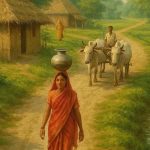
For Bengalis, Mahalaya is more than a religious occasion. It is the emotional beginning of Durga Puja, bringing memories, music and anticipation into homes across West Bengal and beyond.
Observed on October 10 in 2026, Mahalaya marks the transition from Pitru Paksha to Devi Paksha in the traditional Hindu calendar. While Pitru Paksha is associated with remembering ancestors, Devi Paksha celebrates the divine feminine and leads towards the worship of Goddess Durga.
Long before the streets of Kolkata fill with illuminated pandals, Mahalaya awakens the festive spirit through devotional music, Sanskrit chants and the familiar voice of Birendra Krishna Bhadra.
Mahishasuramardini: The Hymns That Awaken Bengal
One of the most enduring Mahalaya traditions is listening to Mahishasuramardini, the celebrated radio programme associated with Akashvani. Its powerful combination of Sanskrit verses, devotional songs and dramatic narration has connected generations of Bengali listeners.
The programme recounts the story of Goddess Durga’s battle against Mahishasura, the shape-shifting demon whose defeat represents the triumph of good over evil. The chants praise the Goddess’s courage, strength and divine power.
For many families, listening to Mahishasuramardini before sunrise is an annual ritual. Even as entertainment habits change, the broadcast remains an important part of Bengal’s cultural memory.
Agomoni Songs: Welcoming Uma Home
While Sanskrit hymns portray Durga as a powerful warrior, Agomoni songs celebrate her as Uma, the daughter returning to her parental home.
According to Bengali tradition, Goddess Durga visits her earthly home during the autumn festival, accompanied by her children. Agomoni songs express the joy of her arrival, the affection of her family and the sadness associated with her eventual departure.
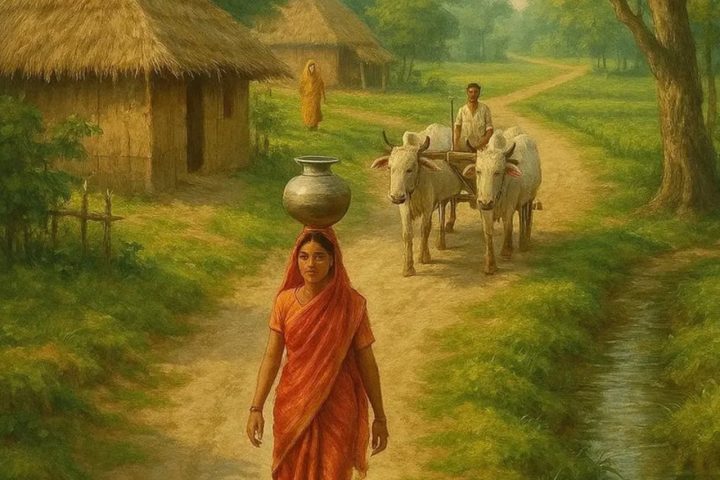
Their melodies often reflect the emotions of ordinary Bengali households. The Goddess becomes not only a divine figure but also a daughter whose homecoming brings happiness and togetherness.
Goddess Durga: Both Warrior and Daughter
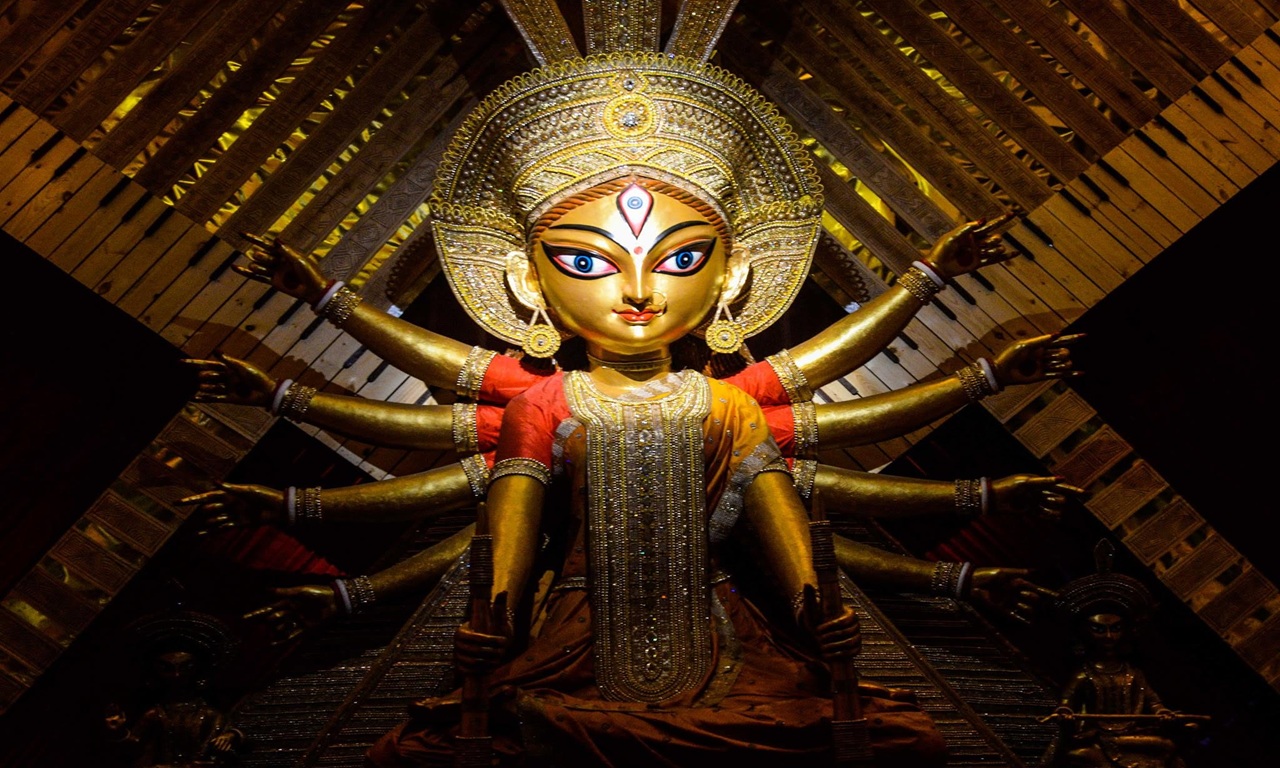
This dual identity gives Durga Puja its distinctive emotional depth. As Mahishasuramardini, Durga represents courage, justice and the victory of good over evil. As Uma, she represents family bonds, affection and the warmth of returning home.
These two images coexist throughout Bengal’s artistic and cultural traditions. The elaborate idols, devotional songs, traditional artwork and family gatherings reflect both the Goddess’s extraordinary power and her familiar human emotions.
Why Mahalaya Remains Relevant Today
Mahalaya continues to connect younger generations with Bengal’s cultural heritage. Families now listen to traditional broadcasts online, share Agomoni songs on social media and revisit recordings that have become part of their childhood memories.
Yet the central emotions remain unchanged. Mahalaya brings together faith, music, family and cultural identity, preparing Bengalis for the days of celebration ahead.
Through ancient hymns and timeless melodies, Mahalaya reminds Bengal that Goddess Durga is both the fearless warrior who defeats evil and the beloved daughter whose return makes a home complete.