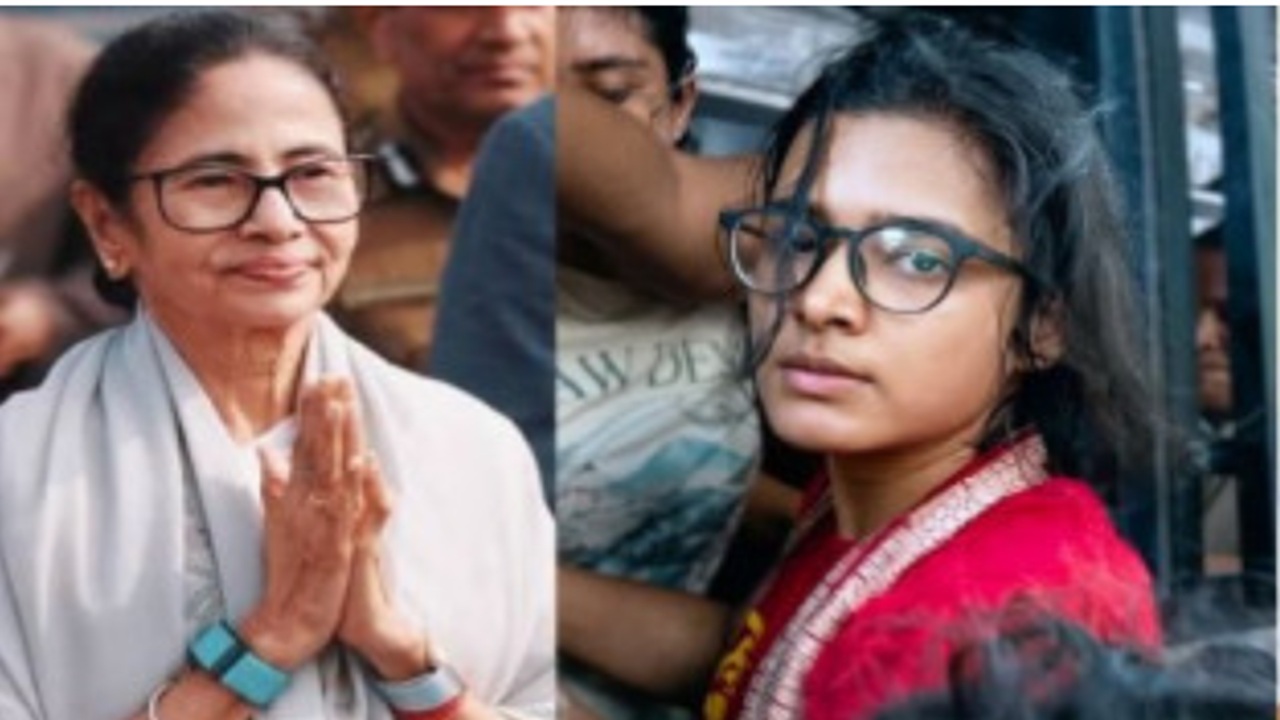
India on Sunday rejected concerns raised by the Office of the UN High Commissioner for Human Rights (OHCHR) about the detentions made during the Cockroach Janta Party (CJP) protest in Delhi. The MEA said the remarks were misplaced and amounted to interference in the country’s internal affairs.
What the UN Office Said
OHCHR spokesperson Thameen Al-Kheetan expressed concern about the detention of demonstrators, protest leaders, civil society members, lawyers and journalists before and during the protests. He urged authorities to respect the right to assembly and to release anyone arbitrarily detained “immediately and unconditionally.” The statement also said restrictions on peaceful protest must meet strict tests of necessity and proportionality.
India’s Response
The MEA said India’s Constitution guarantees the right to peaceful assembly, supported by an independent judiciary and a free media. It said the right is subject to reasonable restrictions in the interest of public order, and that courts can redress grievances.
“Unwarranted interference in the internal affairs of India.”
The Double Standards Charge
The ministry accused OHCHR of selective commentary, saying it stayed silent on violent crackdowns on demonstrations in India’s neighbourhood and on policing near its own base. It added that such double standards erode the body’s credibility and weaken faith in multilateralism.
Background of the Protest
The CJP and student groups demanded the removal of Chief Election Commissioner Gyanesh Kumar over changes to electoral rolls. Critics say the revision favours the BJP, which the BJP and the Election Commission deny. Delhi was under heavy security on Saturday, with Section 163 in force and thousands of police deployed.
Not the First Clash
India has rejected OHCHR statements before, including on Jammu and Kashmir, and has often called them biased.
Why It Matters
The exchange takes a domestic protest issue to the international stage, and the debate over proportionality is likely to continue in courts and Parliament.