
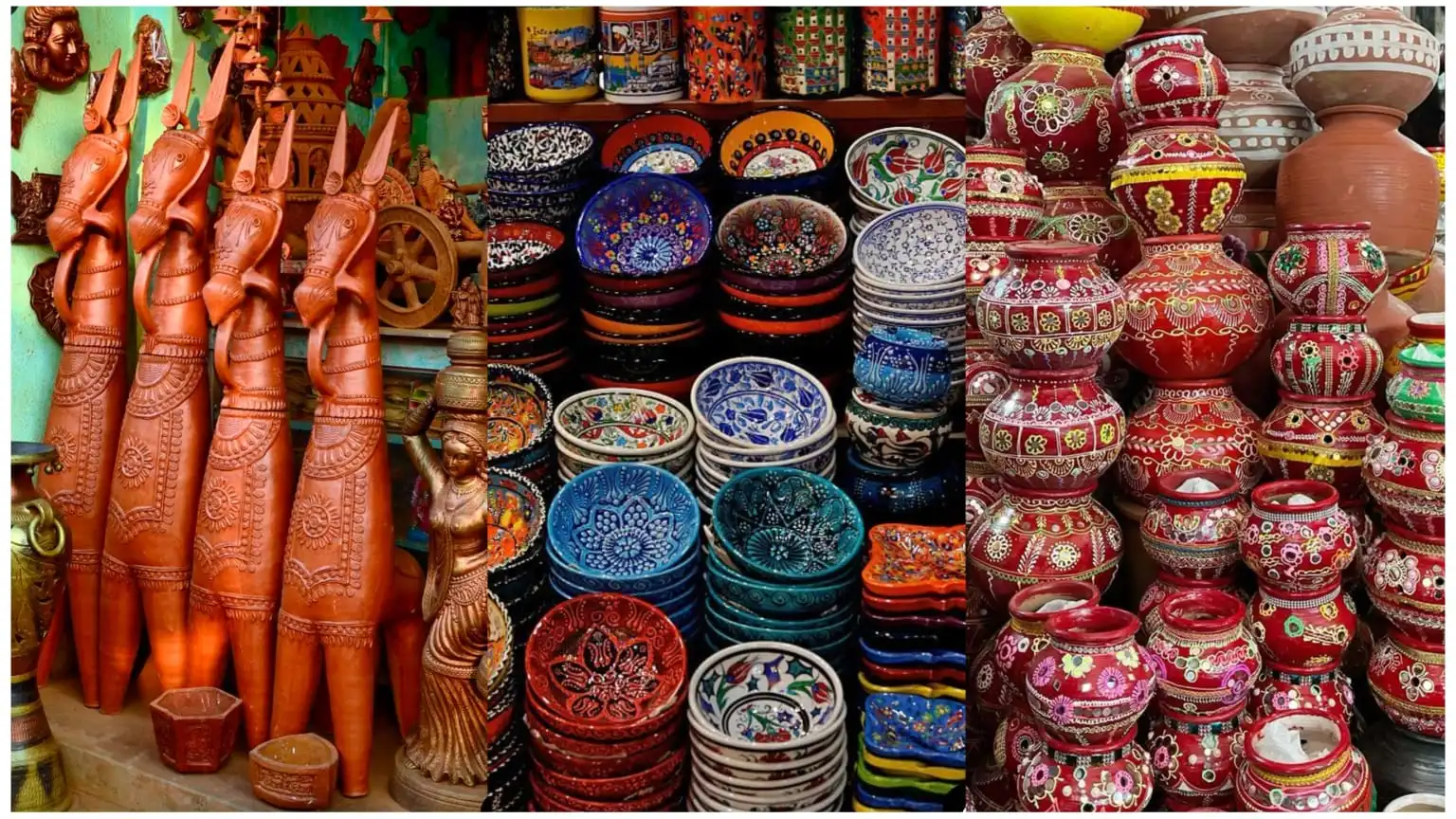
Almost every Bangladeshi home has a story stitched, woven or carved into something. Traditional Bangladeshi handicrafts carry centuries of village skill, handed down from parents to children. Travellers and collectors around the world now seek them out. Here are ten crafts to know, and a quick note on where to buy them.
10 Traditional Bangladeshi Handicrafts Worth Knowing
Fabrics and Textiles
- Nakshi Kantha: Quilts made from old saris, embroidered by hand with flowers, birds and village scenes.
- Jamdani: A fine woven muslin, recognised by UNESCO, known for its floating motifs.
- Rajshahi Silk: Soft, light silk from northern Bangladesh, ideal for scarves and sarees.
- Jute Products: Bags, mats and wall hangings made from the “golden fibre.”
Crafts ftrom Nature
- Shital Pati: A cool woven mat that families traditionally use in hot weather.
- Cane and Bamboo Work: Strong but light baskets, chairs and lampshades.
- Terracotta: Clay pots, toys and plaques, shaped by hand and fired in kilns.
Metal and Folk Art
- Dhamrai Brassware: Statues and utensils cast by families who have worked the metal for generations.
- Rickshaw Art: Bright, hand-painted panels now sold as posters, trays and bags.
- Nakshi Pakha: Embroidered hand fans, a charming and affordable gift.
Where to Buy Them
Start with Aarong, which has outlets across the country and works directly with artisans. In Dhaka, New Market is good for variety and bargaining. Many small sellers also take orders on Facebook and accept bKash or Nagad.
Discover Folk Culture With Bangla Pulse
1. Where are Baul festivals celebrated in Bangladesh during winter?
Baul festivals are celebrated in different parts of Bangladesh, including Kushtia and Sylhet, where folk music, spiritual traditions and cultural gatherings bring communities together. Read more about Baul festivals in Kushtia and Sylhet during winter.
2. Why is Kushtia famous for Baul music?
Kushtia is closely associated with Baul traditions and the legacy of Lalon Shah, whose songs explore humanity, spirituality and the search for truth. Discover more about Baul festivals in Kushtia and Sylhet during winter.
3. What can visitors experience at a Baul festival in Bangladesh?
Visitors can experience live folk performances, traditional instruments, spiritual songs and gatherings that celebrate Bengal’s musical heritage. Explore our guide to winter Baul festivals in Kushtia and Sylhet.
4. Why are Baul songs important to Bengali culture?
Baul songs express ideas about humanity, love, spirituality and inner freedom. Their distinctive musical style and philosophical themes have made them an important part of Bengal’s cultural heritage. Learn more about Baul festivals in Kushtia and Sylhet.
5. Is winter a good time to explore Baul culture in Bangladesh?
Winter can be a rewarding time to explore Baul culture, as cultural gatherings and folk music events may take place in different regions. Visitors should check local festival dates before travelling. Read our guide to Baul festivals in Kushtia and Sylhet during winter.