
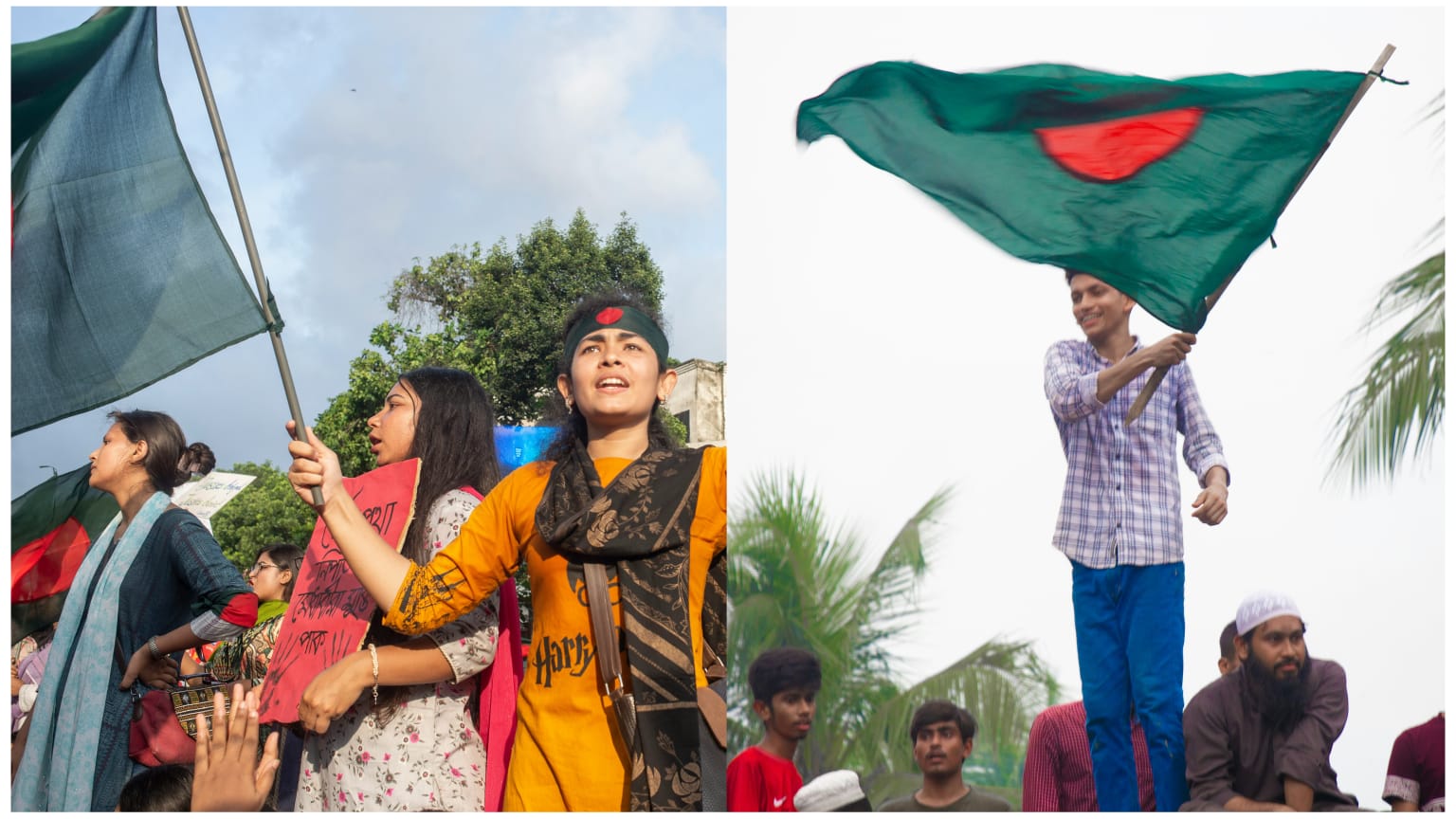
In February 1952, students in Dhaka marched to show their support for the Mother Tongue. The Language Movement began as a peaceful protest for recognition of Bengali as one of the state languages of Pakistan. However, the movement resulted in violence and many martyrs. As language is such a significant part of our lives; holding memories, pride and identity we look back on this every year on International Mother Language Day.
How A Language Issue Turned Into A Movement
Following the partition in 1947, Pakistan was split into two wings, over a thousand miles apart. The majority of the population in the East spoke Bengali. However, in 1948 leaders announced that Urdu would be the only state language.
This caused great concern to everyday families. If schools, tests and government jobs are biased towards Urdu it will leave those who don’t speak the language at a disadvantage. The protests grew gradually throughout the early 1950s.
Despite authorities banning any public meetings on the 21st February 1952, students from the University of Dhaka marched. Police fired shots and many students were killed including Abul Barkat, Rafiquddin Ahmed, Abdul Jabbar and Abdus Salam. This sparked anger across the province and ultimately led to Bengali being recognised as an official language in 1956. This same fighting spirit would go on to inspire the independence movement which formed Bangladesh in 1971.
Why The 1952 Language Movement Matters
There is now a national monument in Dhaka called the Shaheed Minar for the young men. Many people walk to the monument each February at dawn, often barefoot with flowers. In 1999 UNESCO declared the 21st February as International Mother Language Day. Since 2000 it has been celebrated globally.
This message is important to people all over the world. Linguists warn us that a large portion of the world’s 7000 languages are at risk of dying out. When languages die, stories, songs and local knowledge are all lost. Children learn better when they are learning in their mother tongue. By protecting the mother tongues we can help education.
Be proud to speak your mother tongue and pass it down to the next generation. Remember that the 1952 Language Movement showed the world that you should fight for your language.
Discover Farmer Card, Agricultural Loans and Emergency Support in Bangladesh
1. How can the Farmer Card help farmers in Bangladesh?
The Farmer Card could help farmers access agricultural support, improve transparency in benefit distribution and reduce difficulties in obtaining farming inputs and financial assistance. Learn more about how the Farmer Card could support smart farming and fair prices.
2. What is the interest rate on agricultural loans for marginal farmers in Bangladesh?
Bangladesh Bank has capped interest rates on specified agricultural loans for marginal farmers at 7 per cent, according to the reported policy. Farmers should check the applicable eligibility criteria and loan conditions with their banks. Read more about Bangladesh Bank’s 7 per cent cap on farm loans for marginal farmers.
3. Can farmers in Bangladesh receive emergency loans after heavy rainfall damages their crops?
Emergency agricultural loans may provide financial support to eligible farmers affected by heavy rainfall and crop losses. Availability depends on the relevant scheme, eligibility requirements and lending institution. Learn more about emergency loans for rain-hit farmers.
4. How can affordable agricultural loans benefit small and marginal farmers?
Affordable loans can help small and marginal farmers purchase seeds, fertilisers and other farming inputs without taking on excessive borrowing costs. Access to suitable credit can also help farmers manage seasonal expenses. Explore Bangladesh Bank’s agricultural loan interest-rate cap for marginal farmers.
5. How can the Farmer Card improve agricultural pricing and farmers’ incomes?
A well-designed Farmer Card system could improve access to government support, strengthen farmers’ access to agricultural services and promote greater transparency in the farming supply chain. Its impact on income and pricing would depend on implementation and market conditions. Read more about the Farmer Card, smart farming and fair agricultural prices