

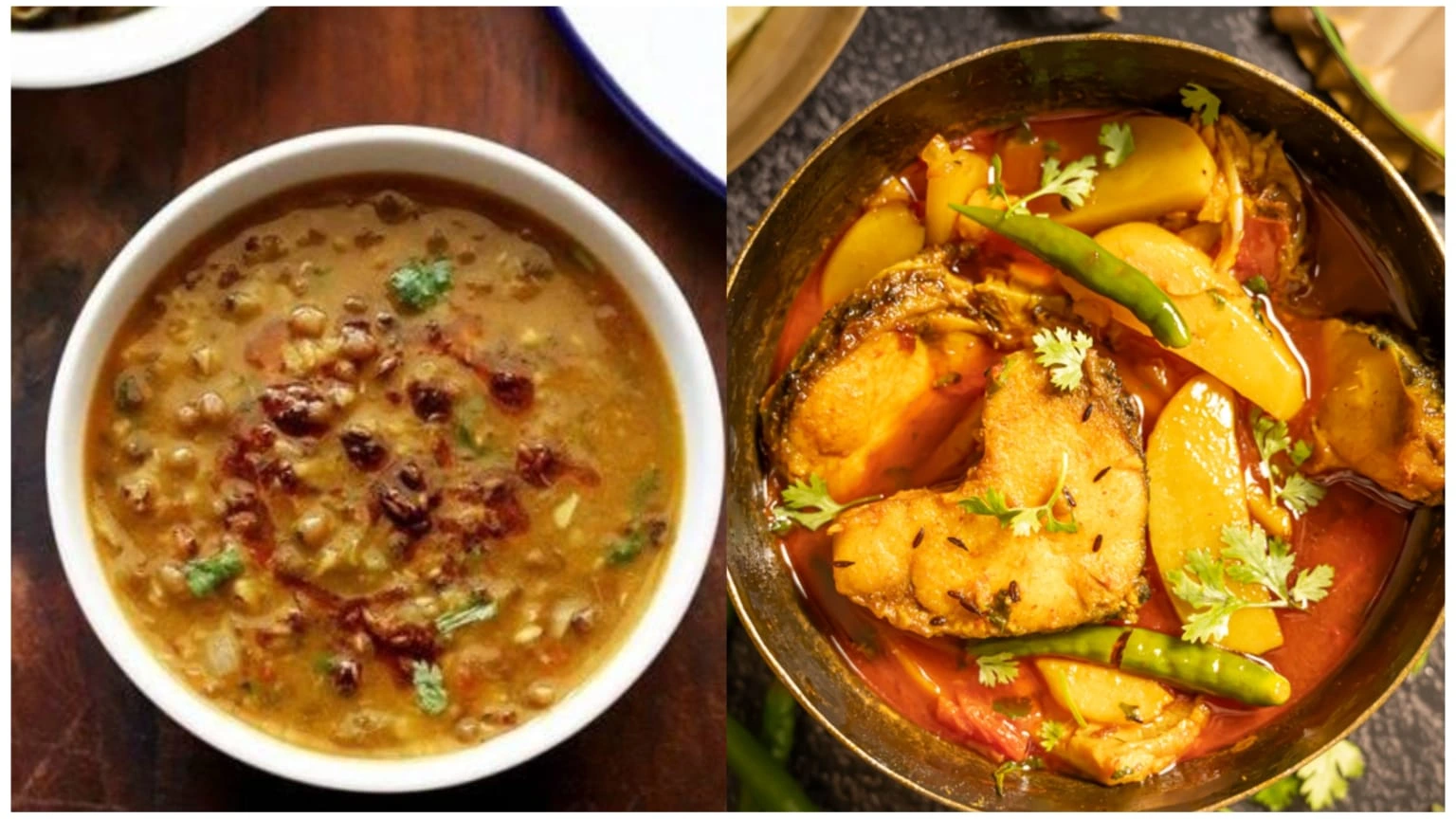
Inflammation is not always a bad thing. When you cut your finger or catch a cold, your body uses inflammation to heal and protect you. The problem begins when this response stays switched on for months or years. Doctors call it chronic low-grade inflammation, and it is linked to heart disease, type 2 diabetes, arthritis and other long-term health problems. The good news is that what you eat every day can help calm it, and you do not need expensive imported foods to do it.
What Is an Anti-Inflammatory Diet?
An anti-inflammatory diet is not a crash plan or a short detox. It is a steady way of eating built around whole, fresh and lightly processed foods. The Mediterranean diet is the most studied example, but the same principles fit very well with traditional Bangladeshi meals: plenty of vegetables, fish, pulses and spices, with less sugar and fried food.
Does It Really “Reboot” Your Immune System?
Not exactly. No food or diet can reset your immune system overnight. What a balanced diet can do is give your immune cells the nutrients they need and reduce the daily triggers that keep inflammation running. Think of it as steady support, not a quick fix.
Bangladeshi Foods That Help Calm Inflammation
Fish
Ilish (hilsa) is rich in omega-3 fats, which are linked to lower inflammation markers. Rui, katla, pabda and koi are also good choices. Small fish like mola and dhela are eaten whole and add calcium and vitamin A.
Shak and Vegetables
Pui shak, lal shak, palong shak and kolmi shak are full of antioxidants, fibre and vitamins. Add korola (bitter gourd), lau (bottle gourd), potol (pointed gourd), begun (brinjal), mishti kumra (sweet pumpkin) and sajna (drumstick) to your weekly meals.
Dal and Pulses
Masoor, moong and chola (chickpeas) are high in fibre and plant protein. They feed the good bacteria in your gut, which plays a big role in immune health.
Spices
Holud (turmeric), ada (ginger), roshun (garlic), kalo jira (black seed), jira (cumin) and methi (fenugreek) are used in almost every Bangladeshi kitchen. Turmeric and ginger have been studied for their anti-inflammatory effects, although more human research is still needed.
Fruits
Amloki (Indian gooseberry), peyara (guava), jamun, boroi (jujube), jambura (pomelo), pepe (papaya) and lemon are rich in vitamin C and antioxidants.
Healthy Drinks
Plain doi (yogurt), green tea, ginger tea, lemon water and daab (green coconut water) are better choices than sugary soft drinks and packaged juices.
Foods to Limit
Some popular foods can push the body towards more inflammation when eaten often. These include:
- Deep-fried snacks such as singara, piyaju, beguni and chop
- Very sweet items like rosogolla, jalebi and packaged sugary drinks
- Oil-heavy biryani, tehari and rich kormas eaten every day
- Large amounts of very salty dried fish (shutki)
- Processed meats and ultra-processed packaged snacks
- Large portions of white rice, which can be balanced by adding more vegetables and dal or mixing in red rice (lal chal)
The Gut Connection
A large part of your immune system lives in your gut. Fibre from shak, vegetables, pulses and whole grains feeds helpful gut bacteria. These bacteria make compounds that help keep inflammation under control. Plain doi and other fermented foods may add to this benefit.
A Simple Bangladeshi Meal Plan for One Day
- Breakfast: Vegetable bhaji with one or two whole wheat ruti, or oats with chopped guava
- Lunch: Red rice, masoor dal, pui shak bhaji and a small piece of ilish or rui in a light holud and jira gravy
- Snack: Roasted chola or a fruit such as peyara or jamun
- Dinner: Lau or potol curry with koi or pabda fish, and a salad of cucumber, tomato and lemon
Cooking Tips That Make a Difference
Steam, bake or lightly pan-cook fish instead of deep-frying it. Use mustard oil or olive oil in small amounts, and avoid reusing oil many times. Add ginger, garlic and turmeric to most gravies, and keep salt and sugar low.
Lifestyle Habits That Work With Diet
Food is only one part of the picture. Good sleep, regular walking or exercise, stress management and staying away from smoking and tobacco (including jorda and shada pata) all help lower inflammation. Together with a better diet, these habits make a bigger difference than any single change.
Final Thoughts
An anti-inflammatory diet will not cure illness, but it can support a healthier immune response over time. Start small by adding one shak dish to your week, swapping one fried snack for roasted chola, and choosing fish more often. If you have a medical condition, allergies or take regular medicines, speak with your doctor or a registered dietitian before making big changes.
Discover More Recipes with Bangla Pulse
1. What are some healthy comfort foods to enjoy during the monsoon in Bangladesh?
Healthy monsoon comfort foods include warm soups, khichuri, seasonal vegetables and light homemade meals. Choosing fresh ingredients and balanced portions can make rainy-day meals both nutritious and satisfying. Explore our guide to healthy monsoon comfort food recipes.
2. What are the best light meals to eat during summer in Bangladesh?
Light meals such as fresh salads, yoghurt-based dishes, seasonal fruits, vegetables and lightly cooked meals can help keep the body refreshed during hot weather. Discover more ideas in our guide to light and cool meals that revitalise your body in summer.
3. What is Beef Kala Bhuna, and why is it popular in Bangladesh?
Beef Kala Bhuna is a traditional Bangladeshi meat dish known for its dark colour, rich spices and slow-cooked flavour. It is particularly associated with Chattogram’s culinary heritage and is popular at family gatherings and festive occasions. Read our ultimate guide to Beef Kala Bhuna.
4. How can people prepare healthy comfort food during the rainy season?
People can prepare healthier rainy-season meals by using fresh vegetables, lentils, seasonal ingredients and moderate amounts of oil and spices. Homemade soups and balanced rice-based dishes are also satisfying options. Find inspiration in our collection of healthy monsoon comfort food recipes.
5. How can traditional Beef Kala Bhuna be made tender and flavourful?
Slow cooking, proper marination and a balanced blend of traditional spices help develop Beef Kala Bhuna’s signature dark colour and rich flavour. Cooking the meat patiently allows the spices to blend with the gravy. Learn the preparation techniques in our ultimate Beef Kala Bhuna guide.