
As the temperature falls and the skin becomes dry, most people tend to use products that are thick, like creams. While Ayurveda recommends another practice called Abhyanga, meaning warm oil massage, it is slowly attracting people who want to make it part of their winter rituals. However, it is of utmost importance to distinguish tradition from science.
What Is Abhyanga?
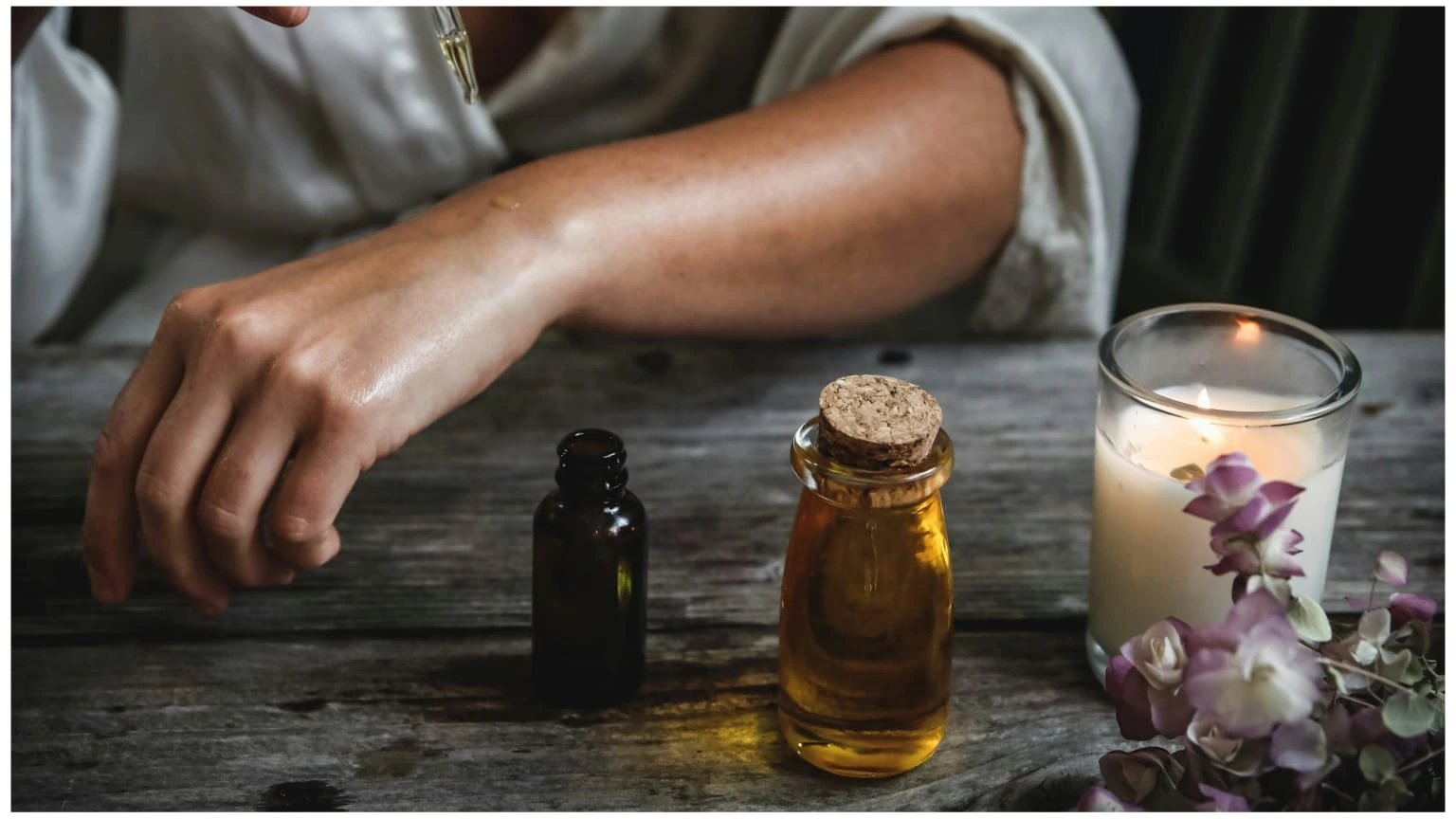
Abhyanga is a method where one pours warm oil over the body with the help of a therapist or by themselves. During a regular massage, oil serves as a means to minimise friction, while in the abhyanga process, oil is the central element. Ayurveda links it to relaxing vata dosha, which is represented by dry, cool and windy characteristics and is believed to be manifested in a particular period of time, namely early fall and early winter.
Why Is Winter a Preferable Time?
According to ancient masters, the early winter period is the time when dry skin, overactivity, and problems with sleep occur. Sesame oil is the most commonly approved oil for use in winter because it is believed to be warming.
How to Do It at Home
It is important to use cold-pressed sesame oil; avoid toasted sesame oil. Warm a small bottle of sesame oil by soaking it in hot water.
It is safer to carry out this massage while sitting with a thick towel on either a stool or the floor. Use upward strokes on the legs and the arms, as well as circular motion on the joints. You will massage for about 15 to 20 minutes, but even if you manage to do it for just a few minutes, it is enough. Rest for a couple of minutes, and then enjoy a hot shower.
Is there any credible evidence to support the effectiveness of abhyanga?
Not really. The evidence supporting this practice is very limited. One small pilot study conducted in 2011 involving 20 healthy adults demonstrated that abhyanga may reduce the level of stress. Dr Andrew Weil is aware of no evidence that massage helps the body remove toxins. Information about the skin benefits of this practice is also scarce; therefore, abhyanga cannot be regarded as a scientific method.
Who Should Be Careful
You should think about consulting a medical specialist before attempting self-massage if you are either expecting or are infected with any skin disease or have any open bone fracture or a severe ailment.
Patients with a sesame intolerance must avoid using sesame oil. Make sure to conduct a patch test of any new skin product before applying it widely, and if there is any rash or irritation, discontinue using it.
Discover More Stories Worth Your Time
Looking for a Family Trip Before Eid?
Discover five budget-friendly weekend getaways near Dhaka for a relaxing holiday.
What Are the Top Eid Fashion Trends This Year?
Explore the latest outfit styles and fashion ideas to upgrade your Eid look.
Who Are Bangladesh’s Richest Cricketers?
See the top five stars, their estimated net worth, and successful business ventures.
Is Your Electricity Meter Overcharging You?
Learn the warning signs of a faulty meter and how to report billing issues.
How Can You Get the Tk 10 Lakh Student Loan?
Find out the eligibility, application process, and benefits of the government education loan scheme.