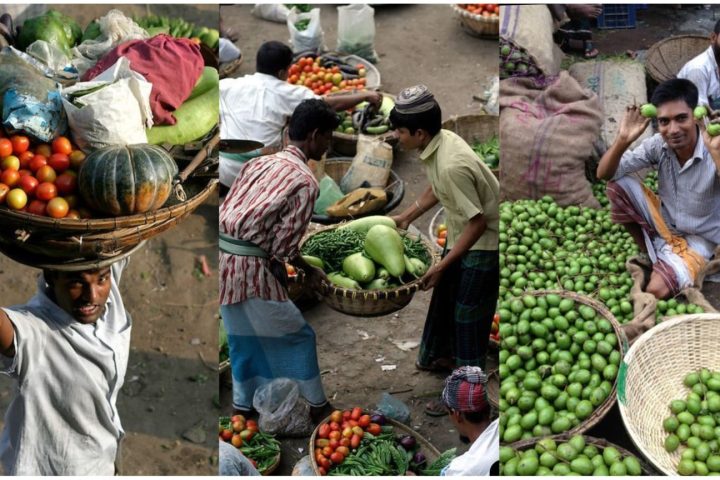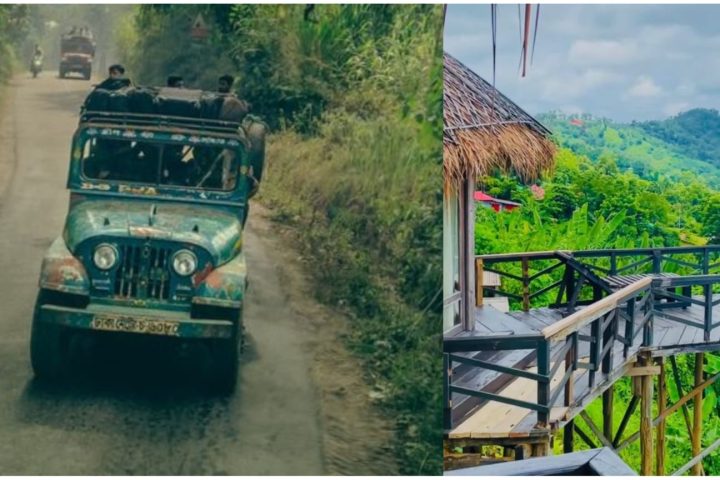

Dhaka seldom feels like a village, but there are moments throughout the year when rural Bengal quietly re-emerges in the capital. Most residents aren’t aware of the city’s authentic cultural experiences, which range from centuries-old fairs to modern hotel recreations of Gram Bangla life, available to those willing to go beyond the typical restaurant scene.
Boishakhi Mela and the Bangla Academy Tradition
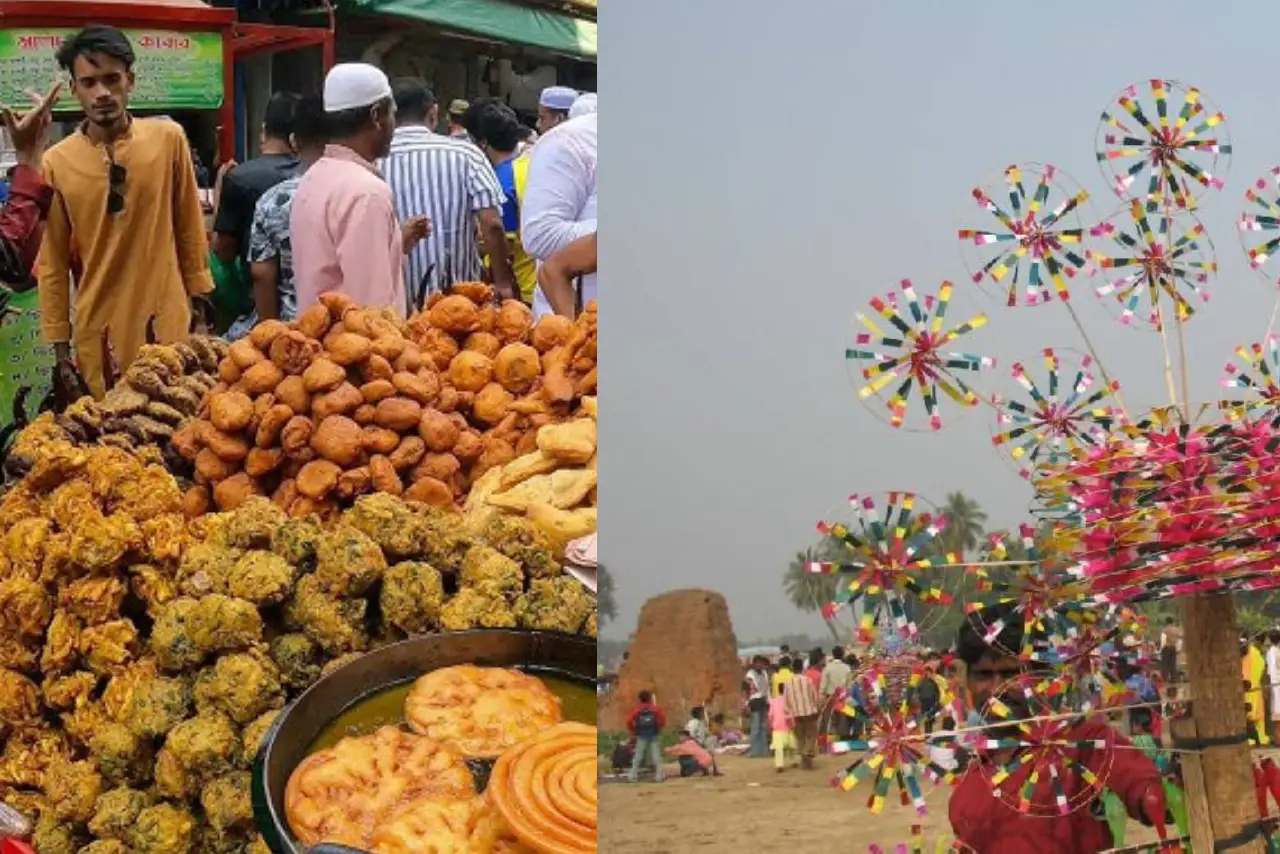
Boishakhi Mela, the most iconic of Dhaka’s village style fairs, has its roots in the tax collection traditions of the Mughal era, and is now associated with Pohela Boishakh, the Bengali New Year in mid April. Every year the fairs around Bangla Academy and Ramna Park attract people with terracotta toys, glass bangles, handicrafts and stalls selling nostalgic treats like roshgolla, candy floss and seasonal fruits sprinkled with chilli salt. The largest of these gatherings happen around Pohela Boishakh, but smaller neighbourhood festivals that capture the same spirit can be found throughout the year at district-level festivals and cultural events all over the city.
Indigenous and Community Fairs
In addition to mainstream Boishakhi celebrations, Dhaka is home to smaller community-specific melas that offer a different lens into Bangladesh’s cultural diversity. One example is the Biju Mela at the Shakyamuni Buddhist Temple in Mirpur, which brings hill tract traditions to the city; this includes indigenous foods such as binni chal sticky rice, jhum-grown fruits, and dishes made from dried shimul flower, as well as traditional music and dance. These events are smaller and less well-publicised than the big citywide fairs, so they feel more intimate and truly tied to the communities that hold them.
Gram Bangla Food Festivals Organised by Hotels
If you want to experience the flavours of rural Bengal without having to chase a seasonal fair, several hotels in Dhaka now offer dedicated food festivals that recreate the Gram Bangla experience. Recent examples include buffet-style celebrations with fresh hilsa, an extensive bhorta and achar station, street food favourites like fuchka, chotpoti and jhalmuri, along with traditional drinks like aam panna, lassi, ghol and beler shorbot. The festivals usually last a couple of days, combining live music with a countryside vibe, so they are an easy option for families after a full-on village life experience without leaving the city.
Traditional Pitha and Street Food Stalls
And no look at the Bangla food culture in Dhaka would be complete without a hunt for pitha, the traditional rice cakes that sit at the heart of rural celebrations. Live pitha stations featuring chitoi, bhapa, and teler pitha frequently appear at both seasonal melas and hotel festivals, offering a rare taste of a dish more commonly associated with village winters than city life. In the university areas and the older parts of town, you can still find street corners serving everyday classics like jhalmuri and chotpoti, made in the same style as at the rural fairs.
Conclusion
The real rural culture has not been wiped out from Dhaka. It has just been shifted to the pockets of the city that are exposed around certain seasons and celebrations. You can taste the flavours and experience the traditions of village Bengal at a centuries-old fair at Bangla Academy or a community festival in Mirpur, or even at a hotel where they recreate the Gram Bangla setting.
Summary:
Despite its fast-paced city life, Dhaka still holds onto rural Bengal through seasonal village melas, cultural fairs, and hotel-hosted Gram Bangla food festivals, offering residents a taste of tradition without leaving the capital.