
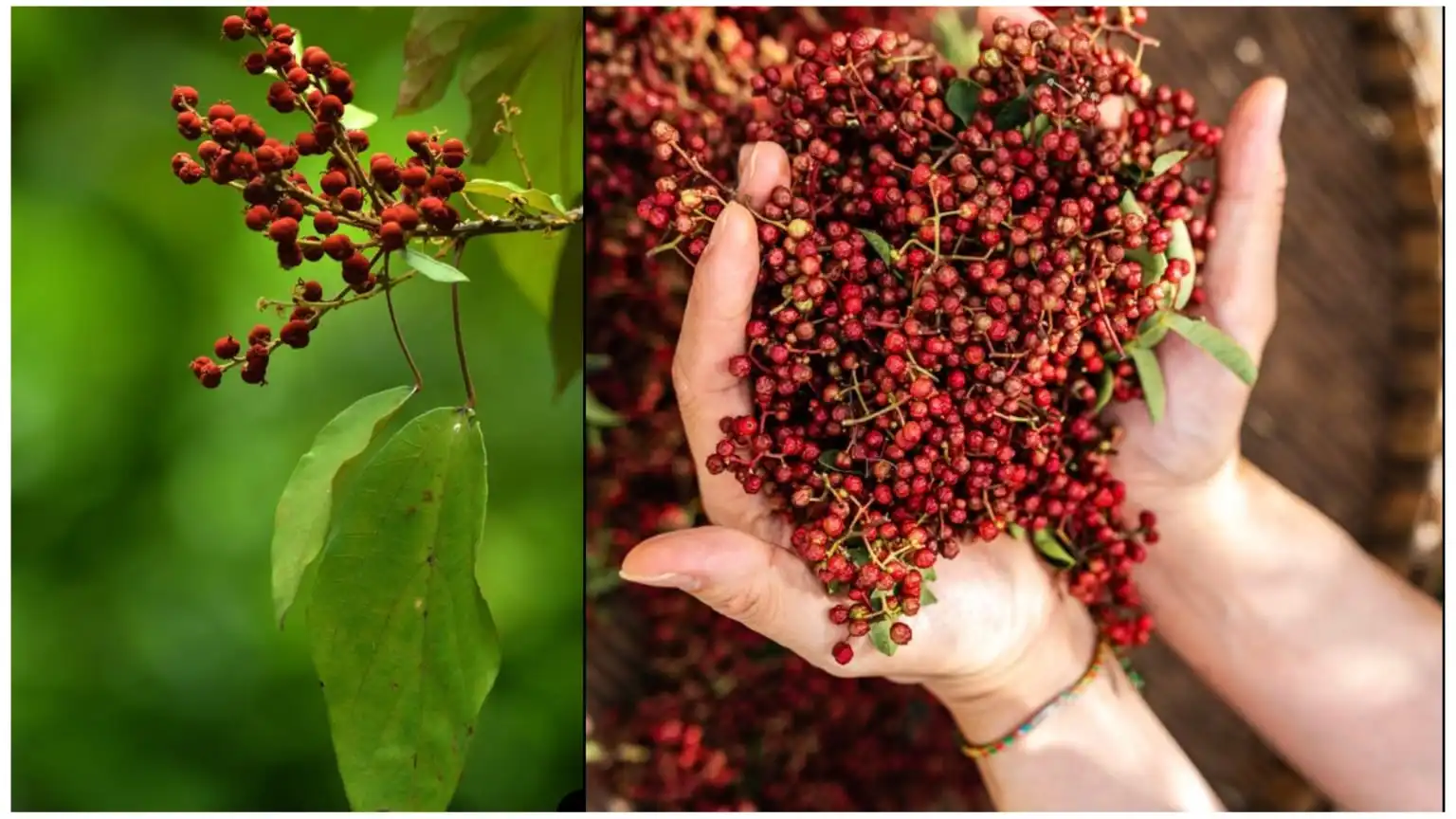
Bangladesh has produced so many Ayurvedic plants and medicines; Bajna, or Zanthoxylum fruit, is one of such kinds. Bajna fol is the small, aromatic fruit of the subtropical tree, known scientifically as Zanthoxylum rhetsa. It belongs to the Rutaceae family, the same family as lemon and other citrus plants, and is also called Indian prickly ash.
For generations, folk healers have valued it, and researchers are now asking whether its reputation against inflammation is justified.
What Bajna Fol Looks Like
The tree bears clusters of small round fruits. They stay green when raw and turn orange or reddish yellow when ripe, around August and September.
Inside is a single hard, shiny black seed. When the dried seed is shaken, it makes a rattling sound, and many believe this is how the tree got its name.
Place in Folk Medicine and Ayurveda
In Bangladesh, in traditional practice, bajna oil and extracts via dhenki and traditional cold-press methods have been used for skin problems, fungal infections and itching. Bangladeshi people have also turned to the plant for joint pain, cold and cough, headaches and stomach troubles.
Chewing the peppery bark is a known home remedy for toothache. Ayurvedic and other traditional systems value parts of the plant for their astringent, antimicrobial and anti-inflammatory properties.
Bajna Seed Oil in the Kitchen
Bajna was not only a medicine. In the past, people also made oil from its seeds, and many mixed it into hot rice. The oil has a citrusy, peppery aroma, and a spoonful stirred into warm rice gave a plain meal a sharp, fragrant lift that native people love the most. People ate it to bring back their taste for food when they felt low on appetite. Today the habit has mostly faded, and the oil is rarely made at home.
What Mordern Science Has Found So Far
Researchers have found that the plant is rich in essential oils, terpenes, coumarins and alkaloids. In laboratory studies, bark extract reduced inflammatory signals and certain pro-inflammatory messengers in the body. A 2022 systematic review of 48 articles listed anti-inflammatory activity among its effects, but it also called for more research.
A Rare Tree Worth Protecting
Reports say the tree is becoming rare in the wild because of tree cutting and environmental change. Protecting it matters for both nature and future research in Bangladesh.