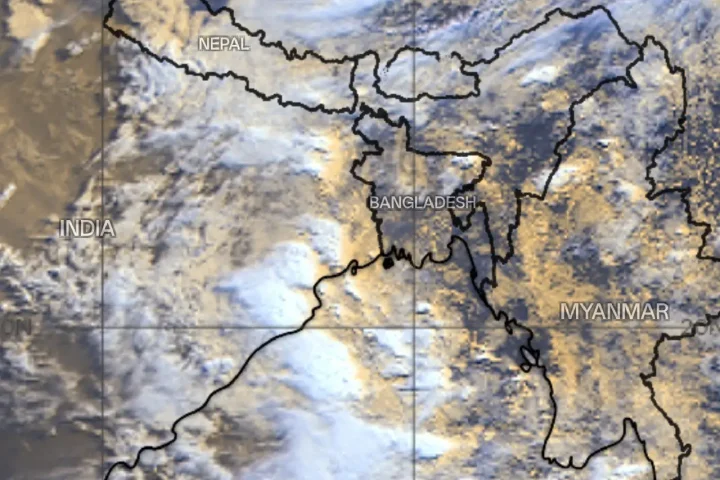

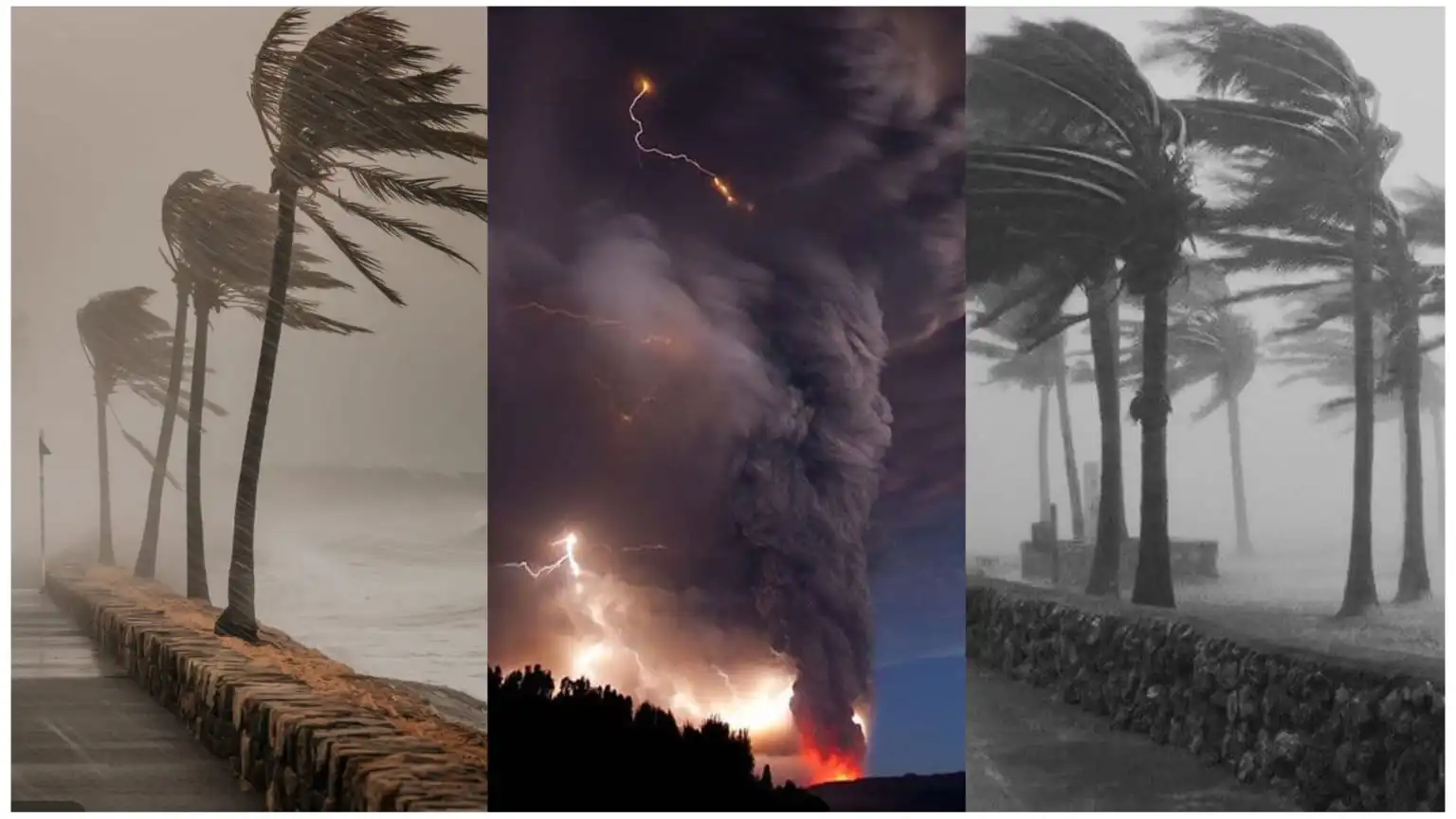
Cyclone Arnab may be hogging the headlines, but the next storm is already on the horizon. India has named the next tropical cyclone that will form over the Bay of Bengal or the Arabian Sea as Murasu. Wherever it forms, it will be utilised for the next system qualifying in the North Indian Ocean.
How Cyclones are Named
The cyclones in the North Indian Ocean are named from a fixed list maintained by a regional committee under the World Meteorological Organisation (WMO) and the United Nations Economic and Social Commission for Asia and the Pacific (ESCAP). Names are proposed by member countries and used in the order proposed. When a system develops into a cyclonic storm, the India Meteorological Department (IMD), through its Regional Specialised Meteorological Centre in New Delhi, assigns the next unused name. A name is only mentioned once and never again.
The present cyclone, Arnab and Murasu, is named Arnab, and it has been proposed by Bangladesh. Murasu is the next in the sequence, and it was proposed by India. It is a traditional percussion instrument of Tamil Nadu.
Murasu and Names Lined Up
These names will follow, in this order, for later cyclones in the region:
- Akvan: suggested by Iran
- Kaani: submitted by Maldives
- Ngamann: suggested by Myanmar
- Sail: proposed by Oman
- Sahab: suggested by Pakistan
- Lulu: proposed by the State of Qatar
- Ghazeer: proposed by The Kingdom of Saudi Arabia
- Gigum: submitted by Sri Lanka
- Thianyot: proposed by Thailand
A System Must Reach Cyclone Strength First
Not all low-pressure systems get named. You only get one when it reaches cyclonic storm strength. If a depression forms over either sea but weakens before it gets there, it does not use up the next name in the list. So a weather system over the Bay of Bengal is not a Murasu by default.
What it means for Coastal India and Bangladesh
For readers in Bangladesh and India’s east coast, the Bay of Bengal is a frequent source of storms. If another system gets stronger after Arnab has weakened, then that system will be named Murasu. Names are names; they tell us nothing about the strength of a storm and where it may track. “Coastal communities should continue to follow official bulletins from the IMD and the Bangladesh Meteorological Department for the latest warnings.
The Importance of Names
Short, simple names assist forecasters, authorities and the public in talking about a storm without confusion. They make warnings easier to remember and communicate, especially when there’s more than one weather system going at the same time.
Discover the Latest Weather Forecast with Bangla Pulse
1. What is the latest Bay of Bengal weather disturbance being tracked by BMD and IMD?
The Bangladesh Meteorological Department and India Meteorological Department monitor weather disturbances over the Bay of Bengal to assess potential risks to Bangladesh. Read more in our report on the Bay of Bengal disturbance tracked by BMD and IMD.
2. What is Bangladesh’s cyclone forecast for 2026?
Bangladesh faces seasonal cyclone risks, particularly during the pre-monsoon and post-monsoon periods. Explore our report on the Bangladesh cyclone forecast for 2026.
3. How has Bangladesh reduced cyclone-related deaths?
Bangladesh has improved cyclone preparedness through early-warning systems, evacuation programmes, cyclone shelters and community awareness. Learn more about how Bangladesh has reduced cyclone deaths.
4. How does Sagar Manthan help with cyclone tracking?
Cyclone monitoring relies on meteorological observations and forecasting systems to assess storm development and movement. Read our report on Sagar Manthan and cyclone tracking.
5. How did the 1942 Bengal cyclone contribute to the famine crisis?
The 1942 Bengal cyclone damaged crops and agricultural livelihoods, contributing to the wider food crisis that preceded the Bengal famine of 1943. Discover more in our article on the 1942 Bengal cyclone and its role in the famine crisis.