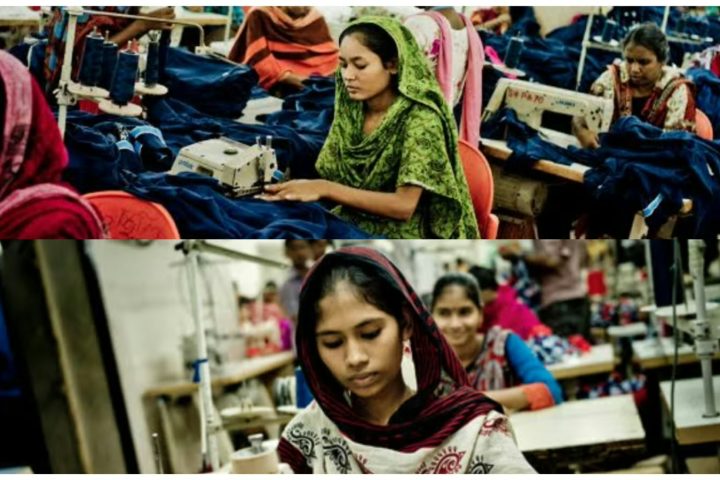

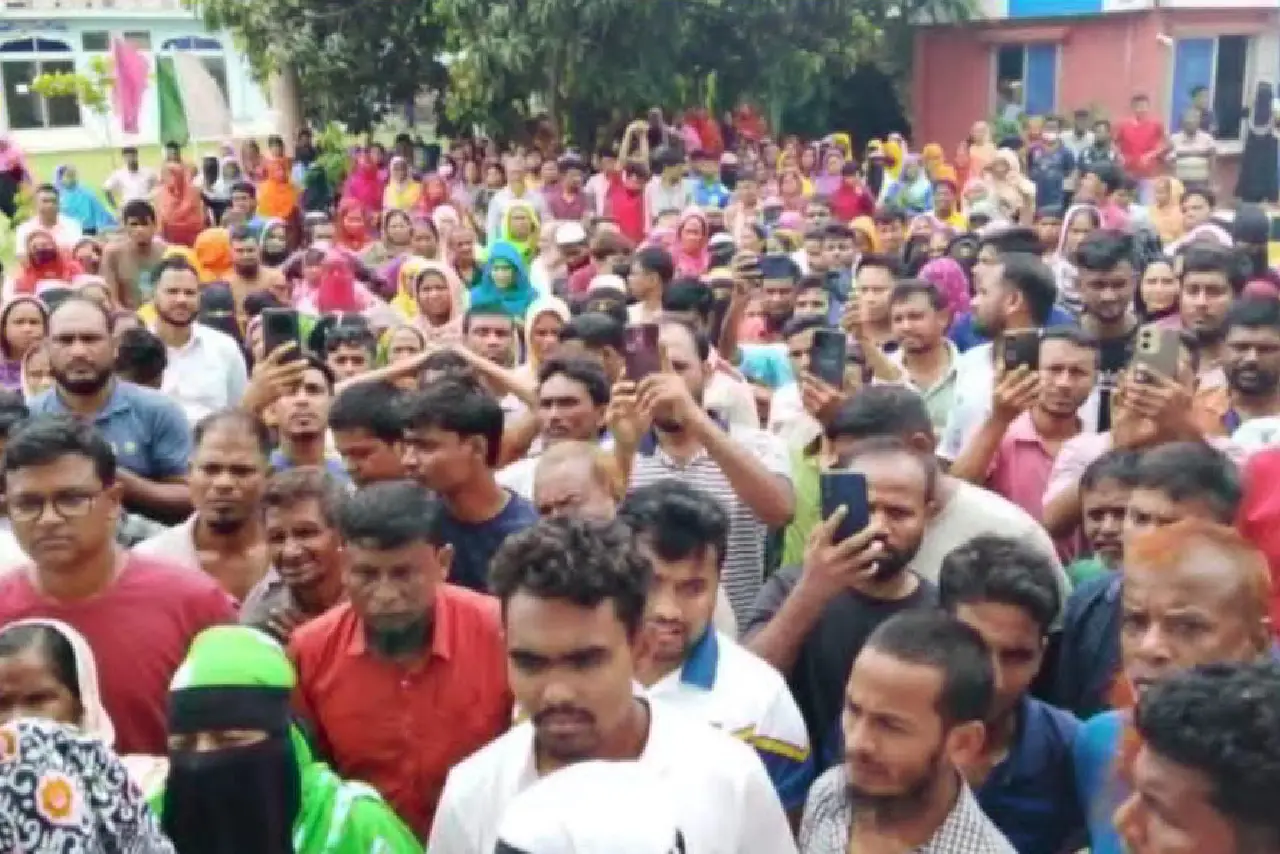
Another large factory has shut in Gazipur, one of Bangladesh’s largest garment manufacturing hubs with over 2,000 registered factories. Thousands of workers came to their gates to find a notice saying they were closed indefinitely. But this is not an isolated case. Gazipur has seen similar shutdowns over and over in the last two years, with hundreds to tens of thousands of workers losing their jobs in one announcement.
Why factories keep closing down in Gazipur
There are many reasons behind the recent wave of factory closures in Gazipur. Some of them are recurring:
- Global brands: slash purchase orders, squeezing factory revenue with falling export orders
- High costs: Because of cuts in gas supply, higher prices of raw materials and inflation, production costs are high.
- Banking problems: Factory owners are finding it difficult to open LCs or get loans for wages.
- Labour unrest: Sometimes, in disputes over unpaid wages, bonuses and service benefits, management invokes Section 13(1) of the Bangladesh Labour Act, which allows a “no work, no pay” layoff.
- Ownership issues: Some factory owners with political connections have gone into hiding or are facing legal cases, freezing operations.
Where Do Workers Go When There is a Closure
Under Bangladesh labour law, when a factory closes, workers are entitled to their due wages, festival bonuses and service benefits. In practice, it can take weeks or months to get the money. Usually, the local industrial police, along with the Department of Inspection for Factories and Establishments (DIFE) and the Department of Labour, intervene to hold tripartite meetings among owners, worker representatives and officials to set a payment schedule.
What workers affected should do
If your plant has shut down, or you think it might, here’s a practical checklist:
- Retain your letter of appointment, ID card and payslips as evidence of your employment.
- Join the workers committee or contact your labour federation rep early.
- Be present at any tripartite meeting convened by Industrial Police or DIFE.
- You can also file a written complaint to the local labour office if the dues are not paid on time.
- Make sure your bKash or Nagad account is active, as most of the settlements and even new job payments are done via mobile financial services instead of bank transfer.
- While waiting for dues, look for openings at nearby factories or through BGMEA-linked skill training programmes.
The Bigger Picture For Bangladesh Garment Industry
For Bangladesh, the world’s second-largest garment exporter, Gazipur is vital. There are ripple effects here beyond the factory gate. Many thousands of workers lose their jobs all at once, local grocery shops lose income, tea stalls lose income, and landlords who rent rooms to workers lose income. Some of the workers go back to their villages, while others earn a living by driving rickshaws or doing day labour.
FAQs
1. Is there a legal right for workers to get paid when a factory closes down without warning?
Yes. Permanent or indefinite closure does not disentitle workers from getting their outstanding wages, festival bonuses and service benefits as per Bangladesh labour law.
2. What is section 13 (1) of the Labour Act and why do factories use it?
It allows a company to declare a temporary layoff, or “no work, no pay,” when chaos or unsafe conditions make normal business impossible. It’s different from a permanent shutdown.”
3. How long do you normally wait to get paid for unpaid dues after a closure?
It depends. In some settlements, payment is within 30 working days as has been agreed in tripartite meetings, while others take months of negotiations and pressure from workers and unions.
4. Where can unemployed workers go to find new jobs?
Sometimes local labour offices, industrial police units and BGMEA-backed training programmes help laid-off workers to find places in nearby factories that are still operating.
Summary
Gazipur, Bangladesh’s industrial hub, has seen another factory closure, leaving thousands of garment workers without jobs or pay. This article explains why these shutdowns keep happening, what workers are entitled to, and practical steps to take if you are affected.