
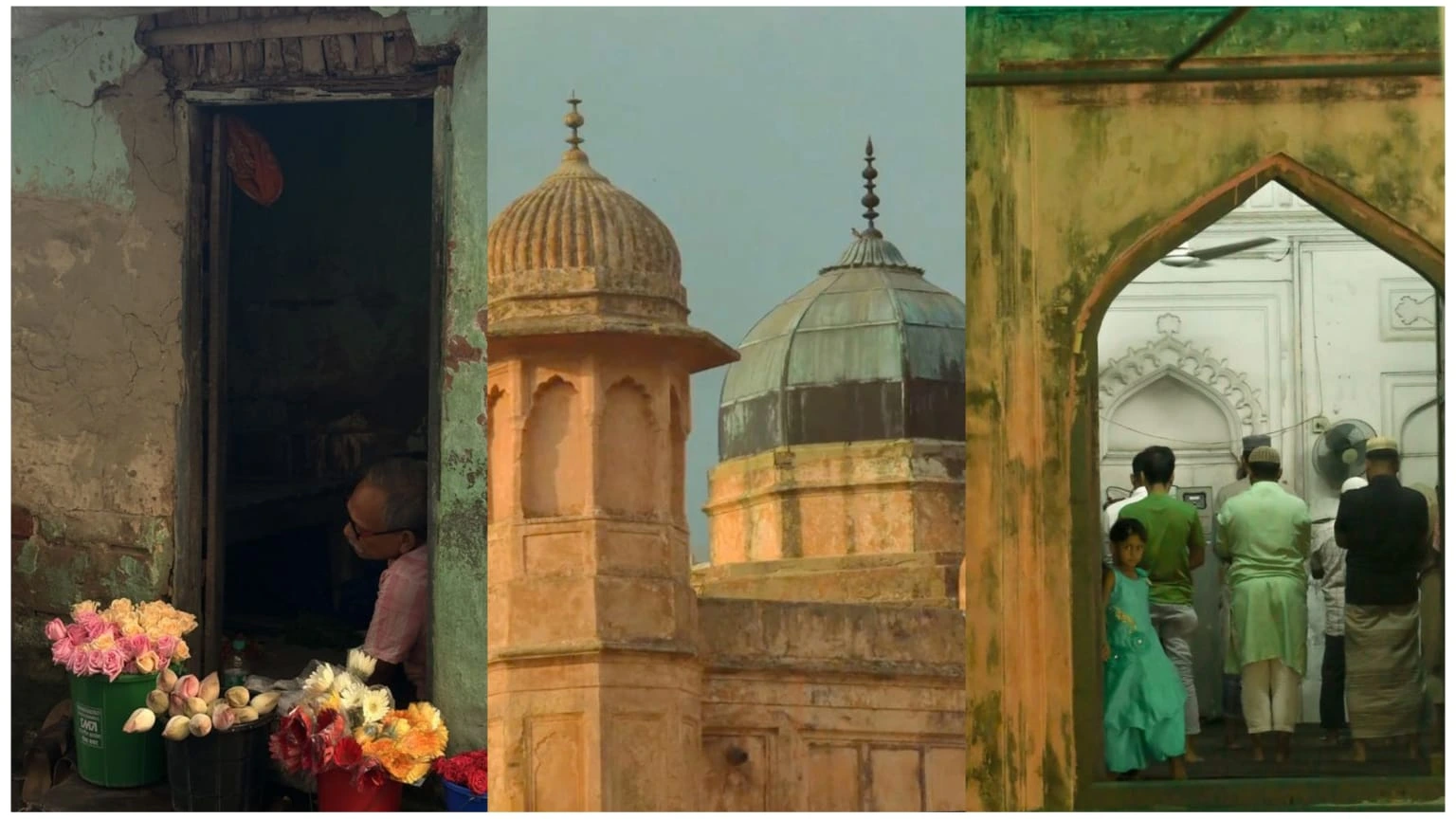
From Sultanate-era mosques deep in the south to Mughal monuments in Old Dhaka, Bangladesh holds centuries of Islamic history. These seven places are a good starting point for any visitor.
Sixty Dome Mosque, the Giant of Bagerhat
Built by Khan Jahan Ali between 1442 and 1459, this is the largest mosque in Bangladesh from the Sultanate period. It stands on sixty pillars and is part of the Mosque City of Bagerhat, a UNESCO World Heritage Site, about 300 kilometres from Dhaka.
Tomb of Khan Jahan Ali, the Saint Who Built a City
The saint-general’s single-domed shrine sits on the northern bank of the Thakur Dighi and is one of the main centres of the old city. He governed the Sundarbans region under the Bengal Sultanate in the 15th century.
Nine Dome Mosque, a Quiet Beauty Near the Tomb
Close to the saint’s tomb, this 15th-century mosque has a plain interior with floral decoration around its main mihrab.
Lalbagh Fort, the Unfinished Mughal Dream
Prince Azam Shah, son of Emperor Aurangzeb, began the fort in 1678. Work stopped after the death of Pari Bibi, and the complex includes a mosque, an audience hall and her tomb. The small museum displays coins, calligraphy, swords and carpets from the Mughal era.
Hussaini Dalan, Old Dhaka’s Muharram Heart
This is one of Dhaka’s oldest and most revered imambaras, in Bakshi Bazar. Each year it becomes a gathering place for the Shia community during Muharram.
Qutb Shah Mosque, a Five-Domed Gem in the Wetlands
Built in the late 16th century at Astogram in Kishoreganj, this five-domed mosque rises amid vast wetlands, making it as scenic as it is historic.
Star Mosque, Old Dhaka’s Sparkling Landmark
Known for its star motifs in china mosaic, the Star Mosque is one of Old Dhaka’s most photographed religious buildings and an easy addition to a Lalbagh and Hussaini Dalan day.
Tips Before You Visit
Dress modestly, avoid prayer times for sightseeing inside mosques, and respect local rules about photography. Check opening hours ahead, since some sites close on certain days.
Discover Rajshahi Durga Puja, Silk Sarees and Tourism
1. How much rice was allocated to Durga Puja mandaps in Rajshahi?
Rajshahi received rice allocation for 489 Durga Puja mandaps.
2. Why is Rajshahi famous for silk sarees?
Rajshahi is renowned for its Rajshahi silk sarees industry, traditional weaving techniques and sarees that reflect Bangladesh’s rich textile heritage.
3. Where can visitors buy authentic Rajshahi silk sarees online?
Buyers can explore online stores and sellers specialising in our guide to buying authentic Bangladeshi Rajshahi silk sarees online.
4. What are the main attractions to explore in Rajshahi?
Rajshahi offers visitors opportunities to explore historic temples, cultural landmarks, traditional silk craftsmanship and the city’s distinctive heritage. Plan your visit with our guide to Rajshahi, the city of silk and temples.
5. Why should tourists visit Rajshahi during Durga Puja?
Durga Puja offers an opportunity to experience local religious traditions, festive decorations and community celebrations in Rajshahi. Visitors can also explore the city’s temples and discover its famous silk products. Learn more about Rajshahi’s silk and temple heritage.