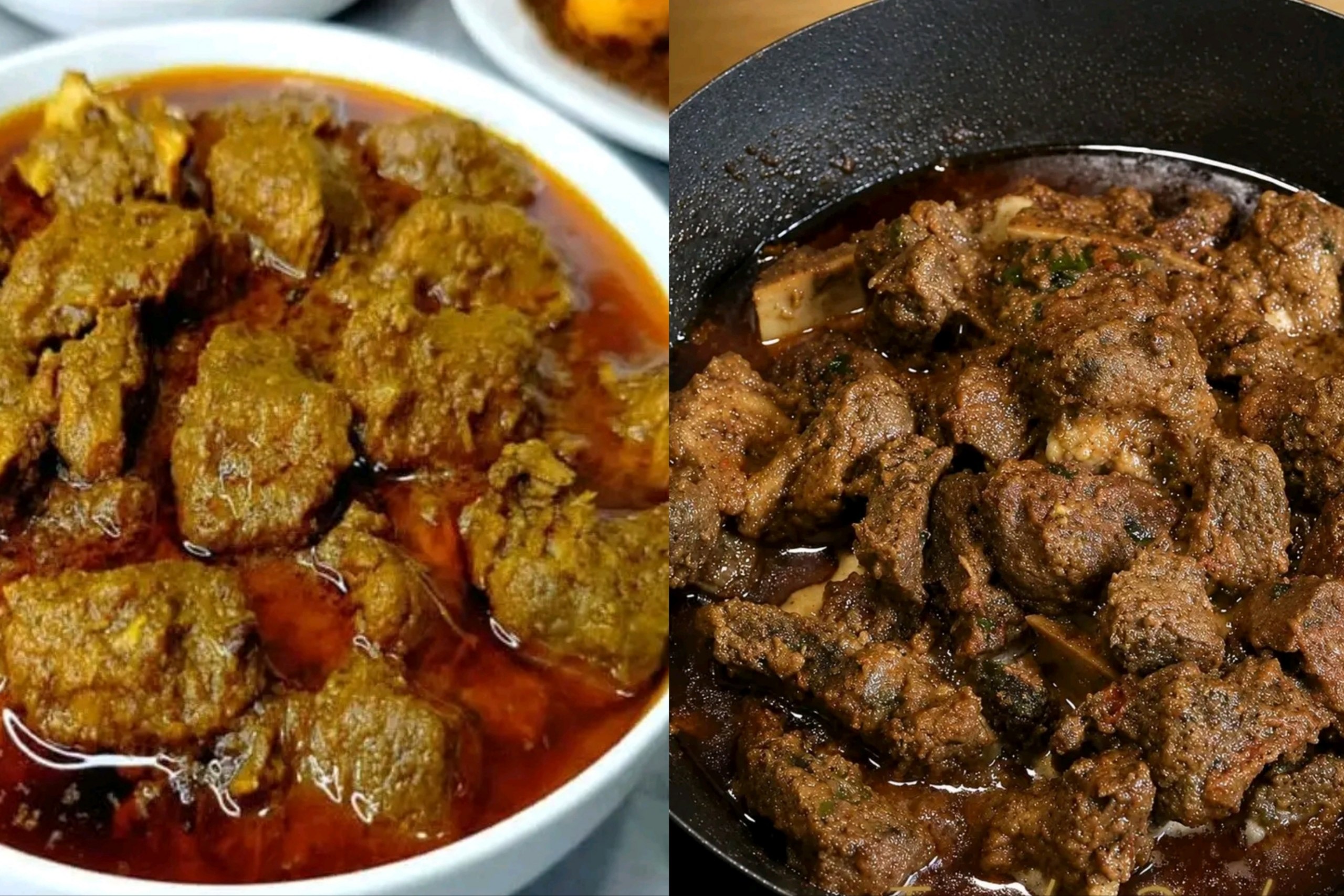
Eid celebrations are incomplete without a grand feast. From mutton curries and kebabs to biryani, fried foods, and sweetmeats, the dining table becomes the focal point of the celebration. However, while festive meals are a source of happiness, they cause much discomfort among many people. Indigestion, bloating, heaviness, gassiness, and acidity are some of the issues that most people experience during the holiday season, particularly after eating several meat-laden meals in one day. Experts advise that the problem does not result from the foods consumed but from overeating, excess use of oil, and improper timing. This Eid, nutritionists advise people to indulge in traditional foods sensibly so that they enjoy the festival without any digestion-related problems.
Why Are the Meals Eaten During Eid Heavier
For Eid, the portions of food eaten by individuals are bigger than normal. This is because rich meats are coupled with fried food, sweets, and soda, making it difficult for one’s body to digest such meals. According to experts, meat is inherently difficult to digest in its raw form. If the meat is fried using plenty of fat, such as oil, butter, and ghee, it becomes even harder for the body to digest. The other major cause of heavy meals during Eid includes constant eating. People move from house to house to celebrate Eid, while at the same time being offered various kinds of snacks and food. In many cases, they keep on eating despite being full. Eating late into the night may also contribute to difficulty in digestion. Older adults, children, and people with diabetes, acidity, or IBS-like symptoms are often more sensitive to these effects.
The Balanced Plate Method
Health experts say people do not need to avoid Eid food to stay healthy. The main thing is portion control. The first easy step that can be taken is that of the balanced plate. Rather than putting only meat and rice on the plate, other food items like vegetables should also be part of the meal.
Some ideas for a balanced Eid plate are:
Beginning with salads or soups, Meat in moderation, Moderate quantities of rice or roti, Vegetables/yogurt on the side, finishing off with light desserts/fruit. Another good thing about this is that it makes it easier for the stomach to digest the food. Another aspect that is of equal importance is eating slowly. Nutritionists say fast eating often leads to overeating because the brain does not immediately recognize fullness.
Healthier Ways to Cook Eid Food
Cooking style plays a major role in digestion. Fried or greasy foods have the potential to lead to stomach problems compared to roasted or baked meals. It is suggested that one should try to incorporate healthier ways of cooking without compromising on the authentic taste of the food items.
Wise Cooking Suggestions for Eid
Grill or bake meat rather than deep fry it, Cook curries using minimal amounts of oil and ghee,
Add vegetables like carrots, onions, and potatoes to meat dishes. Restrict consumption of fried, appetizers like samosas and pakoras. Marinate the meat in yogurt for tender meat. Pair heavy, sweet desserts with light desserts.
Nutritionists further emphasize that fresh cuts of meat may be difficult to digest and thus should be rested sufficiently.
Discover More Stories Worth Your Time
Explore How SSC Exams Began?
Discover how nearly 19 lakh students are participating nationwide in the 2026 SSC exams.
Check Why UV Index Dangerous?
Explore why today’s UV level has reached extreme risk across Bangladesh.
See How Business Setup Easier?
Discover how the new investment agency merger simplifies starting a business.
Find Why Truck Fares Jumped?
Explore what’s driving the sudden Tk 10,000 increase in Chittagong logistics costs.
Learn Which Bangla Songs Trending?
Discover the fresh modern Bengal tracks gaining popularity this month.
Water and Timing Are Important
Many people forget about water when celebrating, yet it plays an important role in digestion. Proper hydration assists the body in digesting large portions of food and prevents constipation.
It is recommended to avoid soft drinks with carbonic acid as these can contribute to bloating.
Timing of meals is important as well, since having meals late in the evening leads to slower digestion and higher acidity levels. In order to prevent this, one should eat heavy foods early and walk after doing that. Some simple tips, such as proper chewing and eating without pausing, will help significantly.
Why Are More Families Becoming Health-Conscious
There is a growing trend towards health-conscious eating on Eid among families who are becoming more health-conscious and lifestyle-conscious. Today, most homes have Eid spreads that feature plenty of meat, pastries, and fried snacks. At the same time, there are increasing cases of diabetes, acidity, obesity, and other digestive conditions. Consequently, many families are now finding ways to reconcile their Eid traditions with healthy eating practices. It is becoming common practice to have small servings of food and use healthy ingredients when cooking, while retaining the spirit of the festival. This approach is good because it ensures that everyone is able to have an enjoyable Eid experience instead of a tiring one.
Enjoying Your Eid Wisely
Nutritionists say healthy Eid eating is not about strict dieting or avoiding favorite foods. It is about moderation. A reduced amount of biryani, less fried foods, an additional portion of salad, or a quick walk after dinner may all seem to be minor decisions, but they can all help one avoid abdominal bloating. In any case, Eid is all about family reunion and joy. When provided with a proper diet plan, people can be part of the festivities without compromising their health.
FAQs
1. What quantity of meat can be safely consumed during Eid?
Therefore, one should opt for smaller portions rather than larger ones, particularly if the meat used is fatty or spicy.
2. What should one eat that would help in digestion after consuming the meal on Eid?
One should consume soups, salads, cooked vegetables, fruits, and water instead of fried food items for better health.
3. Is it true that red meat takes more time to digest?
True, red meat is normally difficult to digest because of being fatty and has many spices added to it.
4. Should I refrain from consuming sweets at Eid?
There’s no need to cut them out altogether, but limit portion sizes or consume lighter alternatives.
5. What makes the best practice after consumption of a heavy meal?
Taking a quick walk, hydrating adequately, and not going to bed straight away is recommended.
Summary: Eid feasts are joyful, but heavy meat meals can trigger bloating and indigestion. Here’s how to eat smarter, stay comfortable, and still enjoy the celebration.