
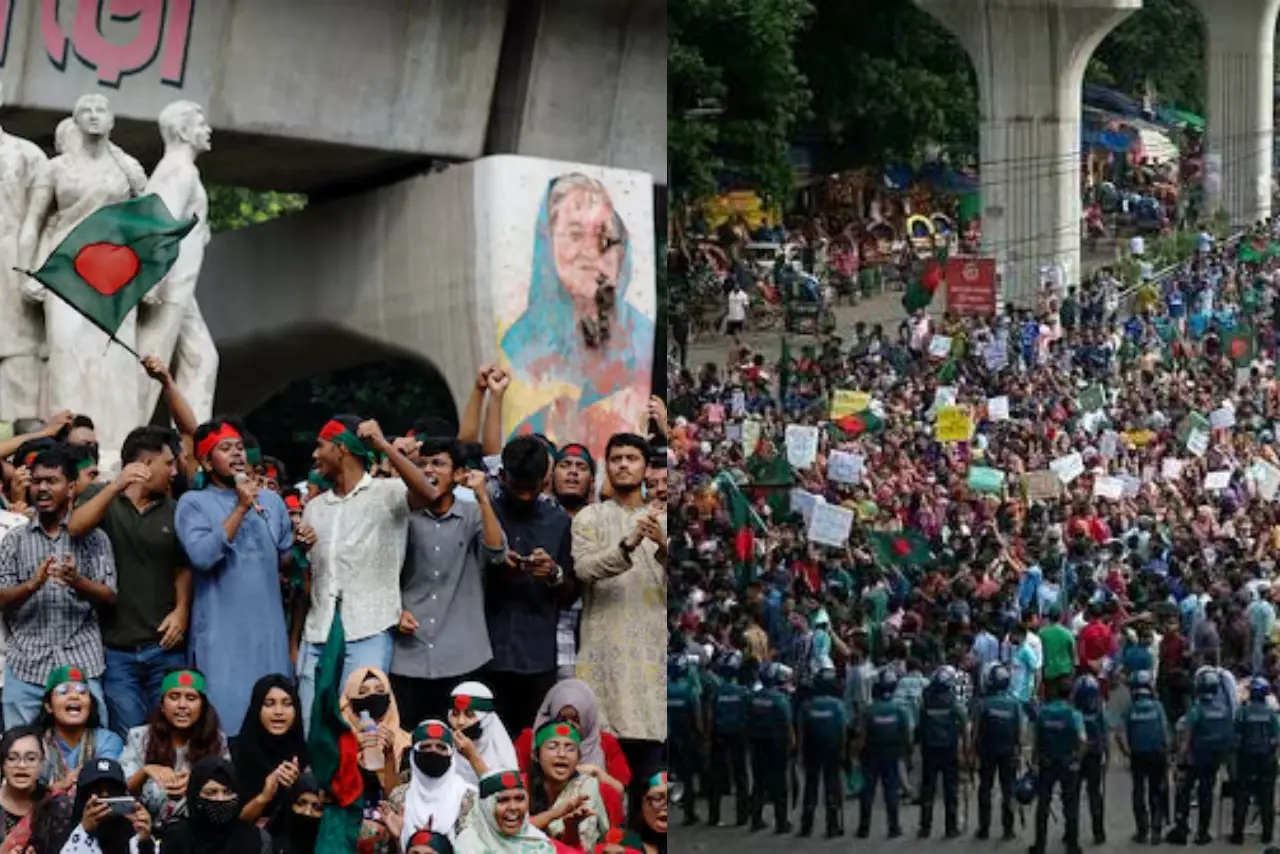
July 2024 has its roots in June 5, when the High Court Division of the Supreme Court scrapped a government circular issued in 2018, effectively reinstating a controversial job quota system that reserved 30 per cent of civil service posts for the descendants of freedom fighters. Six universities held peaceful protests against the ruling. The movement took a brief hiatus for the Eid al-Adha holidays, but came back with renewed intensity after the holidays.
The Protests Grow Larger
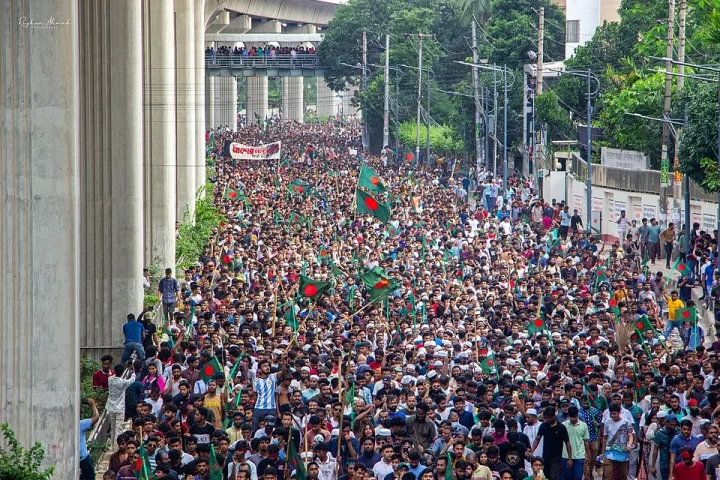
By July, students had organised under the banner of the Anti-discrimination Students Movement, organising marches, sit-ins and blockades across the country. Students marched in the capital on July 14, and submitted their demands in a memorandum to President Mohammed Sahabuddin. Prime Minister Sheikh Hasina spoke to the nation that same evening, with comments that many saw as dismissive of the protesters, an event widely seen as a turning point that escalated the movement from a policy dispute into a broader confrontation.
Violence across the country
15 July: Protesters were attacked on the Dhaka University campus by an activist wing of the student body of the then-ruling party, triggering nationwide clashes
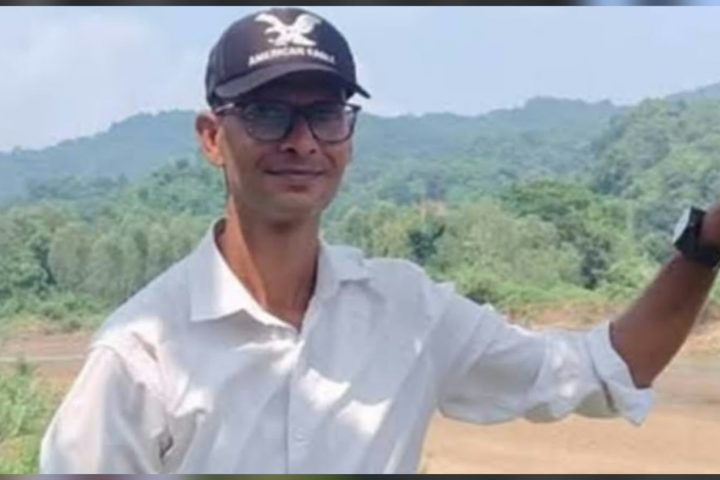
16 July: Six protesters were killed in incidents around the country, including Abu Sayeed, a student of Begum Rokeya University, whose death was recorded on video and widely circulated
Mid-to-late July: Even with the Prime Minister promising justice for those killed already, nationwide protests continued. July 18: Mobile internet and social media access were repeatedly restricted, block raids targeted student organisers, and thousands were named in cases filed across Dhaka alone
The Toll Rises
The crackdown intensified in late July, with the government’s own death toll climbing into the hundreds. Rights groups, foreign missions and international bodies such as UNICEF raised the alarm over the scale of casualties, with UNICEF in particular concerned about the deaths of children caught up in the unrest.
Involving Teachers and the Wider Community
On July 29, university teachers held an “Anti-Repression Teachers Rally” at Aparajeyo Bangla in Dhaka University, starting with a minute of silence for the students killed in the movement and demanding the release of the arrested protesters, a sign that the unrest has moved far beyond just the student circles.
From Quota Reform to a Broad Movement
By the end of July, the demands had decisively shifted. What started as a demand for merit-based employment had grown into a wider movement, with organisers saying they would not negotiate and announcing a “Long March to Dhaka” in early August, along with demands for the resignation of the government altogether.
Why July 2024 Still Counts
The events of that month triggered a sequence of events that culminated in the beginning of August in a major political upheaval that changed the leadership and governing system of the country. For the youth of Bangladesh, in particular, July 2024 has become a moment when a generation went from campus protest to national political consequence in a matter of weeks.
A Month to Remember
Whether the images from that July—lecture halls repurposed as rally sites, viral videos of students who were victims, and streets filled with marchers—are evidence of the power of protest or a cautionary tale of the dangers, they are seared in the memories of a generation who grew up watching, and often being part of, the unrest firsthand.
Summary
What started as a student-led protest against quota reform in Bangladesh in July 2024 turned into a countrywide uprising that reshaped the nation’s politics. Here’s a factual timeline of how the month unfolded and why it still remains a defining moment for Bangladeshi youth.