
For generations, small wooden boats moored along Bangladesh’s rivers have carried a way of life that few outsiders understand.
As they travel from place to place, these nomadic people occasionally construct temporary huts with bamboo and tin roofs for shelter. Often called the Bede or water nomads, their story is a unique myth in a fast-changing world.
A Life Built Around Boats
The Bede are a traditionally mobile community. They lived and worked on Bangladesh’s rivers for thousands of generations.
Each family usually has its own boat, and several boats together form a group that travels under a leader called a sardar. In the past, families spent eight to ten months a year on boats or in tents, moving along waterways, and returned to a settlement for part of the dry season mainly for farming.
Traditional Work and Skills
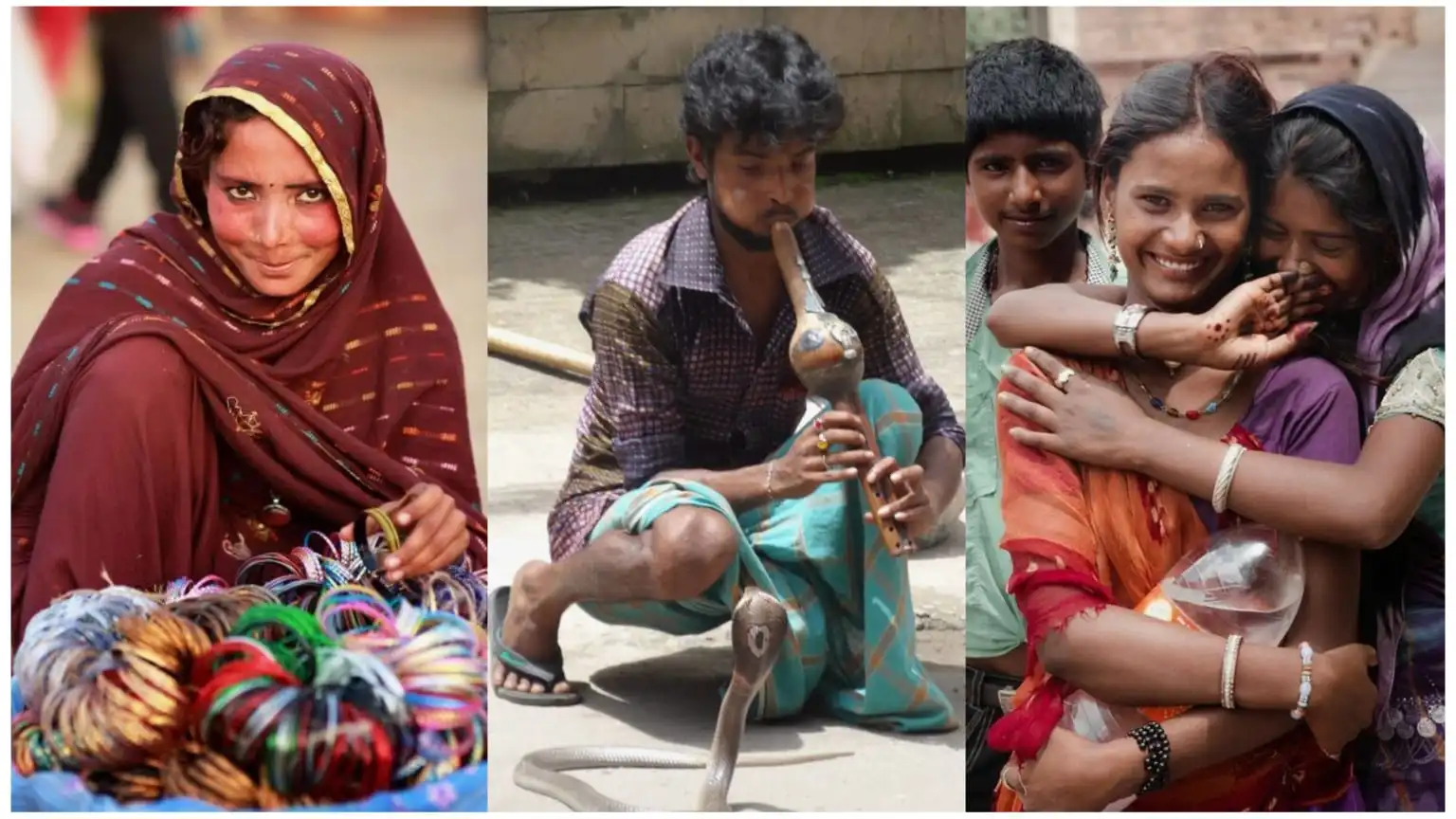
Many Bede are known as snake charmers, folk healers, sellers of potent herbal medicine and amulets, and street performers. Some of the others sell handmade cooking utensils, jewellery and potent herbal spices, or perform monkey shows and magic tricks.
Bede and bedeni also treat snakebite and advise villagers on keeping snakes away from homes. A study found that nowadays only about 9 per cent of Bede in its sample were actually engaged in snake charming, so the popular image tells only part of the story.
Family and Community Life
Bede society is patriarchal, but women play a crucial role. They usually marry very early in childhood, as child marriage is common in their society. Bede women, often called Baidani, are widely known for snake shows and folk healing, which have long been part of rural Bengal’s folk culture.
How Many Bede Are There?
No one knows exactly. Estimates range from around 75,000 in one recent newspaper report to about 17 lakh in a sociological study, partly because many families move for work. The community was granted voting rights for the first time in 2008. Bangladesh government also launched an initiative called the Ashrayan Project for them.
Challenges for Bede Community Today
Life is getting harder. Community members say demand for traditional work is falling, stigma pushes people away from it, and a recent ban on snake-catching has cost them income. Poverty and dying rivers mean many families can no longer sail to other areas. One community leader in Savar said the rivers are no longer what they used to be.
Why Their Story Matters
The Bede are an important part of Bengal’s river culture. Many families are now adapting by settling on land and finding new work, and the question is how to support them without losing their heritage.
Bangla Pulse will keep sharing stories of Bangladesh’s Tribal communities.