
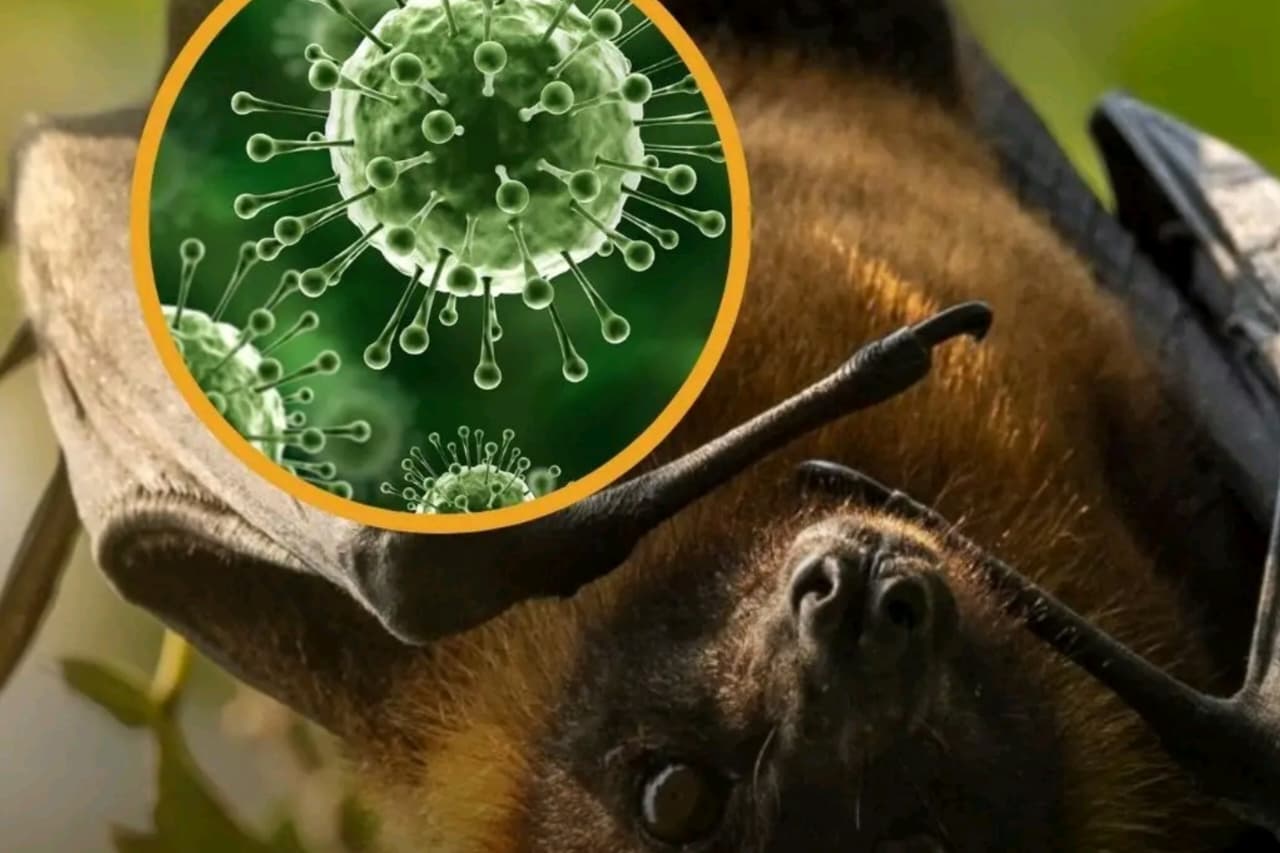
The Nipah virus (NiV) is a rare but highly dangerous zoonotic infection that has triggered multiple outbreaks in South and Southeast Asia. Known for its high fatality rate and rapid spread, the Nipah virus remains a major public health concern due to the absence of a specific cure or vaccine.
What is the Nipah Virus?
Nipah virus is transmitted from animals to humans and also spreads through human-to-human contact. Fruit bats of the Pteropus species are considered the natural carriers. Humans can become infected by consuming contaminated fruits, raw date palm sap, or through close contact with infected individuals.
The virus was first identified in 1999 during an outbreak in Malaysia and has since caused periodic outbreaks in India and Bangladesh.
Nipah Virus Symptoms
Symptoms usually appear within 4 to 14 days after exposure, though the incubation period can extend longer in some cases. Early signs often resemble common viral infections, making detection difficult.
Common symptoms include:
- Fever and headache
- Muscle pain and fatigue
- Vomiting and sore throat
- Dizziness and confusion
In severe cases, the infection can progress to acute respiratory distress and encephalitis, leading to seizures, coma, and death.
Nipah Virus Death Rate
The fatality rate of the Nipah virus is significantly high, ranging between 40 per cent and 75 per cent, depending on the outbreak and healthcare response. Survivors may experience long-term neurological complications, making early diagnosis critical.
How Nipah Virus Spreads
Nipah virus spreads through:
- Contact with infected bats or pigs
- Consumption of contaminated food or drinks
- Close physical contact with infected patients
Healthcare workers and caregivers are at higher risk without proper protective measures.
Safety Measures and Prevention
Since there is no approved vaccine or antiviral treatment, prevention remains the strongest defence.
Key safety measures include:
- Avoiding the consumption of raw or uncovered fruits and palm sap
- Maintaining strict hygiene and handwashing
- Isolating infected patients
- Using personal protective equipment in healthcare settings
Public awareness and rapid contact tracing play a crucial role in outbreak control.
Why Nipah Virus Remains a Global Concern
Health experts warn that increased human and wildlife interaction raises the risk of future outbreaks. Continuous surveillance, early reporting, and community education are essential to prevent widespread transmission.
Read Also: How to Control Belly Fat After 30