The Bangladesh Liberation War of 1971 is often remembered for its military battles and political leadership. Less highlighted, yet equally significant, is the role of women, whose courage, sacrifice, and survival shaped the nation’s struggle for independence. Their contributions ranged from frontline resistance to enduring unimaginable violence, making them central to Bangladesh’s history of freedom.
Women as Fighters and Organisers
Many women actively participated in the Liberation War as freedom fighters (Muktijoddha), couriers, informants, and organisers. They transported arms, gathered intelligence, sheltered fighters, and maintained communication networks under constant threat. Some women also received combat training and took part in guerrilla operations, challenging traditional gender roles in a deeply conservative society.
The Cost of War: Violence and Trauma
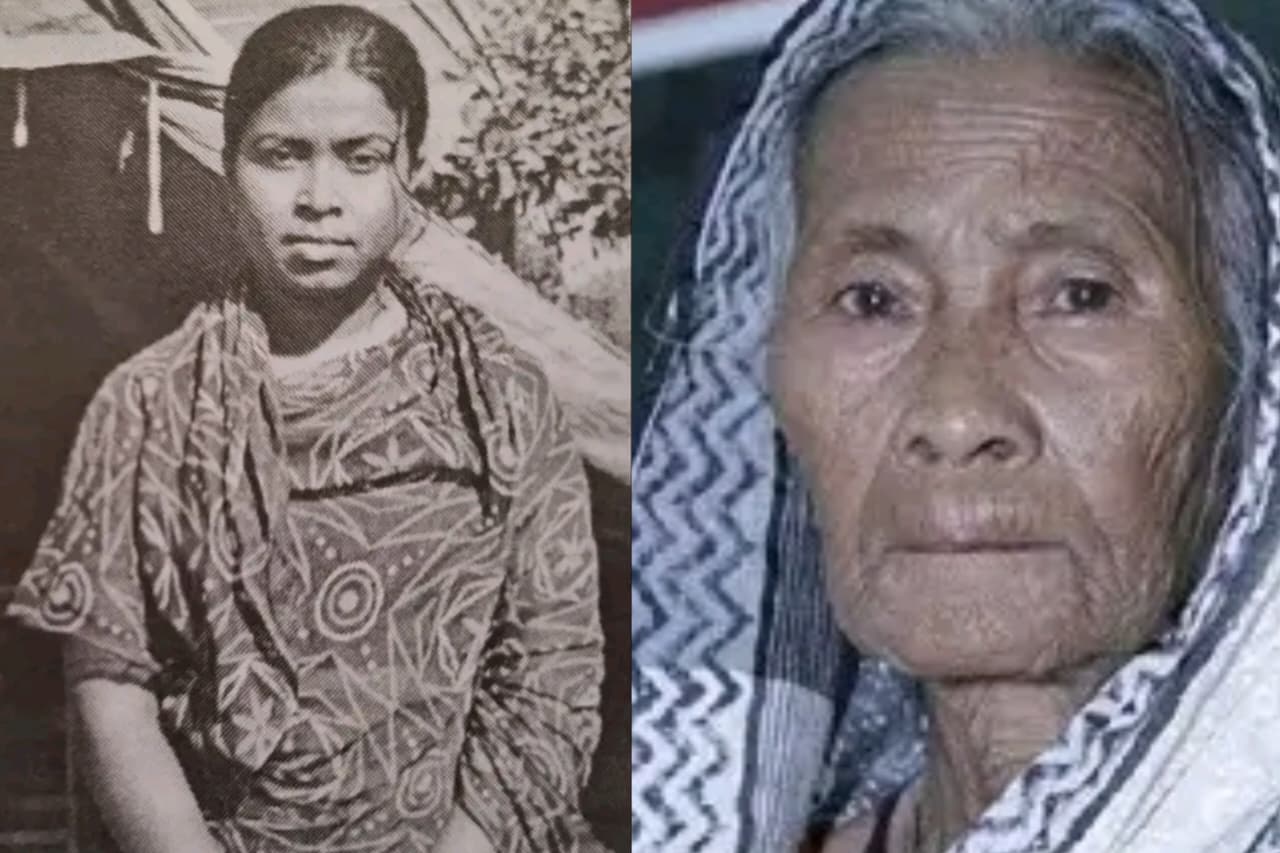
Women paid a devastating price during the conflict. Widespread sexual violence and forced displacement were used as tools of war, leaving lasting physical and psychological scars. Thousands of women were subjected to abuse, becoming silent victims of a brutal strategy aimed at breaking the spirit of the Bengali population. After independence, reintegration into society remained a painful and complex process.
“Birangona” and State Recognition
In recognition of their suffering and bravery, the new Bangladeshi state honoured affected women with the title “Birangona” (war heroine). While the gesture aimed to restore dignity, many survivors continued to face social stigma, highlighting the gap between symbolic recognition and social acceptance.
Survival, Resilience, and Nation-Building
Beyond the battlefield, women played a key role in post-war recovery. As caregivers, workers, and community leaders, they helped rebuild families and institutions in a shattered nation. Their resilience became a foundation for Bangladesh’s social and economic reconstruction.
Why Their Stories Matter Today
Documenting women’s experiences in the Liberation War is essential for historical accuracy, gender justice, and collective memory. Their stories challenge male-centric war narratives and offer lessons on resilience, human rights, and inclusive nation-building.
Read Also: Bangladesh’s IMF Loan Reforms: How Policy Changes Are Transforming Taxes, Subsidies, and Household Spending Across the Economy