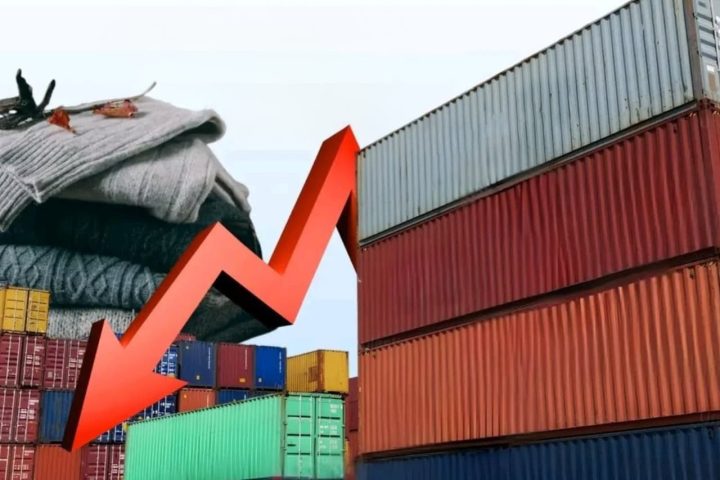
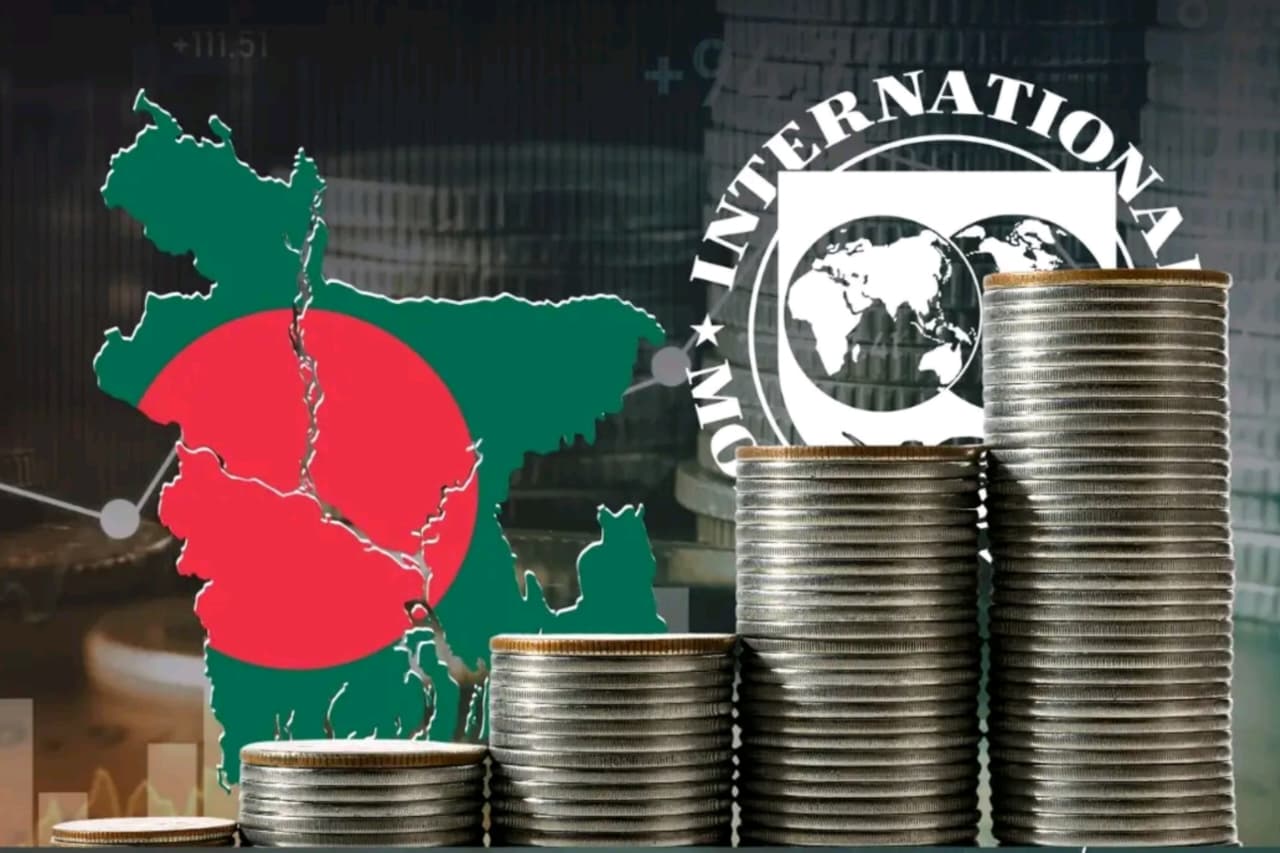
Recently, the International Monetary Fund revised the projected growth of the South Asian countries in terms of the production value in the next forthcoming cycle of 2025-2026. Previously forecasted to be higher, the recent estimation is currently at a point of slightly below five percent. This boom is after a phase of great internal instability and unabated inflationary pressure, which still is weakening the popularity of the household purchasing powers in the region. The main reasons behind this conservative adjustment, as highlighted by global lenders, are the weaknesses in the banking sector and a drastic decline in the pace of the privately owned investment. Although the interim government still hopes that the recovery will be accelerated, the international community highlights the necessity of immediate structural changes that would stabilize the financial situation and promote sustainable development.
Shifting Economic Outlook for the Nation
The negative revision is mainly due to the tightening of the monetary policy which is aimed at curbing the rise in the consumer prices, which are already in the double digits several months. Although these measures are required to stabilize the situation in the long-term, they have slowed down the industrial activity and international trade in the short run. Moreover, the political change that will follow at the beginning of 2026 has added a measure of uncertainty to both domestic and foreign investors and as a result, there is a wait-and-see attitude, which restricts the capital formation.
Factors Influencing the GDP Projection
The global watchdogs such as the World Bank also point out that bottlenecks in the supply chains and energy shortages are still considered as significant obstacles to the manufacturing industry. Through filling of these structural gaps, as well as enhancing the tax revenue collection, the authorities believe that they are opening the way to a more vibrant rebound in the following years. According to the analysts, the successes of these reforms will be strongly dependent on the effective mobilization of the domestic resources and restoration of the credit flow to the private sector. Today the cost of borrowing is high and this is restraining the growth of business. Nevertheless, in spite of these headwinds, there is some optimism that there would be a gradual recovery with a surge in the inflows of remittance and a stabilizing foreign exchange market as the country continues to overcome its recent transitional problems.
Recently, the International Monetary Fund revised the projected growth of the South Asian countries in terms of the production value in the next forthcoming cycle of 2025-2026. Previously forecasted to be higher, the recent estimation is currently at a point of slightly below five percent. This boom is after a phase of great internal instability and unabated inflationary pressure, which still is weakening the popularity of the household purchasing powers in the region. The main reasons behind this conservative adjustment, as highlighted by global lenders, are the weaknesses in the banking sector and a drastic decline in the pace of the privately owned investment. Although the interim government still hopes that the recovery will be accelerated, the international community highlights the necessity of immediate structural changes that would stabilize the financial situation and promote sustainable development.
Shifting Economic Outlook for the Nation
The negative revision is mainly due to the tightening of the monetary policy which is aimed at curbing the rise in the consumer prices, which are already in the double digits several months. Although these measures are required to stabilize the situation in the long-term, they have slowed down the industrial activity and international trade in the short run. Moreover, the political change that will follow at the beginning of 2026 has added a measure of uncertainty to both domestic and foreign investors and as a result, there is a wait-and-see attitude, which restricts the capital formation.
Factors Influencing the GDP Projection
The global watchdogs such as the World Bank also point out that bottlenecks in the supply chains and energy shortages are still considered as significant obstacles to the manufacturing industry. Through filling of these structural gaps, as well as enhancing the tax revenue collection, the authorities believe that they are opening the way to a more vibrant rebound in the following years. According to the analysts, the successes of these reforms will be strongly dependent on the effective mobilization of the domestic resources and restoration of the credit flow to the private sector. Today the cost of borrowing is high and this is restraining the growth of business. Nevertheless, in spite of these headwinds, there is some optimism that there would be a gradual recovery with a surge in the inflows of remittance and a stabilizing foreign exchange market as the country continues to overcome its recent transitional problems.
Read Also: Mardaani 3 vs. Border 2: Rani Mukerji Struggles at Box Office While Sunny Deol Breaks Records