Traditionally used in marriage ceremonies and cultural gatherings, Bangdani and handloom fabric are now evolving their story in the cities of Bangladesh. As urban youth continue to rediscover heritage through these traditional woven textiles, they are establishing a modern fashion identity based upon heritage, pride, sustainability, and artistry.
Rebirth of Heritage in “New Age” Fabrics
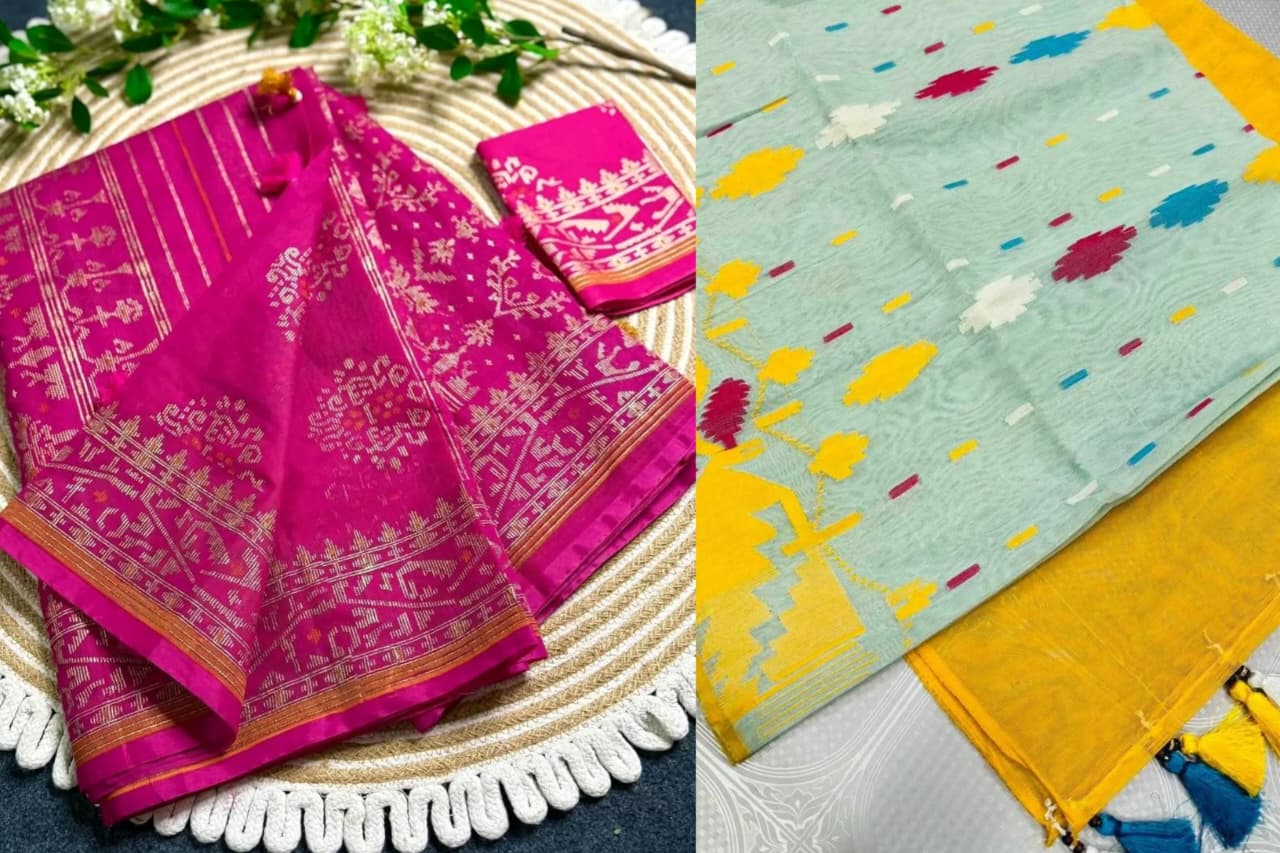
The resurgence of popularity enjoyed by handlooms and Jamdani fabrics among today’s workforce and students demonstrates the quality of craftsmanship associated with these textiles. Both designers and consumers have begun to reimagine the traditional motifs commonly used on traditional fabrics into new silhouettes and styles suitable for daily use in urban settings.
Urban Youth Discovering Jamdani
The push toward wearing Jamdani is being fueled by the desire of younger generations in Bangladesh to establish a cultural kinship through originality in their fashion. Many young Bangladeshis view wearing Jamdani as a “traditional” textile, and that wearing handloom is not only a way to show their heritage, but to differentiate themselves from the crowd.
Blending Modern Styling with Traditional Weaving Techniques
Urban stylists are utilising the latest trends on Social Media with crop tops and oversized shirts, together with coordinating sets and fusion kurtas made from Jamdani. Wearers are wearing handloom sarees parallel to trainers or sneakers, widening the scope for conjunctions of minimalist jewellery to both global and regional identities.
What is Considered Sustainable or Eco-Friendly Fashion
The emergence of eco-friendly fashion (primarily via handloom production) is a major factor in its revival. The use of local artisans and limited processing materials reduces the impact of chemicals on the environment. Handloom provides a means to combat the environmental impact of fast fashion. Jamdani, for instance, exemplifies both environmentally-sound and culturally-sound fashion; many eco-conscious youth regard the production of Jamdani as a fashion choice in support of both sustainability and cultural heritage.
Social Networks (influence on products) and Local Brands
The boom in Jamdani, along with other products, has been aided by social media platforms such as Instagram and the rise of fashion-oriented pop-up shops, which are all contributing to a renewed interest in Jamdani and similar products. In addition, local fashion brands such as Dhaka-based MARGINAL have encouraged the renaissance of Jamdani through their storytelling-style marketing (promoting local weavers, craftsmanship, and cultural heritage) and evoking an emotional attachment to Gen Z and Millennial consumers.
Economic and Cultural Impact of the Comeback
The renewed interest in Jamdani and other previously forgotten products/artefacts has created opportunities for rural weavers while also providing a boost to the cultural economy of Bangladesh. The merging of tradition and trend has ensured that many traditional skills will not deteriorate due to the absence of demand.
Conclusion
Handloom textiles/ Jamdani have transcended their traditional boundaries; they are now becoming wardrobe staples in urban-oriented fashion. The revival of these products by Bangladeshi youth successfully marries style and sustainability with a sense of pride in their heritage through the modern interpretation of their historical/ family origins.
Read Also: Threads of Tomorrow: How Bangladesh’s Folk Art Revival Is Rewriting Rural Livelihoods