Jamaat-e-Islami in Bangladesh has been thrust into the national spotlight again after its leadership made recent statements that have reignited longstanding issues surrounding Jamaat’s views on women’s rights, democracy, and constitutional values. Detractors say that this renewed controversy is merely part of an overall pattern of ideological behaviour that has existed for several decades.
Historical Ties to the 1971 War for Independence
Jamaat-e-Islami’s position on women’s rights has everything to do with how, during the 1971 War for Independence, Jamaat was not only opposed to the independence of Bangladesh, but they also collaborated with the Pakistani Armed Forces, who were responsible for many egregious human rights violations, including mass sexual violence against Bengali women. To this day, Jamaat has never acknowledged or apologised for its role in that legacy, which continues to breed public distrust of the party.
After 1971, Jamaat rejected the secular constitutional foundation of Bangladesh. Clerics associated with Jamaat and its student organisation have been accused throughout history of enforcing strict sporting standards of behaviour through the use of fatwas that primarily targeted women.
Language Change Rather Than Political Structure Change
In the 2000s, due to demands for democracy, Jamaat changed the way it discussed women. The party began to refer to ‘women’s rights’ within the framework of Islam, leading many women to feel their rights were protected, at least on some level. However, most critics agreed that while Jamaat made changes to public rhetoric, they were mostly cosmetic — the party encouraged women to vote and obtain a limited level of education, but would not permit any participation by women in the leadership of the party, and women are made to feel their main role is within the home.
For many, the last few years have reinforced this notion. Initiatives that have been proposed that are given ‘protection’ to women, such as restricting the number of hours women can work, and other religiously based parties launching attacks against women’s institutions of higher education, have only served to heighten concerns about exclusion rather than empowerment.
Dr Shafiqur Rahman 2026 Reference
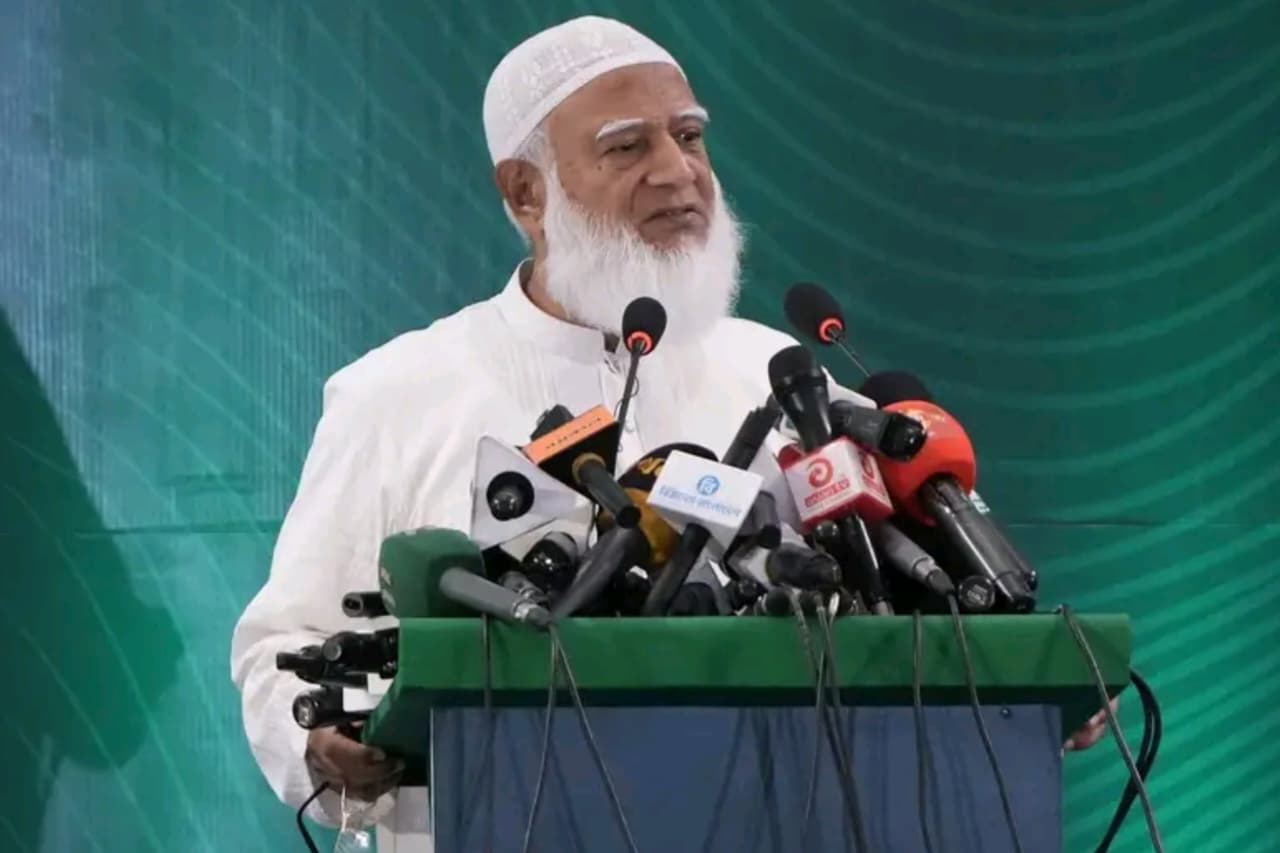
At the beginning of 2026, comments made by the party’s leader regarding women entering the workforce leading to ‘moral decay’ and women being unable to lead the party because of their place in Islam ignited the debates. Jamaat has claimed these statements were made without permission; however, without independent verification of this claim, the issue remains outstanding.
Public Response and Consequences to the Political Scene
The statements made by Dr Rahman triggered protests across the Country by primarily women and youth. Many of the people protesting made references to historical anti-independence movements, as well as gender inequality in the history of Jamaat. Political party leaders from the opposition to Jamaat accused the party of using the patriarchal nature of their religion to suppress and exclude women.
Significance of This Issue
In addition to representing a conflict between Jamaat-e-Islami’s beliefs and Bangladesh’s secular constitution, the incident demonstrates a more historical divide: the absence of women in the leadership positions of government. The response to recent events represents a large-scale refusal to engage in politics that excludes women from an electorate and workforce that comprises 50 per cent of the total population.
Read Also: Above the Clouds: Best Resorts to Stay in Sajek Valley for a Perfect Hill Retreat