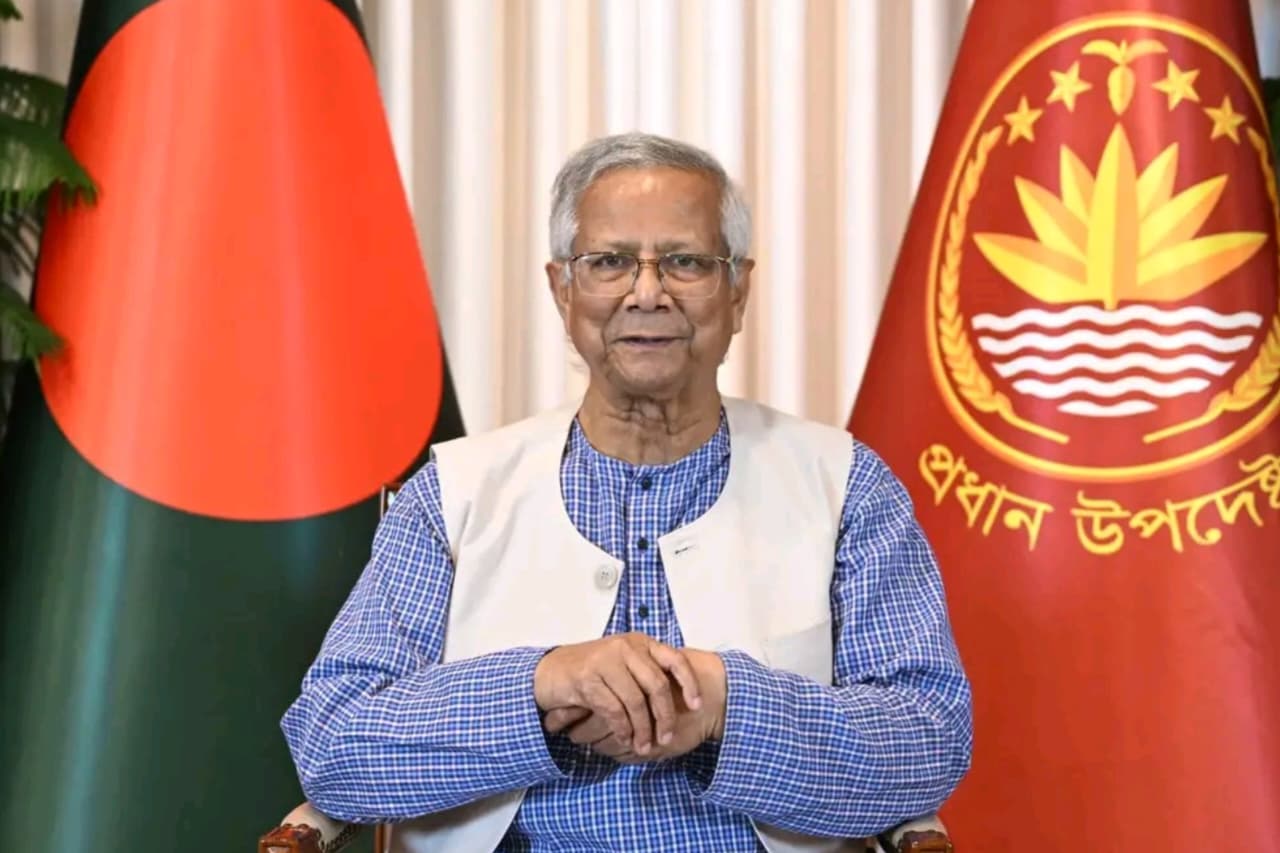
Muhammad Yunus assumed a historic position as Chief Adviser of the interim government of Bangladesh in August 2024. His administration has been keen on structural reforms aimed at winning back confidence, transparency and stability at a time when the country has been experiencing economic stress and institutional challenges. The point has been obvious: to restore systems rather than headlines.
Governance Overhaul
By introducing several commission reviews of the judiciary, frequency of election, police, public administration, and anti-corruption agencies, one of the most drastic measures was taken. These commissions were expanded subsequently to encompass a broader scope, such as women’s rights and constitutional reform.
The implementation of the July Declaration and the July Charter developed a road map that was signed by significant political parties. The target of this consensus-based approach is to facilitate free and fair elections in 2026 as well as fortify democratic institutions.
Measures of Economic Stabilisation
The recovery of the economy has taken priority. The inflation has slowed down, foreign reserves have also improved, and remittance inflows have surged a great deal.
The interim government also overlaid tax systems, tax returns in digital form, and did away with controversial money-whitening provisions. Attempts at eliminating middlemen in supply chains have assisted in stabilizing prices of the basic commodities.
The economic credibility has also been enhanced by the strategic foreign investments and settlement of foreign debt.
Justice and Social Reform
The administration proceeded with lawsuits pertaining to the July 2024 uprising as recommended by international human rights.
Bangladesh was also influenced to advance toward the international human obligations to enhance institutional accountability.
The food stock levels rose when facing floods, whereas the law enforcement reforms are said to have made a positive impact on the public safety measures.
A Reform-Driven Future
These reforms indicate a system reset, and not short-term solutions. Even though the situation is still problematic, the emphasis on transparency, economic discipline, and institutional strength is an indication of a long-term rebuilding process.
FAQs
1. Which was the initial significant change made by Muhammad Yunus?
He established various commissions to examine the governance systems, such as elections, the court system, and anti-corruption systems.
2. What are the improvements that the economy has been experiencing under the interim government?
Inflation is now reduced, remittances are increased, foreign reserves are enhanced and digital taxation reforms have been offered.
3. What is the July Charter?
It is a reform agenda that the political parties support, such that it enables institutional reforms prior to the 2026 elections.
Summary
Since August 2024, Muhammad Yunus has worked on structural governance reforms, economic stabilization and justice programs. Although Bangladesh is still struggling, the reform-based plan would be to establish stronger institutions, regain economic trust, and equip the country to undergo a more stable democratic transition.
Read Also: Bangladesh Election 2026: Tarique Rahman’s ‘Dream Bangladesh’ Promise of Safe Streets, Health Cards and Farmer Loans Explained