
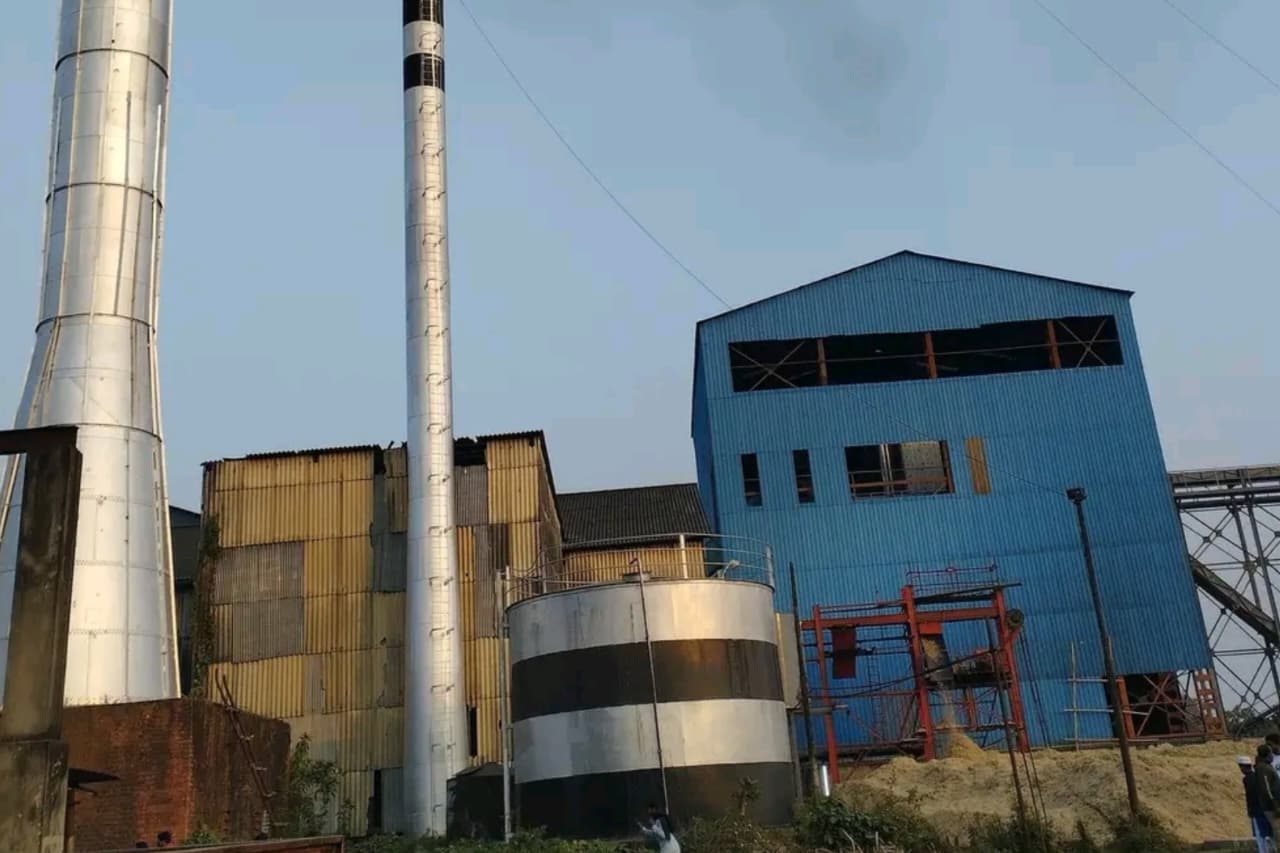
Bangladesh’s push to revive state-owned sugar mills has put Thakurgaon back in focus. The goal is clear: modernise, diversify and protect jobs.
The planned upgrade of Thakurgaon Sugar Mills Ltd aims to transform an underperforming factory into a competitive agro-industrial hub. With outdated machinery and low sugar recovery rates—reported around 5% in recent seasons—the mill has struggled to operate at full capacity. Modernisation promises not just efficiency, but employment stability.
Equipment Upgrades to Raise Output and Protect Existing Workers
Currently, the mill produces far below its installed capacity. For example, output of just over 3,000 tonnes stands against a potential exceeding 15,000 tonnes in a season.
Replacing ageing equipment with advanced extraction technology is expected to improve sugar recovery rates and reduce wastage. Higher efficiency means more sugar from the same volume of cane.
The move is critical for safeguarding the livelihoods of 483 permanent and 343 temporary workers. Crushing seasons, typically lasting 70–80 days, could extend or intensify with higher throughput. That translates into more labour demand during peak periods—without layoffs, according to government assurances.
Diversification Into Ethanol, Biogas and Power Generation
Modernisation is not limited to sugar alone. Authorities plan to add production lines for refined sugar, rectified spirit, bio-compost, biogas and power cogeneration.
Diversification creates dedicated technical roles in processing, maintenance and energy management. Biogas plants and electricity generation units can feed surplus power to the grid, generating new revenue streams.
Workers will undergo skill training to operate modern machinery. Youth employment may expand in agro-linked industries, machinery servicing and supply chain logistics tied to the upgraded mill.
Boost for Farmers and Regional Economy
The modernisation also strengthens demand for sugarcane. Targets of crushing up to 90,000 metric tonnes would directly benefit farmers cultivating across more than 10,000 acres in northern Bangladesh.
Higher cane procurement supports thousands of farming families, transport workers and input suppliers. Reviving profitability—amid past accumulated losses—allows reinvestment and regional industrial growth.
Politically, sugar mill modernisation aligns with broader promises to expand agro-industries and create sustainable rural employment rather than shutting down state-owned units.
Conclusion
If executed effectively, the Thakurgaon Sugar Mill modernisation could become a model for reviving Bangladesh’s sugar sector—protecting existing jobs while generating new ones through technology and diversification.
FAQs
1. Why is Thakurgaon Sugar Mill being modernised?
To improve efficiency, raise sugar recovery rates and reduce financial losses.
2. Will workers lose jobs due to modernisation?
Government plans emphasise no layoffs and skill training for existing workers.
3. What new products will the mill produce?
Refined sugar, rectified spirit, bio-compost, biogas and electricity through cogeneration.
4. How does modernisation help farmers?
Higher crushing targets increase sugarcane demand, supporting local growers.
5. Can modernisation make the mill profitable again?
Improved efficiency and diversified revenue streams are expected to reduce losses and boost sustainability.
Meta Summary
The modernisation of Thakurgaon Sugar Mill aims to improve efficiency, raise sugar recovery rates and diversify into ethanol, biogas and power. The move could protect over 800 workers and create fresh agro-based jobs in northern Bangladesh.
Read Also: Yunus’ Bold Reforms Since 2024: 11 Commissions Reshape Bangladesh’s Future – Elections, Justice & Economy Explode!