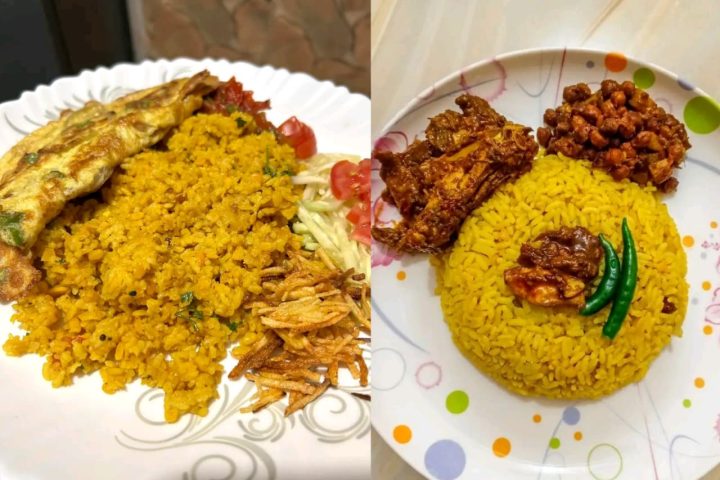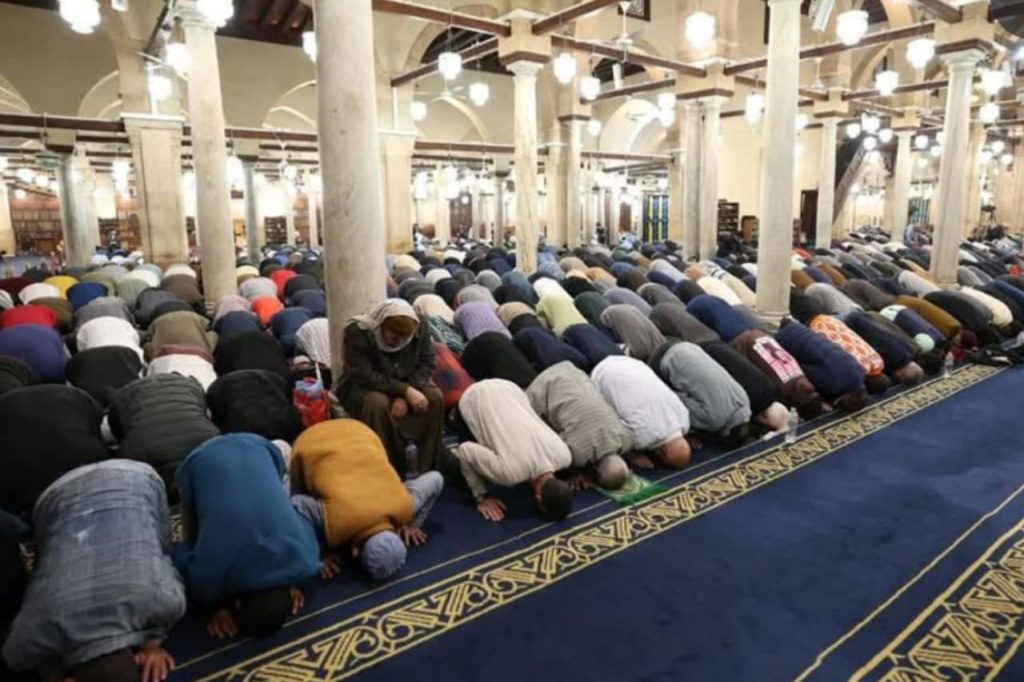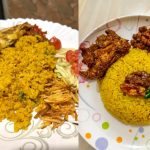
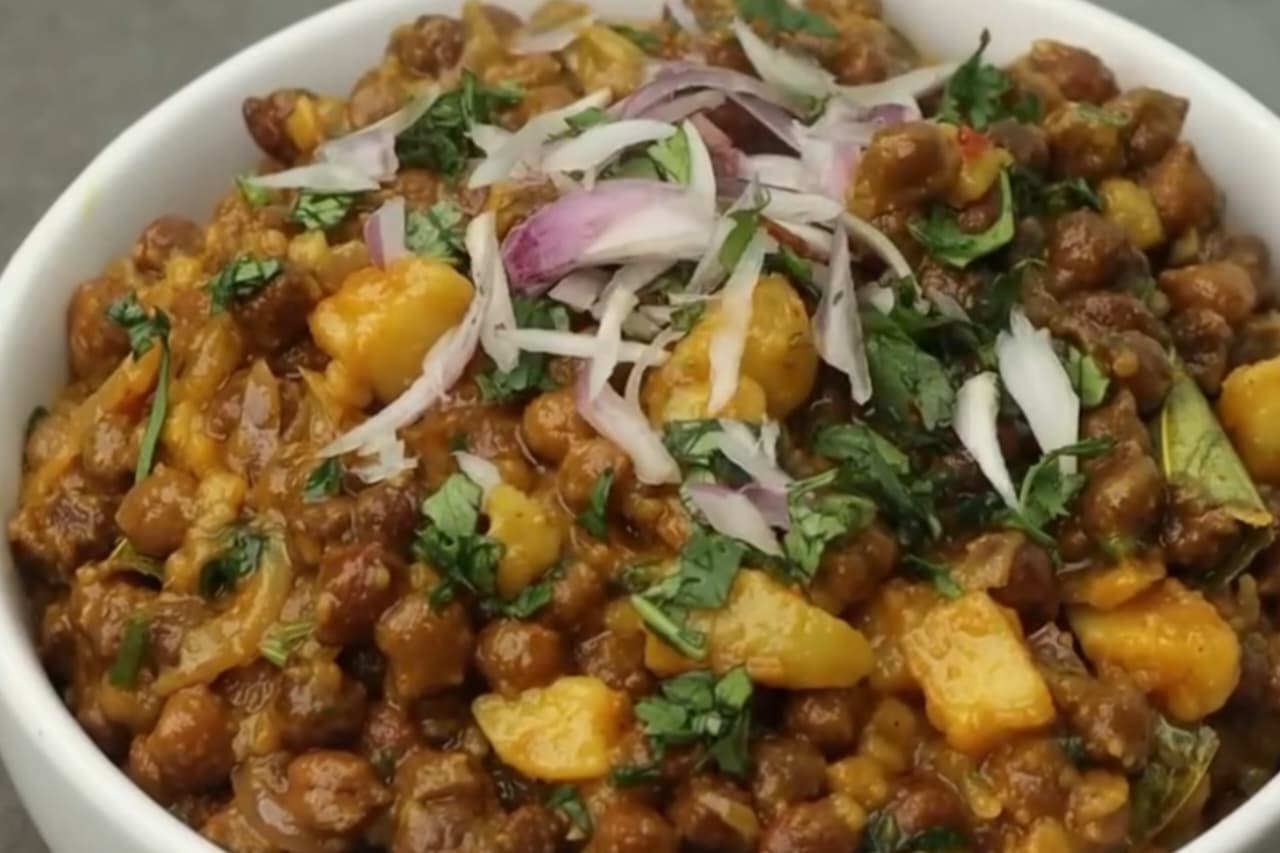
Chickpeas, also known as garbanzo beans, are traditionally eaten during Ramadan to help restore the energy lost through fasting. They’re full of protein, high in dietary fibre, and loaded with many other important vitamins and minerals to help continue providing stable energy over a period of time without drastically raising blood sugar levels. They also have many different uses (including salads, soups, and hummus), making them perfect for iftar meals.
Chickpeas Boost Protein and Energy in Iftar
With 14 grams of plant protein per cup of cooked chickpeas, you will have an excellent source of protein to help repair your muscles after fasting all day. This also helps to reduce fatigue while waiting for Iftar. Chickpeas contain 71% of the daily value (DV) for folate and 26% for iron, which helps with the production of red blood cells and prevent anemia from fasting.
Chickpeas are also high in manganese (74% DV) and many B vitamins, including thiamin. Due to their low glycemic index (GI), they can provide long-lasting energy for you to continue to be active while performing Taraweeh and spending time with your family, unlike sugary foods that will provide only temporary energy.
Fibre in Chickpeas Aids Digestion During Ramadan
The excellent fibre content of 12.5 grams per serving facilitates regular bowel movement following a long period of fasting. The soluble fibre contained in chickpeas lowers cholesterol (LDL) in the gut and helps balance the pH in the stomach, reducing the risk of bloating or constipation resulting from large iftar meals. Families who consume enough fibre will be less likely to overeat due to feeling satisfied when they eat. Additionally, studies indicate that consuming fibre from chickpeas will improve digestive function, which is critically important after you rehydrate after sunset.
Vitamins and Minerals from Chickpeas Enhance Immunity
Chickpeas provide the micronutrients zinc (23% DV), copper (64% DV), and magnesium (19% DV) to support the immune system during group prayer. Antioxidants such as selenium will help fight inflammation caused by fasting-related stress. The vitamin B6 and phosphorus in chickpeas support bone health and fill in the nutritional void caused by limited food access during the short periods of fasting. This is why chickpeas make a great choice for a heart-healthy iftar meal.
FAQs
1. Are chickpeas good for blood sugar during fasting?
Yes, their low GI, fibre, and protein help regulate blood sugar, preventing spikes post-iftar. Ideal for diabetics.
2. How many chickpeas are needed for daily iftar nutrition?
One cup (164g) covers key nutrients like 14.5g protein and 12.5g fibre. Pair with veggies for balance.
3. Can chickpeas cause digestive issues in Ramadan?
Rarely, if overeaten raw; soak and cook well. High fibre aids, not harms, fasting digestion.
Meta Summary:
Chickpeas in iftar offer protein-packed nutrition, fibre for digestion, and vitamins for immunity. Low GI aids fasting energy; recipes inside. Break fast healthily this Ramadan.
Read Also: Minute Before Maghrib: The Smart Guide to Accurate Sehri & Iftar Times in Bangladesh