
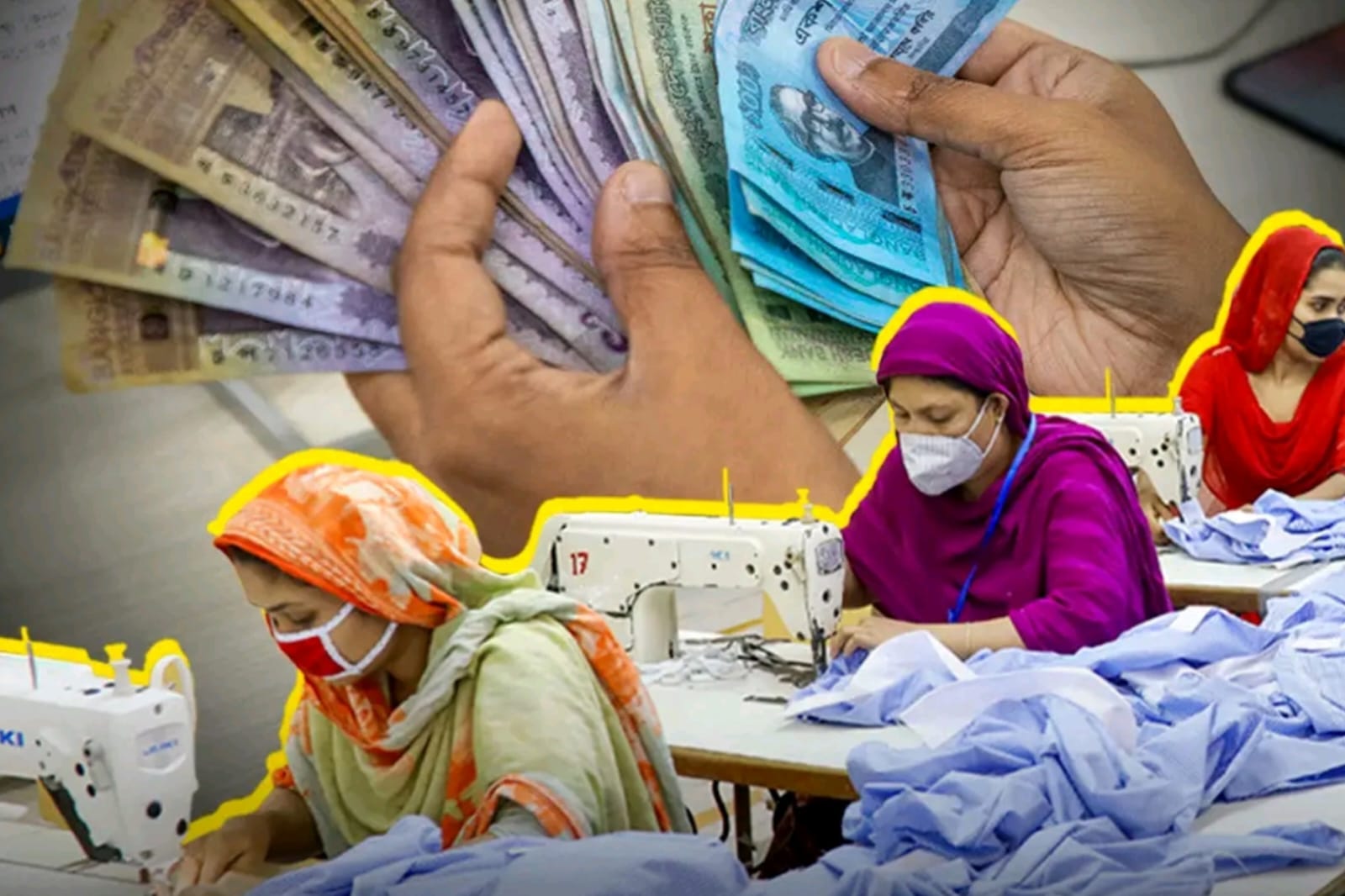
Bangladesh’s trade and jobs depend on its Ready-Made Garments (RMG) industry. But long-term risks come from relying too much on basic clothing items and not having enough market diversity. Global competition, the need to follow rules, and price awareness all mean that strategies need to be changed right away.
Bangladesh needs to focus on value, creativity, and new markets instead of volume-based growth if it wants to get past the barriers that stop RMGs from diversifying.
1. Move up the chain of value
Bangladesh should grow into high-value markets like
- Textiles for work
- Clothes made from man-made fibres (MMF)
- Wear for sports and performance
- Fashion that is eco-friendly and recycled
At the moment, most exports are basic things made of cotton. Putting money into making more MMF and synthetic fabrics will make the country less reliant on imports and more competitive.
2. Make backward connections stronger
The country still imports a lot of raw materials, especially manufactured fabrics. Creating more textile plants, dyeing units, and accessory factories in the area will:
- Cut down on lead time
- Cut costs more efficiently
- Boost value development in the country
Public-private partnerships can speed up the building of roads and industrial parks.
3. Grow your export markets
Bangladesh gets most of its goods from the EU and US markets. To make it less vulnerable, it should
- Look into new areas in Africa, Latin America, East Asia, and the Middle East.
- Make trade deals that are good for everyone.
- Get ready for trade problems after LDC graduation
Diversifying the market keeps things stable when the world economy is hit by changes.
4. Put money into technology and automation
By automating tasks, you can boost output and lower costs. Digital pattern-making and 3D modelling should be promoted in Bangladesh.
- Predicting demand with AI
- Smart tools for making things
Small and medium-sized companies can get help from the government and low-interest loans to upgrade their technology.
5. Train people to be skilled workers
Innovation is limited by a lack of skills. There are training schools for textile engineering
Style of clothing
Managing the supply chain
Making the switch from low-cost manufacturing to high-value production will be easier with sustainable production. Universities and businesses need to work together more than ever.
6. Push for green and sustainable manufacturing
Global buyers are demanding more and more environmentally friendly output. Bangladesh already has the most plants that are green-certified. Increasing the use of renewable energy
- Systems that recycle water
- Strategies for lowering carbon emissions will help brands stand out in high-end markets.
7. Make the infrastructure and logistics better
- Lead times get longer when ports are crowded, and transportation is delayed. Improving: How well the port works
- How to connect roads and trains
Digitising customs will make it more reliable and competitive.
8. Encourage new product development and branding
Bangladesh should stop making things for other companies and start building its own brands. Export margins can be raised by supporting local designers and promoting private brands.
Innovation hubs and research sites can help new fabric lines and fabric developments.
Conclusion
The RMG industry in Bangladesh is at a very important changing point. It is no longer a choice not to diversify. Bangladesh can ensure long-term growth and global success by putting money into technology, skill development, adding value, sustainability, and growing its markets.
The future success of the sector will depend on how well the government, businesses, and banking institutions work together and plan ahead.
FAQs
1. Why is it important for Bangladesh to diversify its RMG?
Diversification makes a business less reliant on basic clothes and small markets. This helps it grow sustainably and bounce back from global shocks.
2. What is the biggest thing that keeps people from diversifying?
Heavy reliance on foreign raw materials and limited production of synthetic fibres are still big problems for the structure.
3. How can technology help the RMG business world?
Automation, digital sampling, and systems that are based on AI all help manufacturers compete in higher-value segments by raising output and cutting costs.
Read Also: Baby Macaque Punch Goes Viral for Heartwarming Bond With Plush ‘Ora-mama’