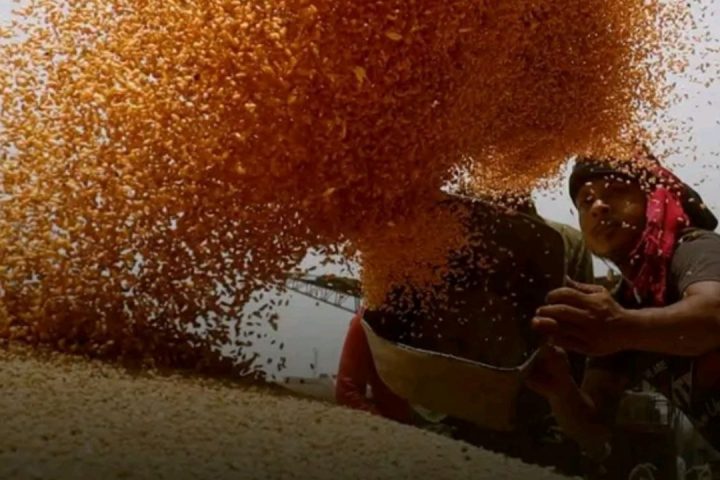
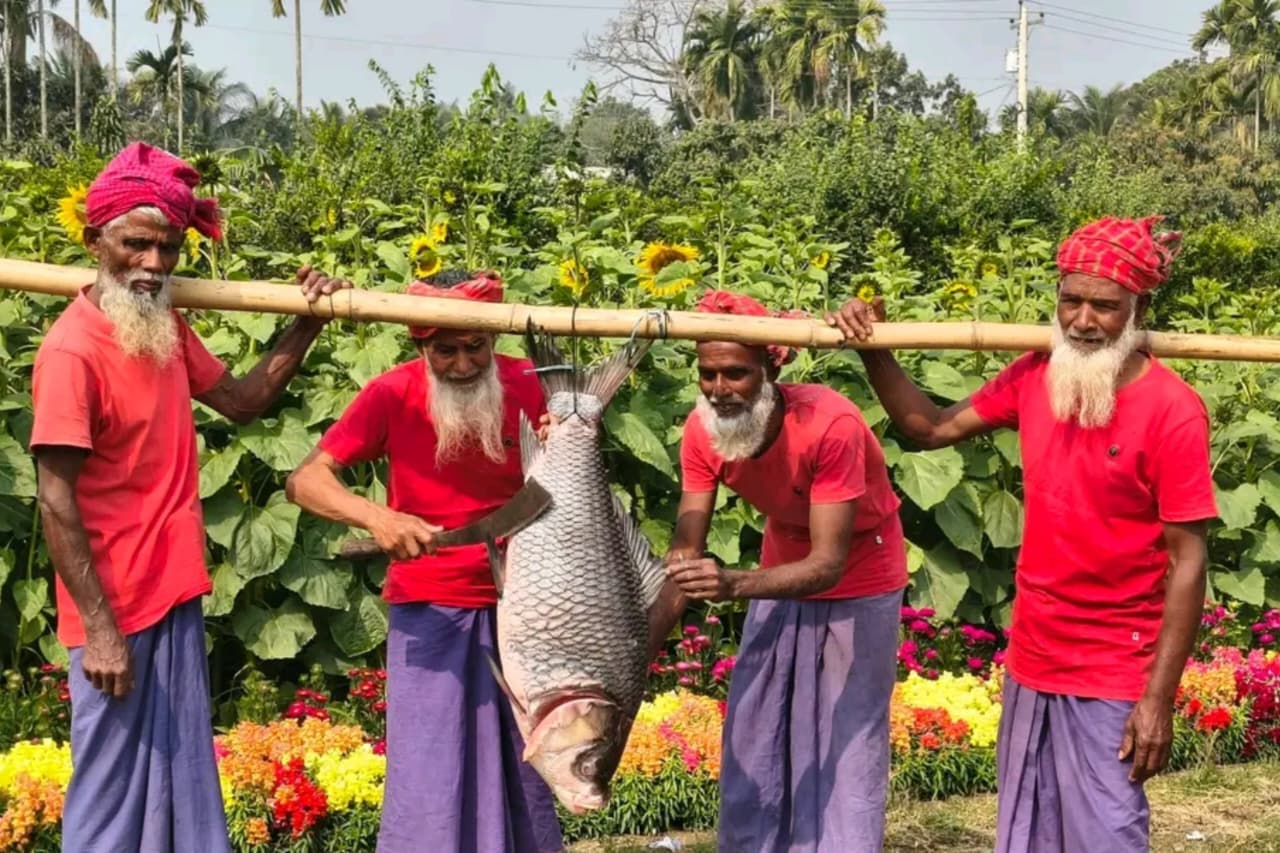
Cooking Videos of Bangladeshi Villages combine rustic cooking with everyday life in rural Bangladeshi villages. They usually include open fire cooking, farm fresh produce, and large communal dining experiences in an outside environment.
Many of the most well-known content creators are from villages such as Shimulia (also known as the “YouTube Village of Bangladesh”), with other creators filming in Shimulia, showcasing different aspects of rural life and preparing for charity cooking events.
These channels appeal to a wide audience, including Bangladeshi Diaspora looking for nostalgic connections to their culture and heritage.
The top five Bangladeshi Village Cooking Channels are:
1. AroundMeBD – known for filming large community charity cooking projects, including preparing whole farmer cow/beef biryani. The channel includes views of communal dining and how farmers/people come together to be generous to their neighbours.
2. Village Grandpas Cooking – elderly villagers cooking large amounts of food. The videos will frequently show how they use traditional spices and prepare food using traditional methods and provide support to local development projects.
3. Shadow of Village – shares a view of what villagers do during their daily life, including how to prepare fish curry, parboil rice, cook water lily dishes, and prepare homemade chitoi pitha.
4. Dodo Explorers – shows how village elders prepare meals together and how they share large amounts of food with everyone by tasting each other’s food, including home-style biryani and many more traditional foods of the villages.
Popular Recipes Featured
| Dish | Description |
| Beef Biryani | Large-scale village preparation using spices like cinnamon, cardamom, and bay leaves, cooked in giant pots over wood fires. |
| Fish Curry | Freshly caught fish simmered with local vegetables and simple spices in a rustic outdoor kitchen. |
| Chitoi Pitha | Traditional rice-based snack cooked in clay molds over open flames, often served during winter mornings. |
Vlogs About Cooking in Bangladesh
1. Real Experience of Country Life
The audience appears to enjoy seeing what farming, pond fishing, and wood-fired cooking is really like.
2. Charitable Cooking on a Large Scale
Many of these videos highlight the generosity of the people by cooking meals for hundreds of villagers.
3. Memories of their Culture
Bangladeshis living overseas enjoy viewing these vlogs and reliving memories of their childhood by watching how villagers generate food in their kitchens while enjoying their meals with family and friends.
4. Sustainable and Farm to Table Cooking
Because food is often harvested from local farms, ponds, and gardens, it demonstrates sustainable and environmentally friendly methods of producing food.
Frequently Asked Questions
1. Why is there so much interest in cooking videos produced in Bangladesh\, especially those filmed in villages?
The attraction of these videos consists of the authentic experience of living in a village, large-scale charity meal preparation, and providing viewers with memories of their culture, whether they live in Bangladesh or other countries.
2. What types of dishes are prepared?
Examples of commonly prepared dishes include beef biryani, fish curry, chitoi pitha, various rice dishes, and vegetable dishes, depending on the seasonal availability of the vegetables.
3. Are meals really being prepared for the entire village?
Yes, it is common in the videos that large quantities of food are prepared for charity events or simply provided to neighbouring communities.
Read Also: What Strategies Can Bangladesh Adopt to Overcome RMG Diversification Barriers?