Since the political instability that erupted last year in 2024, extortion has become more prevalent throughout Bangladesh. This sudden increase in extortion is thought to be due partially to the power vacuum created after the violence caused by the upheaval, which allowed previously organised criminal groups and local tyrants to set up rackets in almost every major city and industry. The targets have generally been businesses, transportation companies, factory owners, and small retailers, and many of these groups have said that a weakening of enforcement capabilities has emboldened these criminal networks.
Consequently, thousands of entrepreneurs have held marches, blocked roads, and engaged in more aggressive police action throughout the country.
Key Causes Behind the Surge in Extortion
Political Instability and Power Gaps
After the 2024 upheaval, there appeared to be a lack of enforcement across many regions. Some local factions and their associates allegedly took advantage of these situations to create demands for regular payments from vendors, transport drivers and factory owners.
Nationwide, there are approximately 50,000 suspects identified who are operating in connection with the criminal activity of post-2024. However, there is a considerable amount of uneven enforcement for these persons.
Organised Rackets Targeting Business
Extortion demands placed on businesses range from street vendors to larger manufacturing units. Small businesses state they pay daily or monthly fees to conduct their businesses without harassment.
Industrial zones, particularly in garment-producing areas, have been subjected to demands by various groups for payments for “security”, for operating without interruption, etc.
Weak enforcement and economic pressures are being faced by the interim governing body; their lack of diligence in identifying and prosecuting offenders has led to criticism. Law enforcement acknowledges the magnitude of the problem; in addition, the economic disruptions caused by extortion have led to increased operating costs and inflationary pressures.
Major Incidents Across the Country
Highway Blockage in Mymensingh Highway blockage by CNG drivers of the Dhaka-Mymensingh highway occurred on 22nd February 2026. The reason for the blockade is because of protestation against alleged extortion gangs who are demanding individuals Tk 70 per day per vehicle, rising from Tk 30. The Highway blockade resulted in traffic delays of many hours until local authorities intervened.
Trader Murdered in Narsingdi A trader in Narsingdi named Sohag was reportedly murdered after refusing to pay 2 lakh takas per month. There are many other similar occurrences throughout the district, so small business owners are fearing for their safety. Since 2024, there have been reports of over 100 murders in relation to this type of extortion.
Disruption of the garment sector in Savar and Ashulia Road Blockades by workers in the industrial zones of Savar and Ashulia ensued after they alleged that there was extortion when attempting to be provided access to jobs. After the road blockades resulted in the closure of approximately 30 ready-made garment (RMG) factories, there was a significant amount of threats, violence, and unrest. To ensure that factories are safe and able to provide their workers with access, the police and the military have started joint patrols in Savar and Gazipur.
Protests and Public Reaction
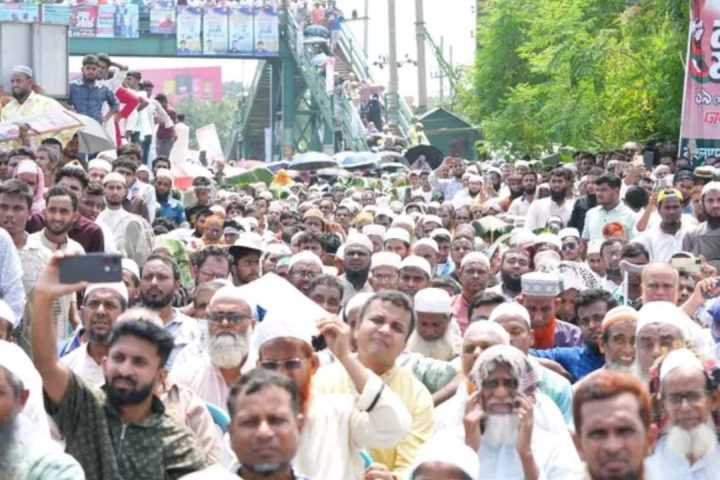
There has been a dramatic increase of public frustration with regard to individuals who commit extortion, as it negatively impacts everyday life. Transport workers and unemployed labourers have protested against extortionists through demonstrations and roadblocks in various locations throughout the country.
Many residents in the capital, including those in Adabar, have taken action against alleged factory robberies and assaults by protesting at the Adabar Police Station, with the result of roads and requiring police intervention.
Both local and regional business association representatives are warning about a potential continued reduction in investment, which will worsen inflation.
Police officers with the Dhaka Metropolitan Police
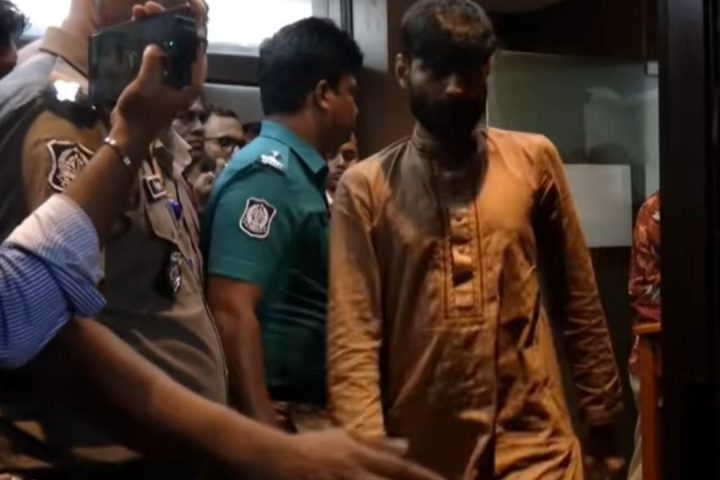
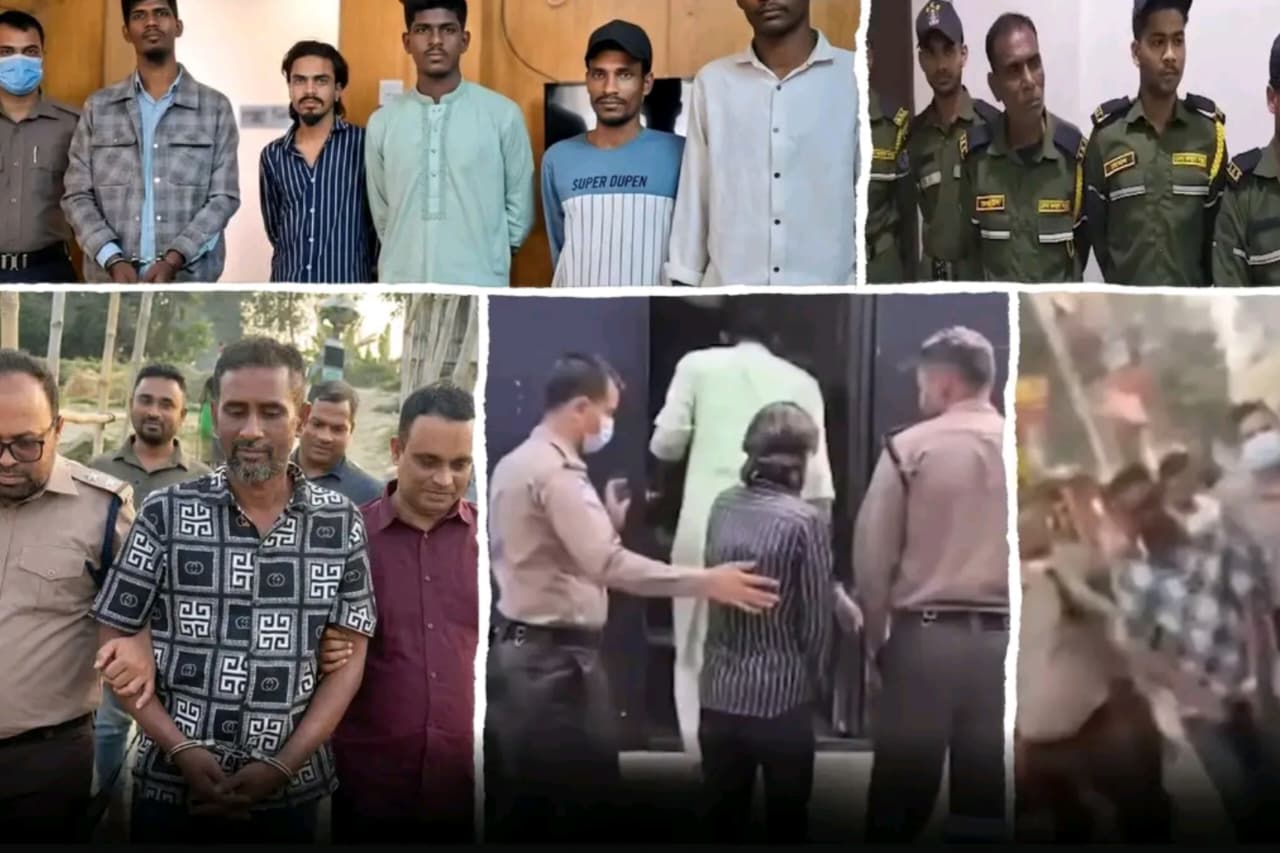
DMP have reportedly identified more than 2500 suspected extortionists currently operating in the capital. Over 1000 suspects have been arrested in recent months throughout Bangladesh.
Law enforcement authorities have conducted a number of combined operations between both police and army units to ensure safety in industrial areas, especially in the garments sector. Some of the suspects have been paraded publicly in front of potential victims, and others as a deterrent against organised rackets.
The authorities are calling extortion a “social issue” to stress both the increase in violence and the price of goods and services caused by the additional informal costs charged by extortionists.
Economic and Social Impact
Due to increased levels of organised crime unjustly taking advantage of businesses and transport providers with extortion, there has been a rise in extortion throughout the following
- small and medium-sized businesses
- the transport network
- the garment factories
- the daily wage earners
- the prices consumers pay
With an increase in operational costs, the companies often turn around and pass this added cost onto consumers in the form of higher prices, causing inflation and strain on our economy.
According to professionals, restoring strong governance, expediting prosecution against criminal enterprises and providing political stability is necessary for the reduction of this crisis.
FAQ
1. What are the main reasons for the increase in extortion cases in Bangladesh since 2024?
Political instability following the 2024 coup caused a gap in enforcement, which allowed organised criminal enterprises to abuse businesses and transport providers.
2. What industries have been most affected by extortion?
The ready-made garment sector, transportation sector and small businesses have been affected the most by extortion.
3. What are the law enforcement authorities doing?
Police have identified thousands of criminals and made over 1,000 arrests nationwide. There are joint army and police operations in industrial zones to help protect the factories and workers.
Summary
Bangladesh faces rising extortion following the 2024 upheaval. Businesses, transport workers, and factories report widespread rackets, prompting protests and nationwide police crackdowns.
Read Also: Silver Prices in Bangladesh Rise 8.49% as Safe-Haven Demand Drives Rally