
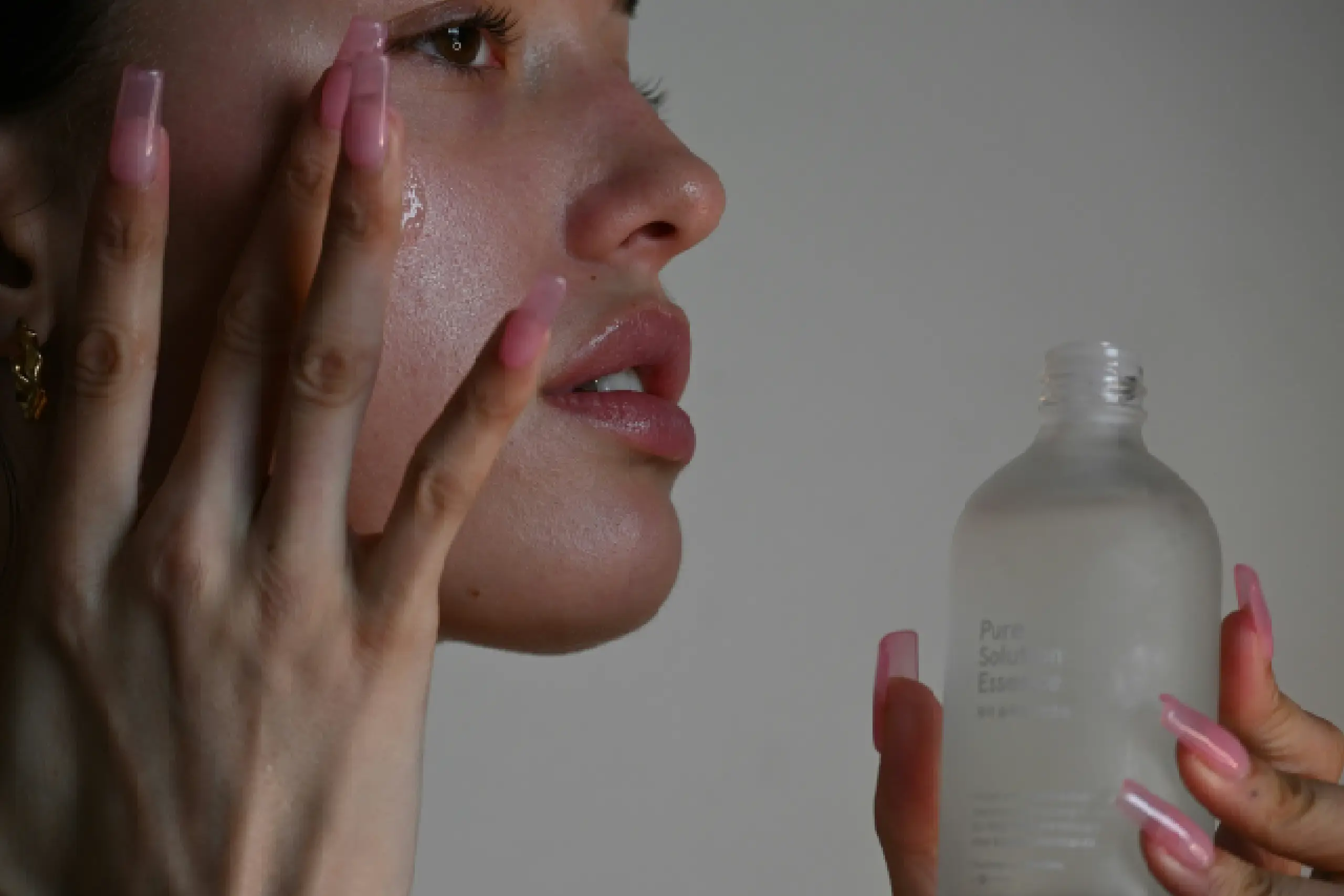
Supermarket shelves in Dhaka, Chittagong and divisional cities are telling a different story. Once the stars of the retail display, imported skincare products are quietly giving way to locally manufactured alternatives – and Bangladeshi consumers are taking notice. Higher import costs, currency pressures on the Taka, and rising awareness of locally sourced ingredients have put homegrown brands in the spotlight. Here are three names leading the way.
1. Aromatic – The Mass Market Staple Going Premium
Aromatic has been a household name in Bangladesh for decades but in 2025 the brand has moved beyond basic personal care into structured skincare lines. Now its moisturizing face creams, sunscreen lotions with SPF protection and herbal cleansers are available in Shwapno, Meena Bazar and Unimart outlets across the country. Aromatic’s products are priced far below imported products (BDT 120 to BDT 450) and their formulations are dermatologically safe and suitable for the humid climate of Bangladesh. Now, with a broader retail footprint, the brand is a real competitor for supermarkets for the first time.
2. Keya Cosmetics – A Heritage You Can Trust, A Modern Reformulation
For decades, Keya has been making skincare and personal care products in Bangladesh, but recent reformulations have brought the brand right into the conversation on modern skincare. Its glycerin-based moisturisers, fairness creams and aloe vera gel ranges have been reformulated with cleaner ingredient lists and better packaging, responding to a key criticism from younger consumers. Keya products are available in all major supermarket chains and neighbourhood pharmacies and are priced between BDT 80 and BDT 350, bringing quality skincare far outside the premium retail zones of Dhaka.
3. Jui – Natural Ingredients, Trust from Local
Jui has created an identity of her own, celebrating the botanical heritage of Bangladesh. Neem, turmeric, multani mitti and rice water dominate its product portfolio, striking a chord with consumers wary of chemical-heavy imported formulas. Jui’s face wash, scrub and day cream combinations, priced between BDT 150 and BDT 500, are now appearing on shelves at growing numbers of Agora and Lavender supermarkets. The brand’s clean label and affordable pricing have been particularly popular with women aged 18-35 who are looking for effective alternatives without the import premium.
Discover More Stories Worth Your Time
How Can You Apply for the Progoti Pension Scheme?
Check eligibility, required documents, and bank application steps.
How Can You Get Emergency Funds Through the BRAC Shubidha App?
Learn the application process and eligibility for instant financial support.
How Can You Claim Up to BDT 10 Lakh Tax Rebate?
Explore eligible investments and tax-saving opportunities before the fiscal year ends.
Need Emergency Funds Through BRAC Bank?
Check how to apply using the Shubidha App and access quick financial assistance.
How Much Is Your June Electricity Bill?
Calculate your June bill under the new BERC electricity rates.
Why Local Is Winning Big Right Now
Import duties and dollar pricing make many international brands of skincare unaffordable for most everyday budgets, giving local manufacturers a structural advantage. Bangladeshi brands also have an advantage in that they develop products for the region’s unique skin types, humidity levels and seasonal demands – something that global brands rarely focus on. And with supermarket buyers increasingly favouring locally produced goods to manage supply chain reliability, 2025 might well be the year Bangladeshi skincare makes the leap from backup option to first choice.
Summary
Three homegrown Bangladeshi skincare brands are winning consumers away from expensive imported products with affordable pricing, local ingredients, and growing supermarket availability in 2025.