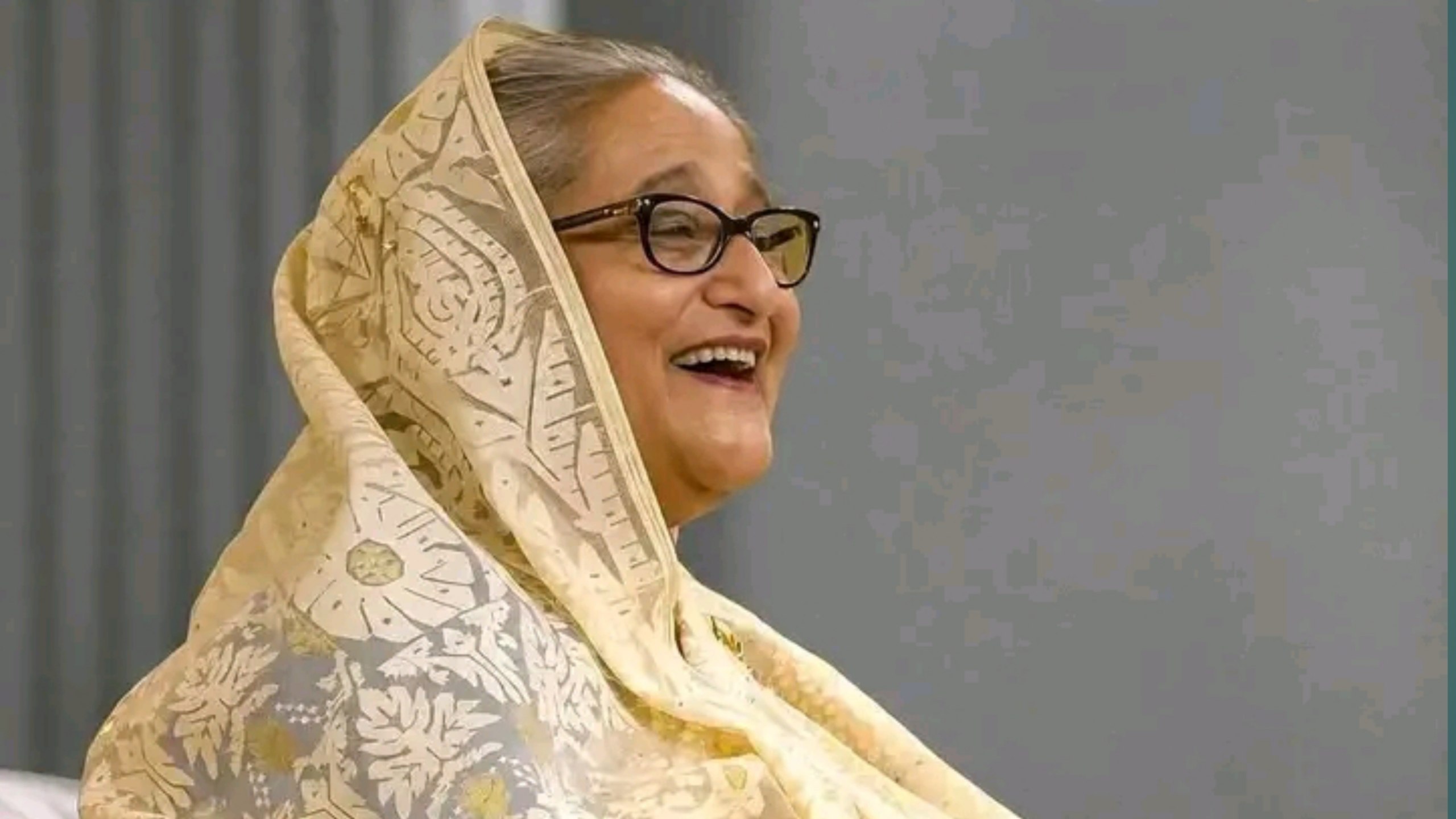
Almost nine months after the International Crimes Tribunal of Bangladesh sentenced former Prime Minister Sheikh Hasina to death for crimes against humanity, the issue of accountability is stuck in limbo, caught between a Bangladeshi government demanding her return and an Indian government that has refused repeatedly to act on extradition requests.
The decision that changed everything
On November 17, 2025, a three-judge panel of Bangladesh’s International Crimes Tribunal convicted Hasina in absentia on charges related to the deadly crackdown on student-led protests in July and August 2024, a crackdown the United Nations estimates killed up to 1,400 people.
The tribunal convicted her on charges of incitement, ordering killings and failing to prevent atrocities, among other counts, and sentenced her and former home minister Asaduzzaman Khan Kamal to death. Former police chief Chowdhury Abdullah Al Mamun, who turned state witness and helped investigators, was sentenced to five years in prison instead. Hasina, who had been in power for more than 15 years, was driven from office in August 2024 following mass protests that forced her to take refuge in India.
India’s stony silence on extradition
Bangladesh formally sought her extradition in November 2025, citing a bilateral treaty signed in 2013 when Hasina was prime minister and the two countries had close ties. It was Dhaka’s third such request since her ouster.
India’s foreign ministry has offered little more than to say that the request is being examined as part of ongoing judicial and internal legal processes. Analysts say the 2013 treaty also contains a clause that allows extradition to be denied if the charge is deemed to be political in nature – a provision Hasina’s legal team could use to resist any handover. India’s 1962 Extradition Act also gives the central government wide discretion in such matters, adding another layer of legal ambiguity to the standoff.
Why India is holding back: Analysts say New Delhi’s hesitation is the result of a mix of strategic and political calculations. India’s relationship with Hasina goes back decades, and some analysts say New Delhi might view her continued sanctuary as a way to gain leverage in a Bangladeshi political arena that has increasingly slipped outside of India’s traditional sphere of influence. Meanwhile, bilateral relations between the two countries have deteriorated sharply since her fall, and India’s neighbourhood policy is under the scanner for its failure to maintain a stable relationship with Dhaka’s new leadership.
Hasina’s Own Strategy for Return
In a dramatic turn, Hasina said to Reuters in July 2026 that she intends to return to Bangladesh voluntarily around December, saying she was prepared to surrender and face the consequences, even admitting the possibility of arrest or worse.
A voluntary return would effectively render the question of extradition moot, as Bangladeshi authorities could simply detain her upon her arrival in the country under the existing tribunal warrant and sentence. She also continued to speak out publicly from India, including a virtual address to journalists in New Delhi in early August 2026, where she continued to defend herself against the tribunal’s findings.
Discover More Stories Worth Your Time
Why Is the UAE Hosting Historic Peace Talks?
Learn how the UAE facilitated a major prisoner exchange involving 314 detainees.
Why Are the World’s Wealthiest Choosing Dubai?
Explore the key factors making Dubai the preferred destination for global elites.
What Makes the Abrahamic Family House Unique?
Discover how this landmark promotes interfaith harmony and cultural understanding.
What Peace Deals Has Trump Brokered?
Explore the major diplomatic agreements shaping his second presidential term.
Does the U.S. Still Import Russian Uranium?
Find out Trump’s response and what it means for U.S. trade and energy policy.
Fairness of the Trial Controversies
Even the legitimacy of the verdict itself is disputed. Hasina was tried in absentia with a state-appointed defence lawyer who critics say lacked experience in international criminal law and struggled to mount a substantive defence in what some have described as a hostile environment.
Backers of the ruling say the tribunal was based on a wealth of documentation of the 2024 killings and say the verdict reflects a long overdue accountability for a government that has been accused of authoritarian excess. Hasina’s own administration actually established the same tribunal to prosecute her political rivals, and her critics and supporters have seized on this fact for very different reasons.
Where the Crisis Goes Next
Bangladesh’s next general election is due in the coming months, and political tensions still simmer in Dhaka with the question of Hasina’s fate unresolved and relations between the two neighbours strained.
If she goes ahead with her announced intention to return voluntarily, the standoff could be resolved long before it even reaches the extradition process. If she does not, the crisis is likely to remain a persistent source of friction between Dhaka and New Delhi, testing both countries’ willingness to set aside long-standing political alliances in favour of legal accountability.
Summary: Sheikh Hasina’s death sentence for crimes against humanity has left Bangladesh and India locked in a diplomatic standoff over extradition. With Hasina vowing to return voluntarily by December, the crisis is entering a critical new phase.