
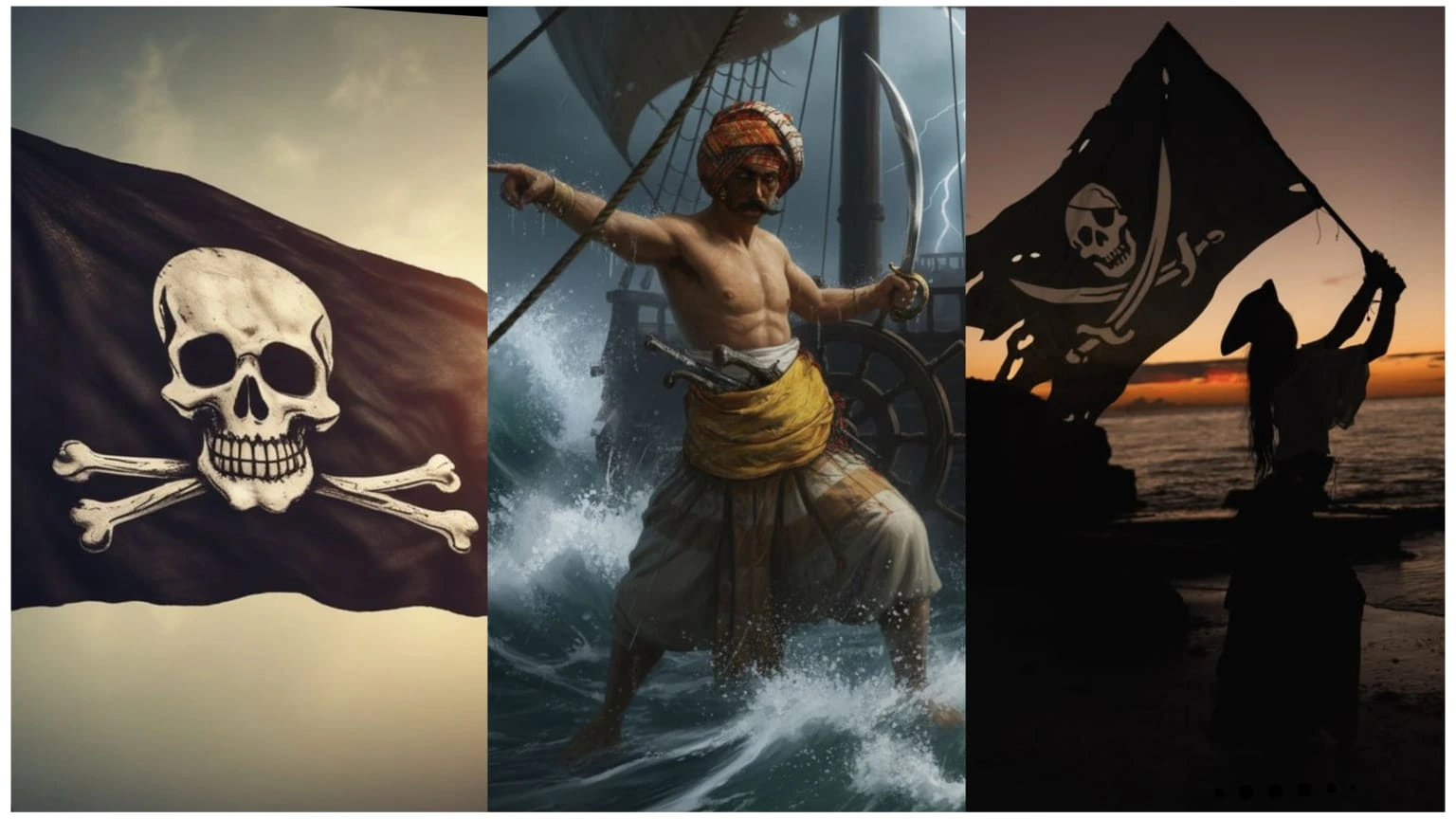
When a government office works only through bribes, when a market has no rules, or when a road is ruled by whoever is loudest, a Bengali speaker often reaches for one phrase: Moger Mulluk. Newspapers use it for failed sectors, artists use it as a title for chaos, and even a Bangla film took its name from it. The meaning is clear to everyone: a place of complete lawlessness. Fewer people know that the phrase is a piece of memory, carried for about four centuries.
Who Were the Maghs?
In old Bengali usage, Magh, or Mog, was the word for the people of Arakan, the coastal kingdom on the other side of today’s south-eastern border. Today it is also applied to the Marma and Rakhine communities. Where the word itself comes from is debated. One theory ties it to Magadha, the land of the Buddha. Another links it to a Sanskrit word for a sea-bird, and so for a pirate. Scholars note that it is not a Burmese word at all, which tells us it was a name given from the Bengali side.
Raiders on the Rivers
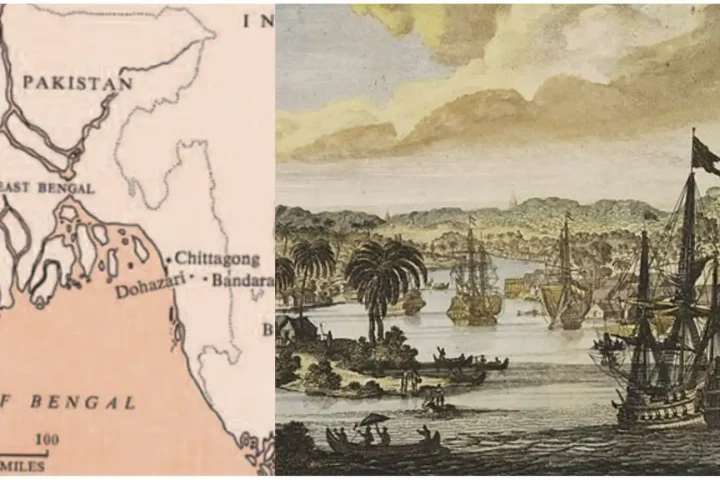
The trouble began in earnest in the 1600s. The Arakan kingdom held Chittagong, and its sailors, together with Portuguese adventurers and mercenaries who had settled around Sandwip and the coast, struck at the delta.
A historical survey from the 1920s describes the pirates of Sandwip, whether Arakanese or Portuguese, as nominally subjects of the Arakan king, who kept terrorising Bengal for around fifty years. Banglapedia notes that Portuguese society in Bengal split into official merchants and private adventurers, with the line between trader and pirate often blurred.
Villages along the Dhaka to Chittagong waterways lived in fear. People were captured, boats were burned, and settlements emptied. Writers of the time and later folk literature kept the terror alive. This is how the word Magh became tied to the idea of a tyrant, and Magher Mulluk to tyranny, according to scholars who have traced the phrase.
How Real, and How Big?
Historians today are careful here. A recent analysis argues that, despite our fascination with Magh raids, Bengal did not see a large-scale slave trade. It describes the raids as a symptom of a deeper crisis in south-east Bengal, shaped by environmental pressure and a power struggle in the region, in which Arakan’s authority was being challenged. In other words, the fear was genuine, but the story is more complicated than a simple tale of villains and victims. The Mughals themselves struggled to stop the raids for decades.
The Mughal Answer
Mughal governors tried several times. Man Singh, who served as subahdar of Bengal from 1602 to 1604, built a coastal navy to counter the threat. The decisive move came in 1666, when Shaista Khan, governor of Bengal from 1664 to 1688, conquered Chittagong from Arakan. The city was renamed Islamabad for a time. Some writers say raiding continued in smaller form for much longer, but the large-scale Arakanese hold on Chittagong was over.
From History to Everyday Speech
Once the raids faded, the phrase stayed, as many proverbs do, detached from its events. Today people use it without thinking of Arakan at all. It simply means chaos with nobody in charge.
A Note on Using It
Because the phrase names a people, it is worth remembering who it was about. It refers to a particular era of raiders and the political tangle around them, including Portuguese participants, not to the Marma and Rakhine communities who live in Bangladesh today as fellow citizens, many of them in the hill districts and along the coast. Many writers now suggest using the proverb thoughtfully, and being clear that it is history, not a description of any community.
The Bottom Line
Moger Mulluk is a small phrase carrying a big story. It tells us how fear of the sea and the rivers shaped Bengali speech, and how a few years of terror in the 1600s can sit inside a sentence for centuries.