
When Art Dhaka opened its doors, the biggest question was simple: would people actually buy? The city has hosted respected exhibitions for years, but a commercial fair, where works are sold directly to the public, was new territory. By the time the five days ended, the answer looked encouraging. More than half the artworks on display sold, and the most expensive piece changed hands at Tk 25 lakh, or 2.5 million taka.
What Visitors Saw
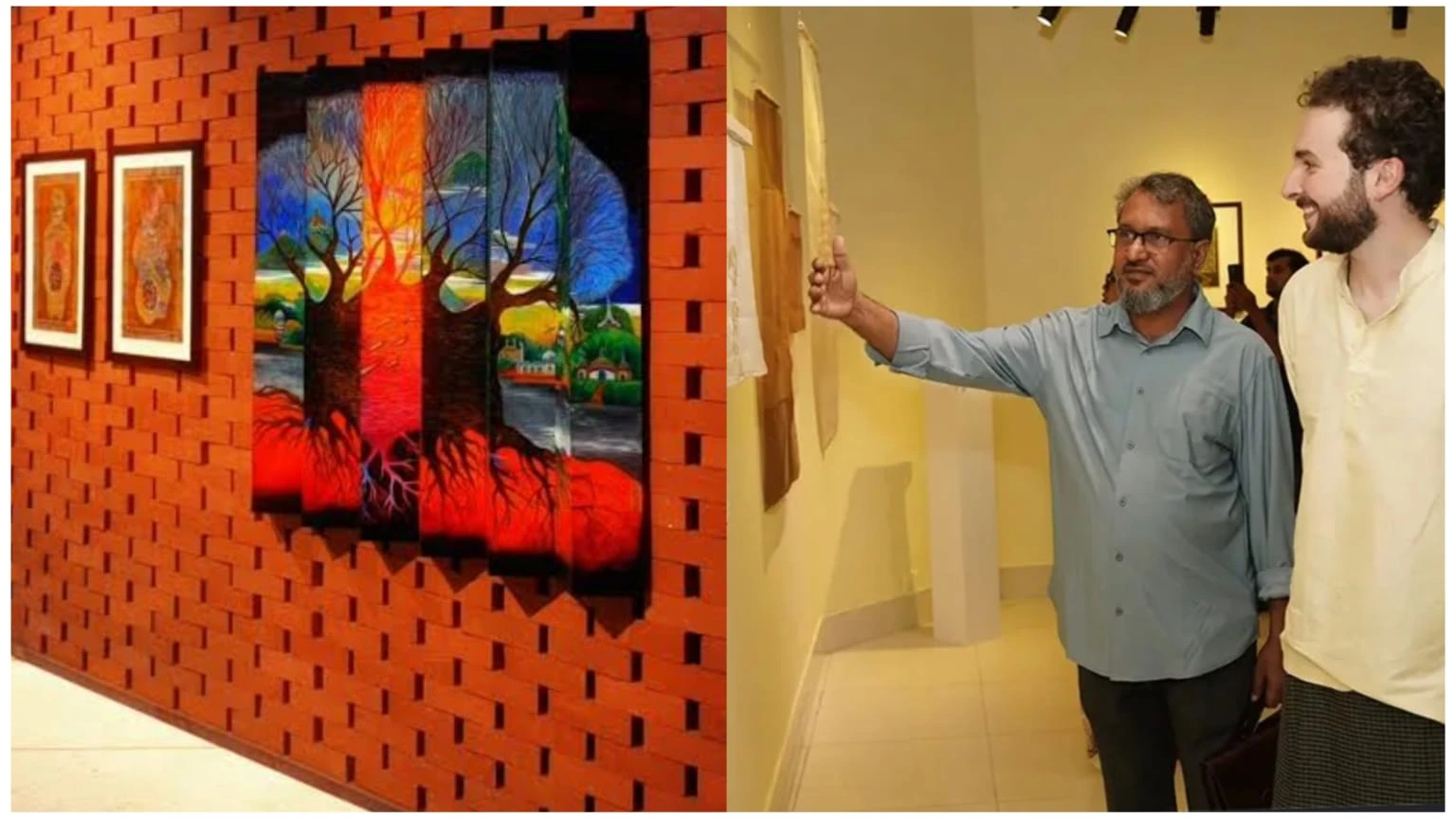
Held at Aloki, a former garment factory turned cultural hub in Tejgaon, the fair brought together works by more than 130 emerging and established artists across paintings, sculpture and printmaking. Tickets cost Tk 350. The main fair had two curated sections, Chronicles on the ground floor and The Still Point upstairs, while a glasshouse section carried works by master artists. A pavilion designed by architect Rashed Chowdhury and a programme of talks, performances and architecture added to the mix.
Sales Started Early
Sales representatives told UNB that a few works sold at the Thursday special preview, and that buying picked up after the fair opened to the public on Friday, when visitors showed considerable interest. Several artists said their works found buyers during the fair, and they described meeting collectors face to face as an encouraging experience.
Art for Everyone, Not Just the Wealthy
The tagline was Art for All, and the pricing reflected it. A printmaking pavilion offered works from Tk 5,000, with live press demonstrations so first-time visitors could see how prints are made. One organiser said a main goal was to make artworks available at affordable prices to the general public, collectors and art lovers alike.
That matters because Bangladesh’s private art sector has long been thin. A 2017 estimate put the annual turnover of the painting market at around Tk 1 billion, with galleries struggling because of high operating costs and too few collectors. The country’s best-known art event, the Dhaka Art Summit, is a non-commercial platform with no sales. Art Dhaka was designed to fill that gap.
The Tk 25 Lakh Question
A top price of Tk 25 lakh is significant for a local fair, but it is modest next to what Bangladeshi masters now fetch abroad. In September 2024, a Zainul Abedin painting sold at auction for more than 690,000 US dollars, the highest price ever paid for a Bangladeshi work at auction. The comparison shows how much room there is for the home market to grow, and why organisers want more local patrons to take part.
Building a Culture of Collecting
Founders Durjoy Rahman, Nahar Khan, Fahd Sattar and Aumia Khundkar have said the first edition was about proving there is local patronage. They want students, young professionals and first-time buyers to see art as something they can own. Future editions may be held beyond Aloki and open to international galleries and artists.
One strong first edition does not build a market overnight. Galleries, artists and buyers will need steady events, fair pricing and trust. But the early signs- a crowded venue, brisk sales and a mix of affordable and high-value works- give the sector something it has lacked for a long time: proof that people in Dhaka are ready to spend on art.
The Bottom Line
Art Dhaka started with a modest promise and delivered more than that. If the interest of these five days carries through to next year, the fair could become a real turning point for Bangladeshi artists and the people who collect their work.