
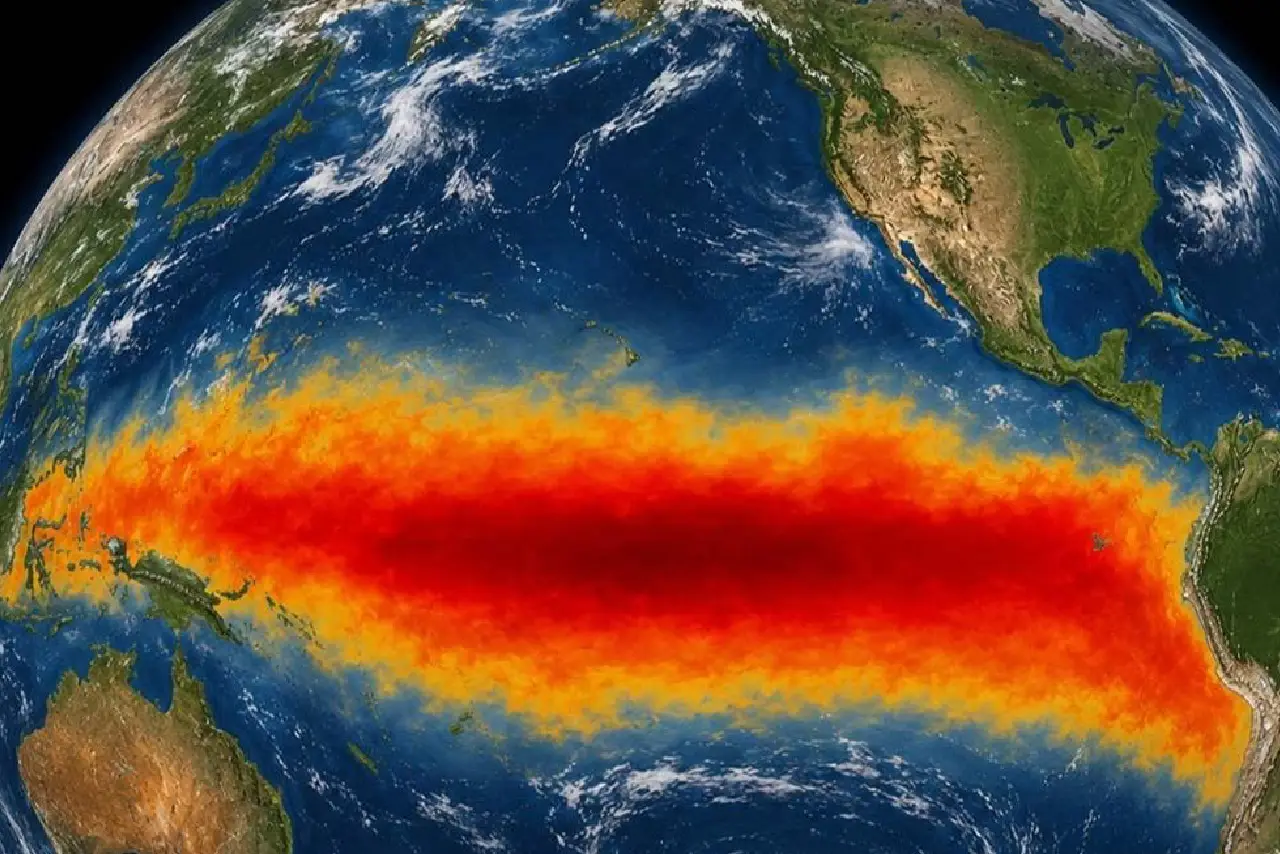
Bangladesh is already feeling the heat warning now affecting the country due to El Niño. In June 2026, the US weather agency NOAA confirmed that El Niño conditions had formed in the Pacific Ocean and are likely to strengthen into the rest of the year. This pattern typically causes temperatures to rise across South Asia, and Bangladesh is no exception. With heatwaves already affecting dozens of districts, it’s important to know what’s going on, what it means for agriculture and how families can keep safe.
El Niño and Its Effect on Weather in Bangladesh
El Niño is a natural warming of ocean water in the central Pacific that occurs every few years. It’s not the direct cause of Bangladesh’s heat, but it tips the scales toward hotter, drier conditions, and can cut monsoon rains. Bangladesh could experience eight to ten separate heatwaves in the next three months, with three to four of them in June alone, officials of the Bangladesh Meteorological Department (BMD) said. Experts say the worst of El Niño may not impact Bangladesh as it is developing later in the year, but the effect of the heat is already being felt on the ground.
BMD Real-time Temperature Reports
Mild to moderate heatwaves are prevailing in Rangpur, Rajshahi, Dhaka, Khulna and Barishal divisions as of mid June 2026. Jashore recorded the season’s highest temperature of 38.6°C, whereas Rajshahi recorded 40°C, which is categorised as a severe heatwave by the BMD. Chuadanga remained over 39°C for three consecutive days. BMD defines heatwaves in four levels:
•Mild heat wave: 36 to 39.9°C
•Moderate heat wave 38 to 39.9 °C
•Intense heat wave: 40 to 41.9°C
•Extreme heatwave: above 42°C
Conditions can change within a week, so you can keep up with daily BMD bulletins on their website or via weather updates on national TV and radio.
Farmer Agricultural Safety Rules
Heat stress can damage crops quickly, and the Department of Agricultural Extension (DAE) has given clear guidance for this season:
•Keep 2-3 inches of standing water in boro paddy fields till grain hardening, save rice from heat damage
•During extreme heat, water generously at the base of water mango and other fruit trees, and lightly sprinkle water on branches
•Schedule two to three more irrigations weekly for vegetables,s depending on soil type
•Do not over-fertilise during the hottest part of the day, as this can stress plants further
•Shade and extra water for livestock and poultry; keep grazing animals away from midday heat
Farmers who depend on seasonal income are particularly vulnerable when heat reduces yields. Many government subsidies and relief payments are now being disbursed through mobile financial services such as bKash and Nagad, which help rural households access support without travelling to a bank branch. Bangladesh Bank has also encouraged banks and mobile financial service providers to keep these channels running smoothly during emergencies, so farmers should keep their MFS accounts active and properly registered.
Family Guide to Surviving the Heatwave
Heat isn’t just affecting crops. Doctors and the Red Crescent warn that the longer the heat lasts, especially at night inside, the greater the risk of dehydration, heat exhaustion and heat stroke. Children, the elderly, pregnant women, outdoor workers and low-income families living in tin sheds or poorly ventilated houses are especially at risk.
Quick Checklist: How to Stay Safe in Intense Heat
•Drink plenty of water during the day, even if you don’t feel thirsty
•If you can, try to stay indoors between 11 am and 4 pm
•Wear light, loose, light coloured cotton clothing
•Keep ORS or homemade saline water at home, especially for children and the elderly.
•If you do not have air conditioning, use wet cloths, fans or cross ventilation
•Visit elderly neighbours and relatives living alone
•If your work allows flexibility, don’t do heavy outdoor labour in the peak afternoon hours
Watch for warning signs such as dizziness, nausea, rapid heartbeat or confusion and seek medical help immediately if they occur.
Staying Updated
Follow BMD updates daily, listen to local radio bulletins and be aware of any school closure announcements on days of severe heatwaves, as authorities have closed schools during past extreme heat events. Heat conditions can change quickly.
Conclusion
This heat pattern, driven by El Niño, is projected to last through the summer, so it is best to plan rather than react when the heat arrives. Make sure you have proper irrigation for your crops, hydration and shade for your family, and have your mobile financial accounts ready in case relief support is announced. The best defence is today’s information tomorrow.
Summary:
Bangladesh is facing an El Niño-driven heatwave with temperatures crossing 40°C in several districts. This guide explains the latest BMD warnings, farming safety rules, and practical steps to protect your family, crops, and income during extreme heat.