

How people save money in Bangladesh is changing. For decades millions of families put their faith in Sanchayapatra (national savings certificates) as a safe investment. But a new financial trend is now emerging: Bangladeshi banks are increasingly promoting digital accounts, mobile banking services and cashless transactions over traditional savings methods. Banks are pushing customers to go digital, from opening accounts online to paying instantly with mobile apps. It is part of a broader transformation of the banking sector in Bangladesh as the country moves toward a technology-driven economy.
Why Are Banks Moving Customers Toward Digital Accounts?
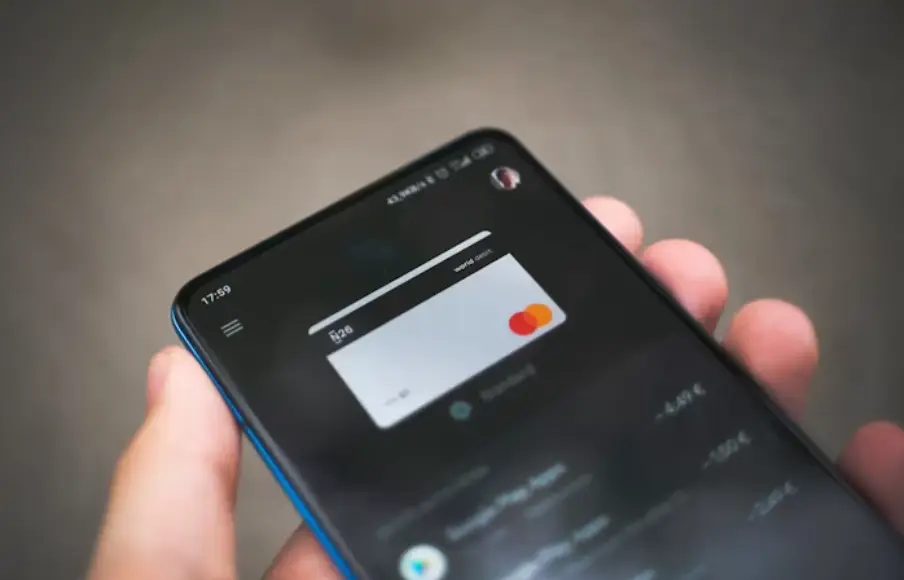
The most important is convenience. Traditional banking usually requires customers to go to branches, fill out forms and wait for services. With digital accounts, users can open accounts, transfer money, pay bills, and track savings on their smartphone. Digital services also cut banks’ operational costs. Less paper, faster processing, better management of customers and fewer physical transactions. Bangladesh Bank is actively encouraging the growth of digital payments through programs like Bangla QR, which is aimed at decreasing dependence on cash transactions and increasing digital financial inclusion.
Sanchayapatra Remains Popular Among Conservative Investors
In the era of digital banking, Sanchayapatra Bangladesh is still a popular savings instrument for the elderly, pensioners and people looking for government investment instruments. Sanchayapatra is considered safe and provides predictable yields, so many investors are keen on it. But recent conversations about banking services have raised questions as to whether some customers are being discouraged from buying savings certificates. Bangladesh Bank has recently directed the commercial banks not to discourage customers from purchasing Sanchayapatra and to extend smooth services to the investors. This demonstrates that the role of traditional savings instruments in the financial system continues to be relevant, while digital banking is on the rise.
The Rise of a Cashless Bangladesh
The shift to digital accounts is part of Bangladesh’s broader ambition to build a cashless economy. As mobile banking, internet banking and QR-based payment become more prevalent, customers are slowly changing their financial habits. The speed and convenience of digital payments makes them a popular choice among small businesses, retailers and ordinary consumers. Bangladesh Bank has been working to build a stronger digital payment infrastructure, including asking banks and financial institutions to ramp up customer registration on mobile apps and increase digital transaction adoption.
Discover More Stories Worth Your Time
Which Bank Offers the Best SME Loan in Bangladesh?
Compare interest rates, benefits, and eligibility to choose the right financing option.
How Will Bangladesh’s New Budget Affect Your Daily Expenses?
Learn which everyday essentials are becoming more expensive under the latest national budget.
How Can You Avoid Fake Overseas Job Offers?
Learn the safest ways to verify foreign job opportunities before paying any recruitment fees.
What Does the HSC 2026 Exam Suspension Mean for Students?
Get the latest updates on exam postponements caused by the ongoing flood crisis.
Why Are So Many Garment Workers Losing Their Jobs?
Understand the factors behind Bangladesh’s latest apparel industry layoffs.
What Does This Mean for Ordinary Customers?
The shift is both a potential benefit and a risk for ordinary savers. Digital accounts make it easier to access financial services. Customers can transact money at any time without visiting a branch. The younger generations, especially those who use smartphones, will likely benefit the most. But older customers and those living in areas with limited internet access may still prefer traditional banking methods such as Sanchayapatra and branch-based services. Financial experts say the future is not about one system replacing another. Instead, the financial sector in Bangladesh is likely to see a coexistence of digital banking and traditional savings products.
Banks’ Digital Push Could Change Saving Habits
The growth of digital accounts is part of a wider trend in banking as technology is transforming the way people save and spend money worldwide. Digital platforms enable banks to reach more customers and provide services faster. They offer consumers convenience and more control over personal finances. But keeping the trust is going to be more important. “Banks need to ensure strong cybersecurity, transparent policies and easy access for customers who are less familiar with digital technology.” The digital banking and Sanchayapatra relationship remains a significant topic for millions of savers in the digital transformation of Bangladesh.
Summary:
Digital banking is growing rapidly in Bangladesh, but traditional Sanchayapatra remains popular. Here’s why banks are pushing digital accounts and what it means for customers.