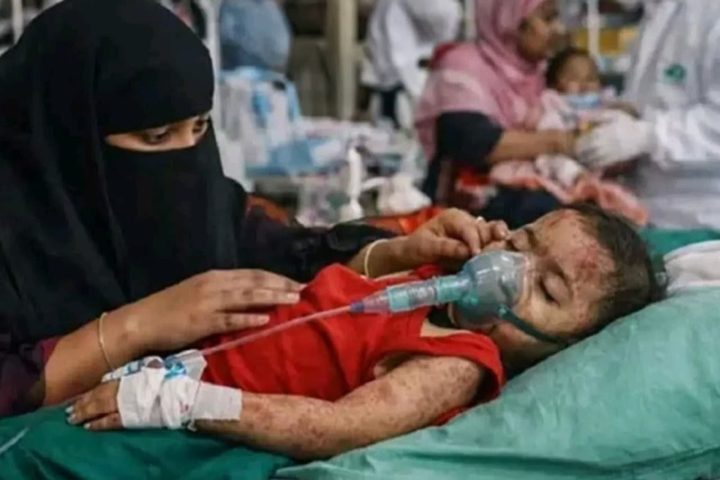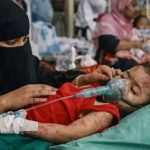

Bangladesh was supposed to have seen the last of measles. The country had made real progress on elimination through nationwide immunisation drives, and routine coverage for young kids was a public health success story. But Bangladesh has been hit by a nationwide outbreak since mid-March 2026 that has spread to virtually every district and shown how fast immunisation gains can unravel.
The Size of the Outbreak in Bangladesh
The figures show how quickly things got out of hand. The Directorate General of Health Services said that by late June the country had registered around 92,790 suspected cases of measles and 11,011 confirmed cases in laboratory tests, along with 680 suspected and 93 confirmed deaths due to measles. Cases have been reported in 58 of the country’s 64 districts in all eight divisions, with the major brunt of the burden stacked in Dhaka, Rajshahi, Chattogram and Khulna. Some 79 per cent of reported cases are children under five years of age, and a third are infants less than nine months, too young for routine vaccination.
How It All Started in Bangladesh
The main reason is a lack of immunity developed over years. Besides routine vaccination from nine months of age, Bangladesh usually conducts nationwide measles-rubella campaigns approximately every four years. No such campaign had been conducted since 2020, first due to disruptions caused by the pandemic and later due to the country’s political transition, which delayed vaccine procurement and planning of campaigns. A parliamentary and public health review later found that a decision to change the vaccine supplier during the interim government period contributed to a disruption in vaccine supply, further widening the immunity gap just as population growth added a new cohort of unvaccinated children.
Why It Spread So Quickly
Measles is extremely contagious, and the science behind that is key to understanding why coverage gaps are so dangerous:
- The basic reproduction number of the disease is between 12 and 18, meaning one infected person can pass it on to dozens more in an unprotected population
- Herd immunity requires about 92 to 95 per cent coverage of vaccinations to stop ongoing transmission
- The virus can spread fast among unvaccinated households in crowded, informal urban settlements, such as those in Dhaka’s Kamrangirchar, Korail and Mirpur areas
- After Vitamin A supplementation was interrupted in 2025, many children became more vulnerable to severe complications once infected
The Emergency Response of The Authority
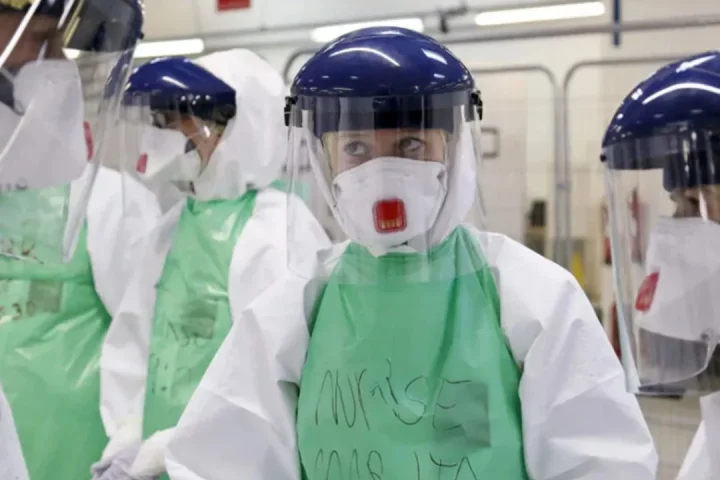
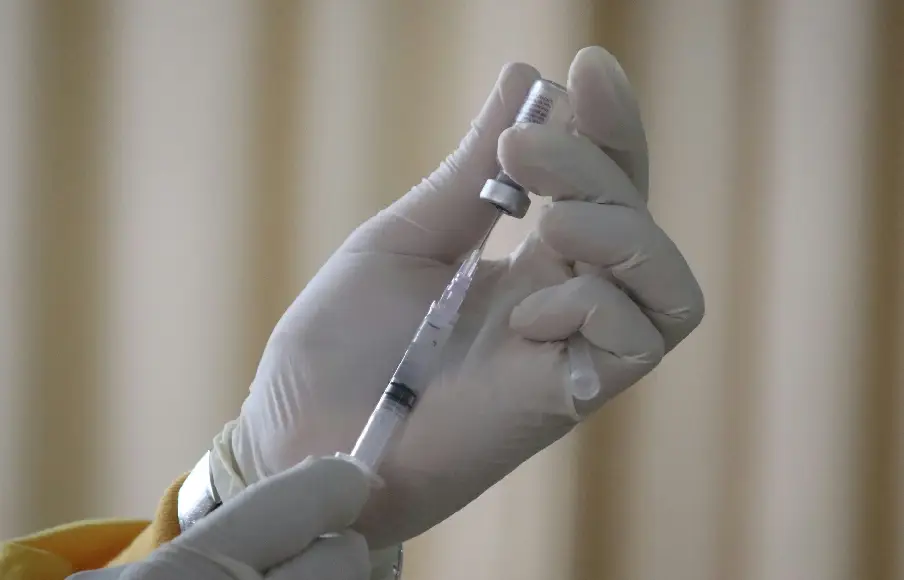
On 5 April, the government launched an emergency vaccination campaign with support from UNICEF, WHO and Gavi, initially targeting 30 high-risk upazilas, with plans to expand nationwide by late April. To protect the most vulnerable infants more quickly, authorities in outbreak areas lowered the minimum vaccination age to six months, below the routine nine-month schedule. The emergency campaign had reportedly reached its target of vaccinating 18 million children by May.
A Warning Beyond Bangladesh, including South Asia
Health experts say that outbreaks like this are rarely contained. Cross-border movement into neighbouring countries and international travel increase the risk of exported cases, and global health bodies have flagged Bangladesh alongside Mexico, Guatemala and parts of Africa as regions of concern heading into a summer of major international travel and events.
Discover More Stories Worth Your Time
Where Can You Find the Best Grocery Deals in Bangladesh?
Compare prices and save on everyday essentials.
How Can You Report a Power Outage to BPDB Quickly?
Learn how to report outages and get electricity restored faster.
How Can You Apply for Government Disability Benefits?
Check eligibility, required documents, and application steps.
How Can Students Open a Bank Account in Bangladesh?
Learn the eligibility, documents, and account opening process.
What Does BERC’s Tariff Decision Mean for Consumers?
Find out how the new decision affects your electricity bill.
Conclusion
The story of the measles outbreak in Bangladesh is less about vaccine science failing and more about the fragility of immunisation systems when campaigns lapse, and supply chains falter. But public health researchers have warned that, in the absence of a resumption of routine immunisation and the closing of the accumulated immunity gap, the country risks recurrent outbreaks of measles and other vaccine-preventable diseases in the years ahead, even as it makes broader gains in development.
Summary
Bangladesh has recorded a nationwide measles resurgence in 2026, driven by a four-year gap in national vaccination campaigns, disrupted immunisation during the political transition, and vaccine supply disruptions, despite the country’s earlier progress toward elimination.