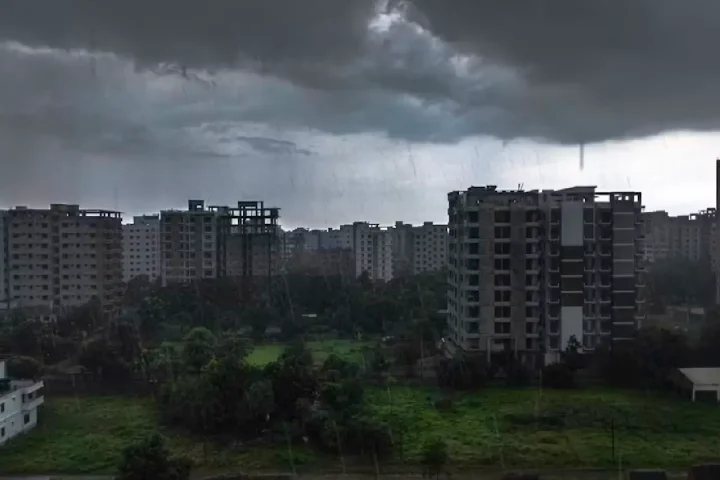

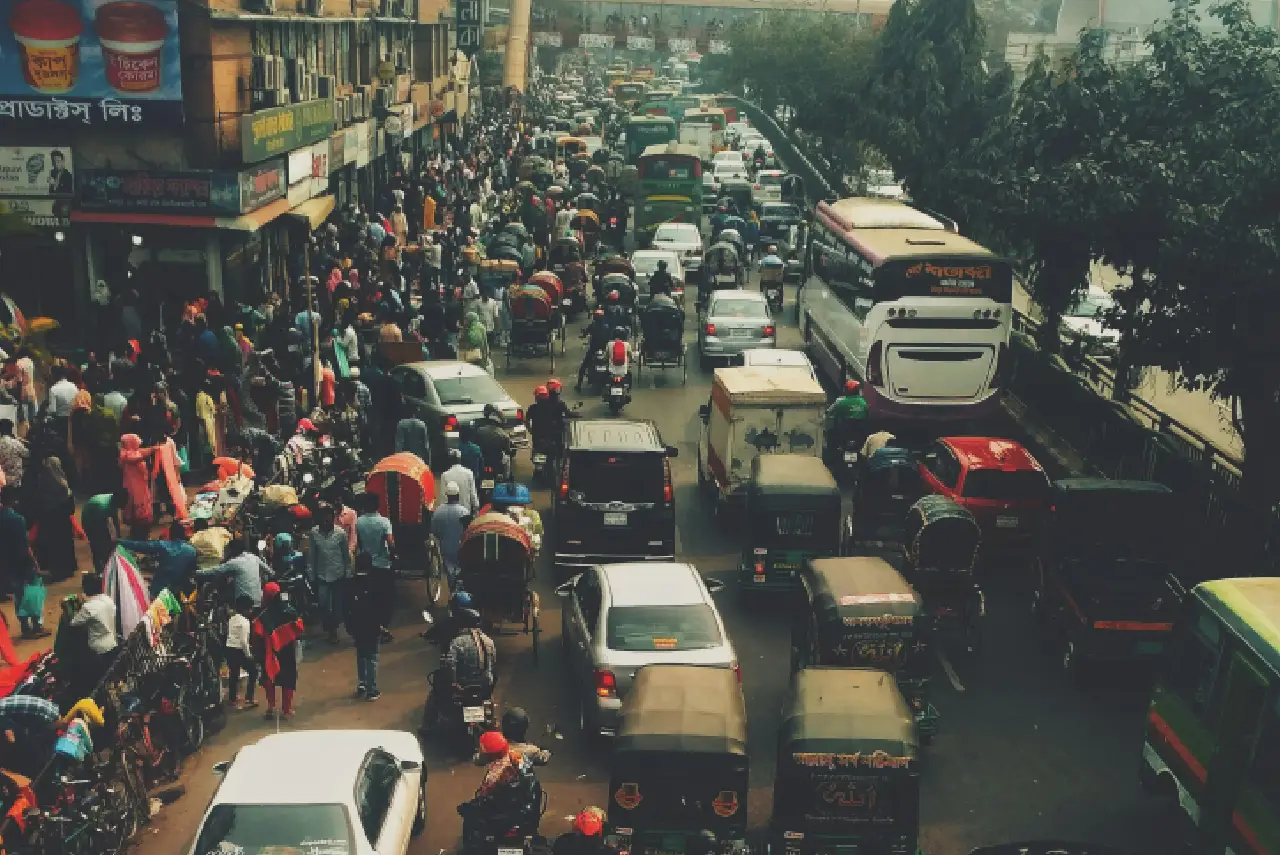
As the monsoon arrives each year, Dhaka’s roads become a slow-moving, ankle-deep to waist-deep puddle of rickshaws, buses and private cars. What was once an occasional nuisance has become a near daily ordeal for millions of commuters between June and September. People who used to allow themselves half an hour to cross town now routinely set aside two hours or more, and there is no sign that the problem is easing, despite repeated government action.
Drainage infrastructure lags behind
The root of Dhaka’s monsoon madness is an old drainage system, too small for the city’s current population. As the city has grown far beyond its planned capacity, stormwater drains, canals and retention ponds have been encroached upon, filled in for construction or left clogged with solid waste. During heavy rains, the water has nowhere to go, and it pools on major thoroughfares and residential streets alike, turning them into temporary rivers that take hours to recede.
More pressure from unplanned urbanisation
Dhaka has expanded rapidly and largely unchecked, sprawling over natural wetlands and low-lying areas that once absorbed excess rainwater. New buildings and roads often go up without adequate stormwater planning, reducing the natural floodplain the city once relied on. This unbridled expansion means that even moderate rain, which the city once absorbed without major disruptions, now results in widespread waterlogging within minutes.
More and more vehicles Multiply the Problem
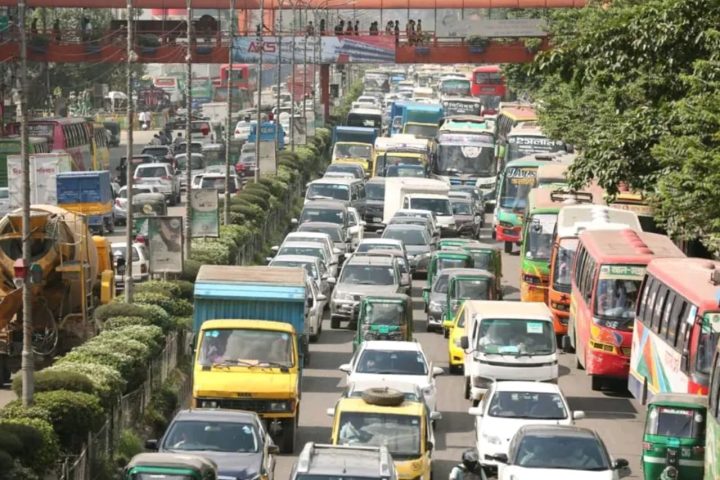
Dhaka has seen a steady annual rise in registered vehicles, many private cars, on roads never widened to accommodate them, along with strain on infrastructure. Floodwaters narrowing usable lanes and drowning engines create bottlenecks that ripple across the entire city grid. One stalled vehicle or fallen branch in a heavy rain can back traffic up for kilometers.
Economic and Human Costs
Apart from the frustration of long commutes, monsoon traffic chaos has real economic costs. Every rainy season, missed hours at work, delayed deliveries and disrupted business operations add up across the city. Emergency services also suffer delays in reaching patients or accident sites, while daily wage earners who depend on mobility for their livelihoods are often the worst affected.
Discover More Stories Worth Your Time
Which Bank Offers the Best SME Loan in Bangladesh?
Compare interest rates, benefits, and eligibility to choose the right financing option.
How Will Bangladesh’s New Budget Affect Your Daily Expenses?
Learn which everyday essentials are becoming more expensive under the latest national budget.
How Can You Avoid Fake Overseas Job Offers?
Learn the safest ways to verify foreign job opportunities before paying any recruitment fees.
What Does the HSC 2026 Exam Suspension Mean for Students?
Get the latest updates on exam postponements caused by the ongoing flood crisis.
Why Are So Many Garment Workers Losing Their Jobs?
Understand the factors behind Bangladesh’s latest apparel industry layoffs.
What’s being done, what isn’t
City officials have periodically announced drainage upgrades, canal re-excavation projects and traffic management reforms but implementation has been slow and patchy. Coordination gaps between agencies responsible for roads, drainage and waste management have repeatedly set back progress. Experts say Dhaka’s monsoon traffic problem is likely to worsen in the years to come without sustained investment in modernized drainage systems and tougher enforcement against canal encroachment.
Until systemic changes are implemented, residents of Dhaka will probably continue to experience the monsoon season as an annual test of patience, one soggy commute at a time.
Summary
Dhaka’s monsoon season brings crippling traffic jams caused by waterlogged roads, inadequate drainage infrastructure, unplanned urban expansion, and rising vehicle numbers. Despite yearly promises of improvement, the city’s commute times continue to lengthen, frustrating residents and hurting economic productivity across the capital.