

Bangladesh will graduate from Least Developed Country (LDC) status on 24 November 2026. It sounds like a policy thing somewhere far away, but LDC graduation for Bangladesh in 2026 will hit real stuff: factory jobs, export prices, and eventually what you pay for your daily goods. Here’s a simple breakdown of what is really going on.
What is LDC Graduation Explained
For years, Bangladesh has enjoyed duty-free access to markets such as the EU, UK, Canada and Japan under LDC trade schemes. That meant garments and other exports entered those countries tariff-free, keeping Bangladeshi products cheap and competitive overseas. Once you graduate, that free pass starts to wear off. It’s not going to go away overnight, and most partners, including the EU, are allowing a grace period until about 2029. But beyond that, normal tariffs of around 9 to 12 per cent could kick in on exports such as ready-made garments.
Why This Matters for Employment
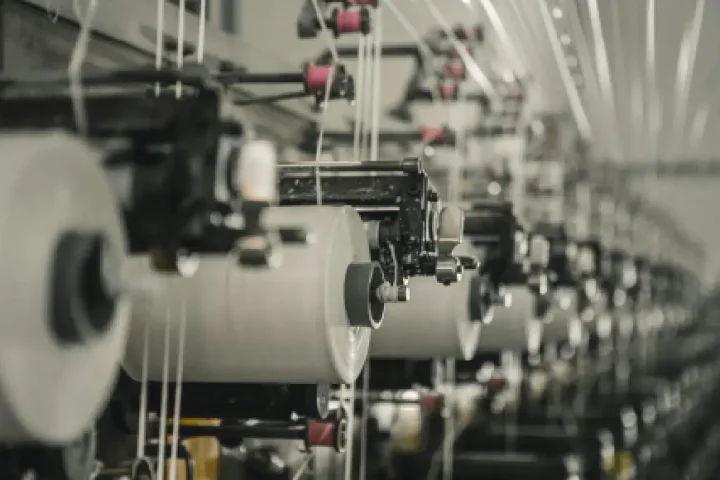
The ready-made garment (RMG) sector employs approximately 40 lakh people in Bangladesh and contributes more than 80 per cent of the export earnings. Tariffs could squeeze factory owners’ profit margins after the transition period. This could include:
- Slower hiring or hiring freezes at some garment factories;
- Wage pressure if competitiveness declines
- A move to higher value, skill-based garment work rather than simple stitching
The government is trying to secure the GSP+ scheme of the EU, which would keep the duty-free access if Bangladesh abides by the labour and human rights standards. Bangladesh has ratified all 11 core ILO labour conventions, a positive move towards qualifying.
What This Means for Everyday Prices
Bangladesh’s LDC status also enabled it to access cheaper international loans and some trade flexibilities. It can affect public spending on subsidies, fuel and infrastructure, as after graduation borrowing may become more expensive for the government. For the average family, this could be seen gradually as:
- If taka depreciates, imported goods become costlier
- Changes in utility or fuel pricing over time
- Price adjustments are expected for local sales of export-linked products
None of this happens overnight. Most of the changes will take effect gradually over the period 2026 to 2029, giving businesses and households time to adjust.
What this means for Small Businesses and Freelancers
Small exporters, including online sellers, may have to seek new markets outside the usual duty-free spots. If you are a digital-first entrepreneur using bKash and Nagad for payments, you should watch for any new rules from Bangladesh Bank on foreign transactions, as trade rules may change after graduation.
Quick Checklist: How to Get Ready
- Follow Bangladesh Bank and Ministry of Commerce updates on GSP+ progress
- If you are in RMG or export-linked industries, try to develop a second skill (like quality control, logistics or digital marketing)
- Diversify buyers beyond EU-only markets for small business owners
- Establish a savings buffer to counteract short-term fluctuations in prices in 2027-2029
- Keep yourself updated with authentic local news like The Daily Star or The Business Standard
FAQs
1. Will prices in Bangladesh surge suddenly after November 2026?
No. Most of the trade partners are providing a grace period up to 2029, so major price shocks are unlikely right after graduation.
2. Will the garment factory workers lose their jobs straight away?
Not right away. The real risk period is between 2026 and 2029 when tariffs could go up gradually if Bangladesh doesn’t get GSP+ status.
3. What is GSP+ and why is it important?
GSP+ is an EU scheme that offers continued duty-free access if Bangladesh meets labour, human rights and governance standards. It would take a lot of the sting out of graduating to get it.
4. Can Bangladesh push back the graduation date?
The government has asked for an extension of the preparatory period, but the official graduation date is still 24 November 2026 as of mid-2026.
Summary
Bangladesh leaves LDC status on 24 November 2026, ending decades of duty-free trade perks. This guide explains what changes for RMG workers, small businesses and everyday families, and what practical steps you can take to prepare for the shift ahead.