
Bangladesh’s garment sector, the backbone of the national economy, is having one of its roughest years. Tens of thousands of families are seeking income after factory closures and layoffs in the apparel industry, and the ripple effects are being felt in homes across Dhaka, Gazipur, Savar and Narayanganj. This article tells you why, what support is available and how families can cope with the pressure on their kitchen table.
Why Apparel Industry Layoffs Are Happening
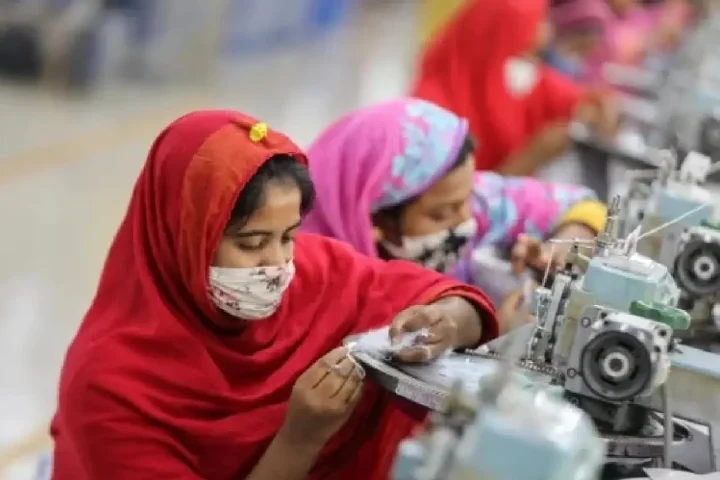
The ready-made garment (RMG) sector in Bangladesh earns over 80 per cent of the country’s export income and employs more than four million people, most of them women. But this year there are several problems all at once:
- Fewer export orders from large buyers in the US, Europe and Canada as inflation there has affected consumer spending on clothes
- New US tariffs and increased competition from Vietnam, India and Cambodia
- Banks tighten rules to make it harder to get bank loans
- Increasing production costs, including a recent minimum wage increase owners say has pinched already thin profit margins
- There has been labour unrest at some factories, with union leaders saying a number of dismissals have been aimed at workers trying to organise.
According to industry data from BGMEA and BKMEA, at least 20,000 RMG workers were laid off or retrenched in the first half of 2026 alone, with the Al-Muslim Group layoffs in Savar being one of the major incidents that affected about 1,900 workers in a single day. Industry leaders estimate that more than 2.2 lakh (220,000) jobs have been lost in an 18-month window as around 250 to 260 factories have shut down.
What the Government and the Banks Are Doing
Industry bodies have asked Bangladesh Bank to relax lending rules for struggling factories, and the government has set up incentive funds to help reopen closed units and pay overdue wages. Employees who are owed salary or severance can file complaints with the Department of Inspection for Factories and Establishments (DIFE) or their local labour office. More factories are now using mobile financial services like bKash and Nagad to transfer wages and any government support directly to workers, which is faster and safer than handing out cash, especially for workers without a formal bank account.
Affected workers checklist
- Keep copies of your appointment letter, pay slips and any notice of termination
- Please confirm that your dues were paid in line with the legal requirements of Section 20 of the Labour Act
- If wages or severance are not paid, you can make a complaint to DIFE or the local labour office.
- Ask your union or the BGMEA/BKMEA helpline about rehabilitation support for your specific factory.
- If you don’t have a mobile financial account (bKash, Nagad), register one for easier and faster access to any relief payment
- Explore short-term skills training programs provided by the government and NGO partners for re-employment
FAQs
Why are so many Garment Factories in Bangladesh shutting down now?
Smaller factories in particular are struggling to keep their doors open amid fewer export orders, tighter bank lending, higher production costs and global competition.
Are laid-off workers legally entitled to any compensation?
Yes. According to Bangladesh’s Labour Act, when a company is in trouble and the worker is laid off, the employee is entitled to his/her dues, including notice pay and other benefits. Delays, however, are a frequent complaint.
Is it only the big cities like Dhaka that are affected?
No. Industrial belts like Gazipur, Savar-Ashulia, Narayanganj and Dhaka have witnessed layoffs as these are major hubs of garment manufacturing.
Discover More Stories Worth Your Time
How Can Students Open a Bank Account in Bangladesh?
Learn the eligibility, documents, and account opening process.
What Does BERC’s Tariff Decision Mean for Consumers?
Find out how the new decision affects your electricity bill.
Is AB Bank Offering the Highest Fixed Deposit Rate?
Compare the latest FDR rate and investment benefits.
How Can You Pay Electricity Bills Online in Bangladesh?
Follow simple steps to pay your bill securely online.
How Can You Apply for a Bangladesh e-Passport Online?
Learn the registration process, fees, and status tracking.
What happens if the factory closes down without warning?
Immediately contact DIFE or the local labour office, and contact union representatives or BGMEA/BKMEA (if the factory is a member) to pursue the unpaid wages.
Summary
Bangladesh’s apparel industry is going through a painful slowdown, with tens of thousands of garment workers laid off in 2026. This article explains the causes, the government’s response, and practical steps affected workers and families can take right now.