

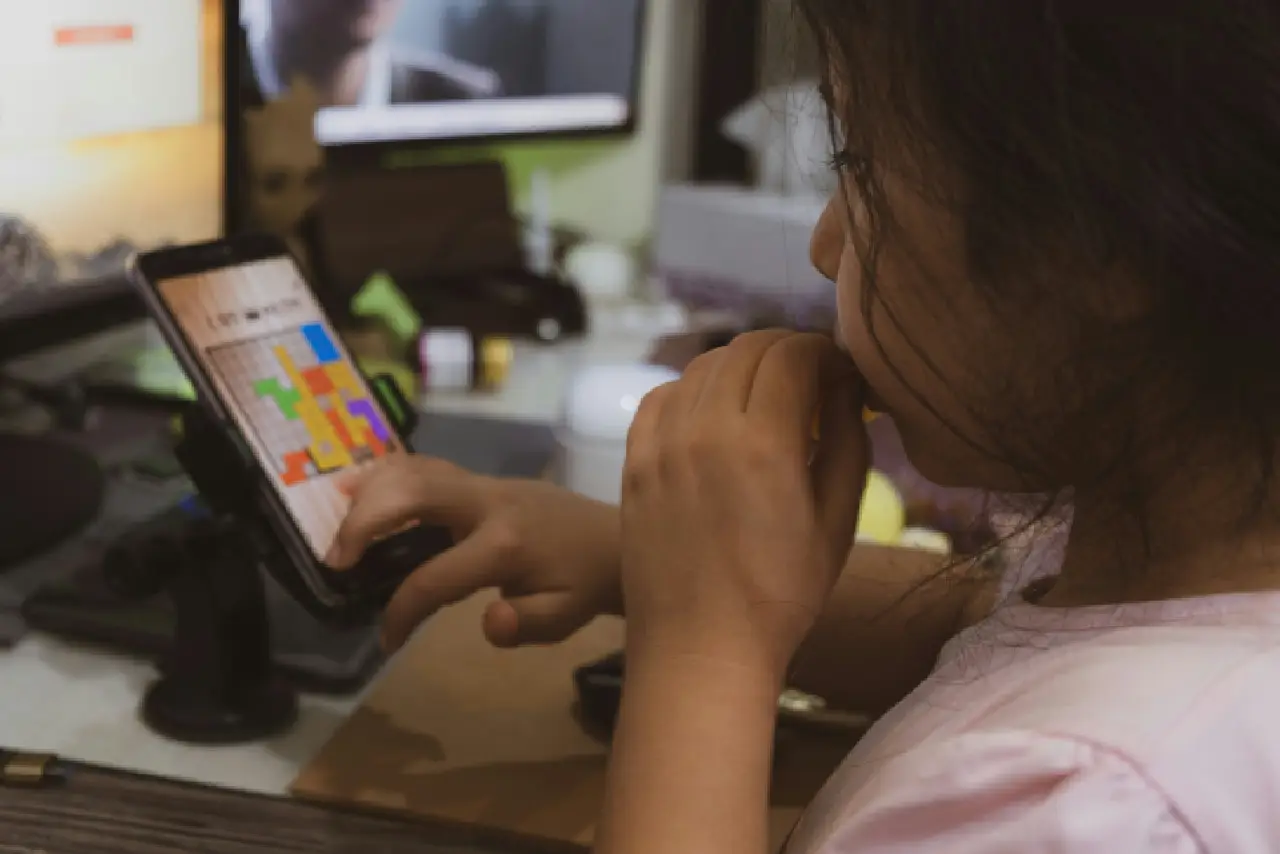
Smartphones are embedded in daily life like never before, and children are snatching them up at younger and younger ages. These devices offer learning tools and entertainment, but too much use can stealthily lead to addiction and impact a child’s mood, sleep and social development. If parents can identify the signs early enough, they can intervene before the habits become more difficult to break.
What smartphone addiction looks like
It’s not just fun and games on the screens for kids with smartphone addiction. Signs include not being able to put the device down when told to, feeling restless when the phone is not available and showing increased interest in screen activity instead of real-world interaction. The phone eventually becomes the default solution for boredom, stress, or loneliness.
What are the warning signs?
Look for sudden mood swings when screen time is over, secretive phone use, declining interest in hobbies or friends, and slipping grades. Typical symptoms are physical, including eye strain, headaches and disturbed sleep patterns. Some signs of dependency could be children getting anxious or irritable when their phone isn’t near them.
Effects on Physical Health of children
Long hours of screen time can lead to bad posture, eye strain and disruption of your sleep cycles from blue light exposure before sleeping. Also, there is a worry about the lack of physical activity, as children sit for hours instead of playing outside, which can lead to weight gain and lower fitness levels overall.
Effect on Emotional and Social Development
Our dependence on smartphones can diminish our ability to communicate face-to-face and make us less tolerant of real-world interactions that involve waiting or effort. “Some kids get hyperfocused on social media validation and some may tune out conversations with family members and prefer to connect with people online rather than in person.”
Effects on Academic Achievement
Constant notifications and app checking can fragment attention spans, making it harder for kids to focus on schoolwork. Children’s late night phone use usually disrupts their sleep and causes them to feel sleepy and not so attentive during school hours, slowly ruining their academic success.
How to Break Your Smartphone Addiction at Home
Setting limits on screen time and sticking with them consistently is a great first step. Create phone-free zones such as at mealtimes and bedtime to help re-establish healthier routines. Parents can also promote alternative activities such as sports, reading or family games to fill the time formerly spent on screens.
Set the example
Kids will copy what their parents do, so reducing your own screen time at home will speak louder than rules alone. When the entire family engages in device-free activities, the change becomes not a punishment but a lifestyle change.
When to Seek Professional Help
If your kid’s screen time arguments turn explosive, if they withdraw from family and friends altogether or if their daily functioning is greatly diminished, it may be time to speak with a child psychologist or counsellor to help address underlying issues that may be driving the dependency.
Smartphone addiction in children is an issue that can be addressed with consistency and boundaries. Having open communication and making small changes at home can help children gradually develop a healthier relationship with technology.
Frequently Asked Questions
At what age can smartphone addiction start in children?
Smartphone addiction can develop as early as age six or seven, especially when devices are introduced without structured usage limits from the start.
How much screen time is considered healthy for children?
Guidelines generally suggest limiting recreational screen time to one to two hours daily for school-age children, though this can vary based on age and individual needs.
Can smartphone addiction affect a child’s sleep quality?
Yes, blue light exposure and stimulating content before bedtime can delay sleep onset and reduce overall sleep quality, leading to daytime fatigue and irritability.
What are some phone-free activities parents can introduce at home?
Board games, outdoor sports, reading time, cooking together, and creative hobbies like drawing or music are effective ways to reduce screen dependency.
Is it necessary to completely ban smartphones to fix addiction?
Not necessarily. Complete bans can sometimes backfire. Setting structured limits, monitored usage, and phone-free times often works better than an outright ban.
Summary: Smartphone addiction among children is a growing concern for parents everywhere. This guide covers the key warning signs, physical and emotional effects, and practical steps families can take at home to reduce screen dependency.