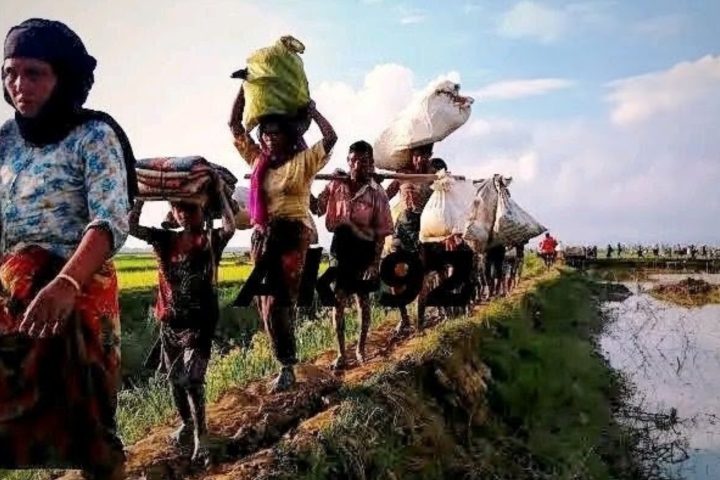

The number of Rohingya refugees entering Bangladesh continued to grow through 2026. The latest figures are from the Refugee Relief and Repatriation Commissioner (RRRC) and UNHCR. The numbers show a gradual, steady movement, not a sudden spike at a point in time. The total registered refugee population in Cox’s Bazar now stands at about 1.19 million.
What the numbers say about Rohingya Crisis
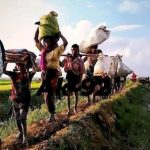
Aid groups tracking the crisis cited reporting by UNHCR of close to 150,000 new arrivals in the camps between December 2024 and March 2026. Almost 2,800 new registrations were recorded in March 2026 alone. The data also follows a trend of a few thousand arrivals each month since fighting between the Myanmar military and the Arakan Army began. Earlier data on RRRC for 2025 showed that well over 130,000 people entered Bangladesh in that year.
Camps under Stress
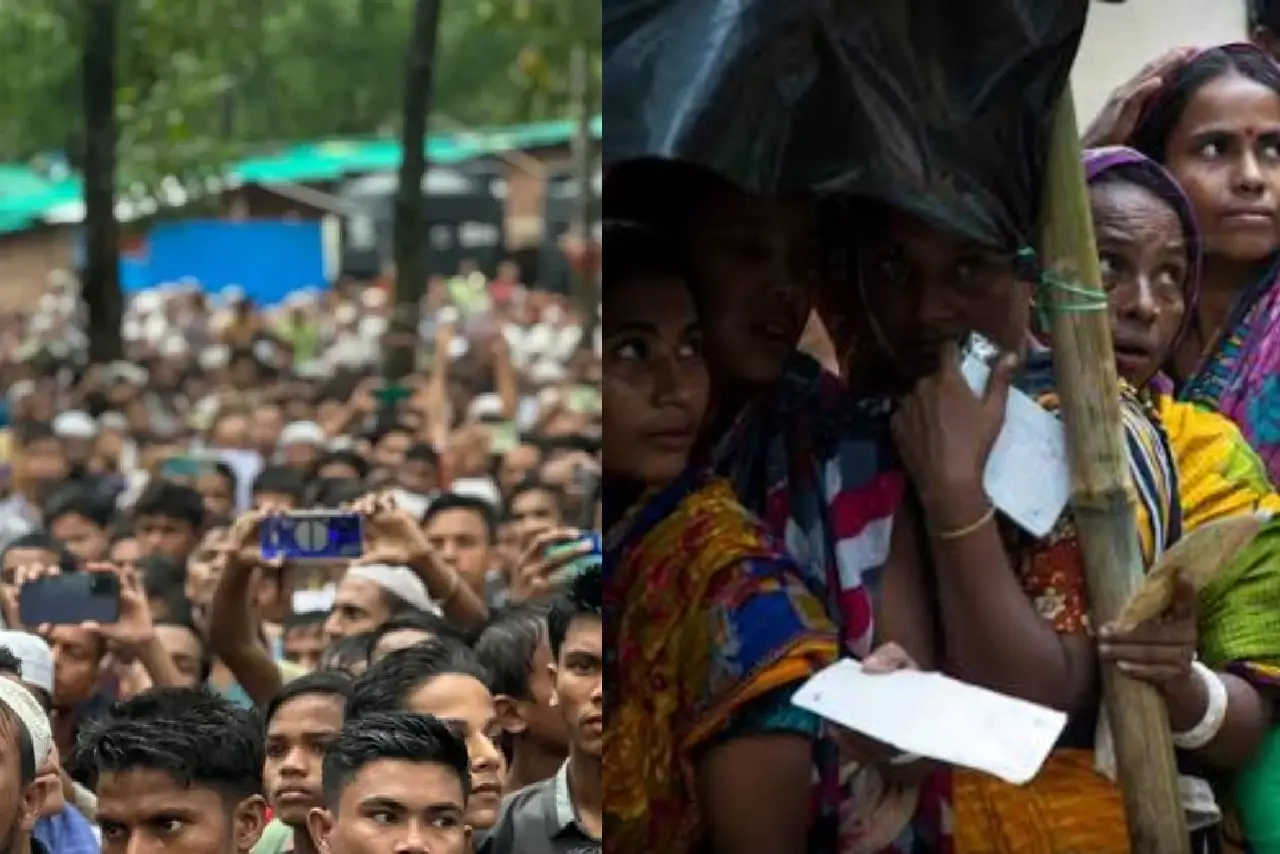
The inflow continues to place pressure on Rohingya camps that were already among the world’s most densely populated settlements. The camps are crammed into about 24 square kilometres around Cox’s Bazar. Since 2021, around 35,000 refugees have been relocated to Bhasan Char under the Bangladesh government initiative. The new arrivals continue to settle in the existing camps instead of the planned sites.
The monsoon has increased the danger of this congestion. Landslides in July 2026 killed at least 17 people and displaced more than 3,000 residents. Human rights groups monitoring the camps warned this as a reminder of the precariousness of hillside shelters.
Repatriation demand and funding for Rohingya refugees
Humanitarian agencies have repeatedly warned that funding has not matched the scale of new arrivals. Shortages are already hitting health services, supplies of cooking fuel and education programmes.
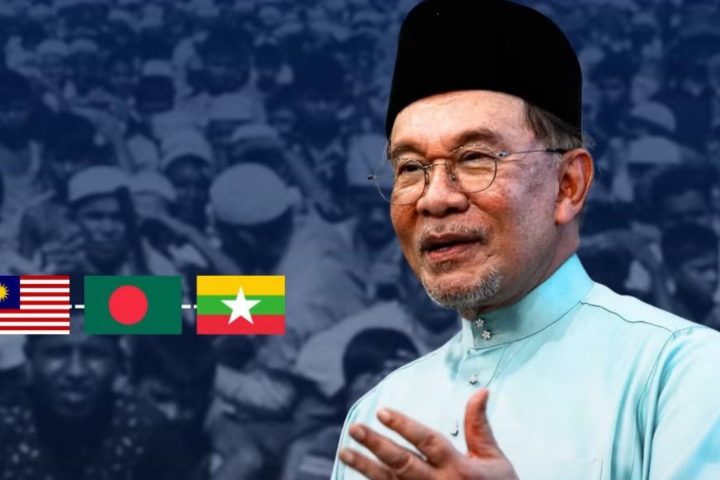
Meanwhile, the interim government has been increasing pressure on the diplomatic front. Myanmar’s military has promised to repatriate hundreds of thousands of displaced Rohingya, but so far there has been little sign of that.
With arrivals continuing on a near-monthly basis and funding gaps growing. The coming months will likely test the capacity of the Rohingya camps and the pace of any repatriation talks between Dhaka and Naypyidaw.
Frequently Asked Questions
How many Rohingya refugees are currently in Bangladesh?
The registered refugee population in Cox’s Bazar now stands at roughly 1.19 million, according to the latest RRRC and UNHCR figures.
How many new Rohingya arrivals have been recorded recently?
Between December 2024 and March 2026, close to 150,000 new arrivals were registered, with March 2026 alone accounting for nearly 2,800 new registrations.
Why are Rohingya still crossing into Bangladesh in 2026?
The continued movement is linked to ongoing fighting between the Myanmar military and the Arakan Army, which resumed in late 2023 and has kept displacing people from Rakhine State.
What is Bhasan Char, and how many refugees live there?
Bhasan Char is an island resettlement site off Bangladesh’s coast. Around 35,000 refugees have been relocated there since 2021 as part of the government’s effort to ease crowding in the Cox’s Bazar camps.
How has the monsoon season affected the camps in 2026?
Landslides in July 2026 killed at least 17 people and displaced more than 3,000 residents, highlighting how exposed hillside shelters are during the rainy season.
What is causing the humanitarian funding shortfall?
Aid agencies say funding has not kept pace with the scale of new arrivals, which has already begun affecting health services, cooking fuel supplies, and education programmes in the camps.
Summary
RRRC and UNHCR data show Rohingya arrivals into Bangladesh continuing steadily through early 2026, with the registered population now above 1.19 million. Monsoon landslides have added new risk, even as Dhaka pushes for repatriation talks with Myanmar.