
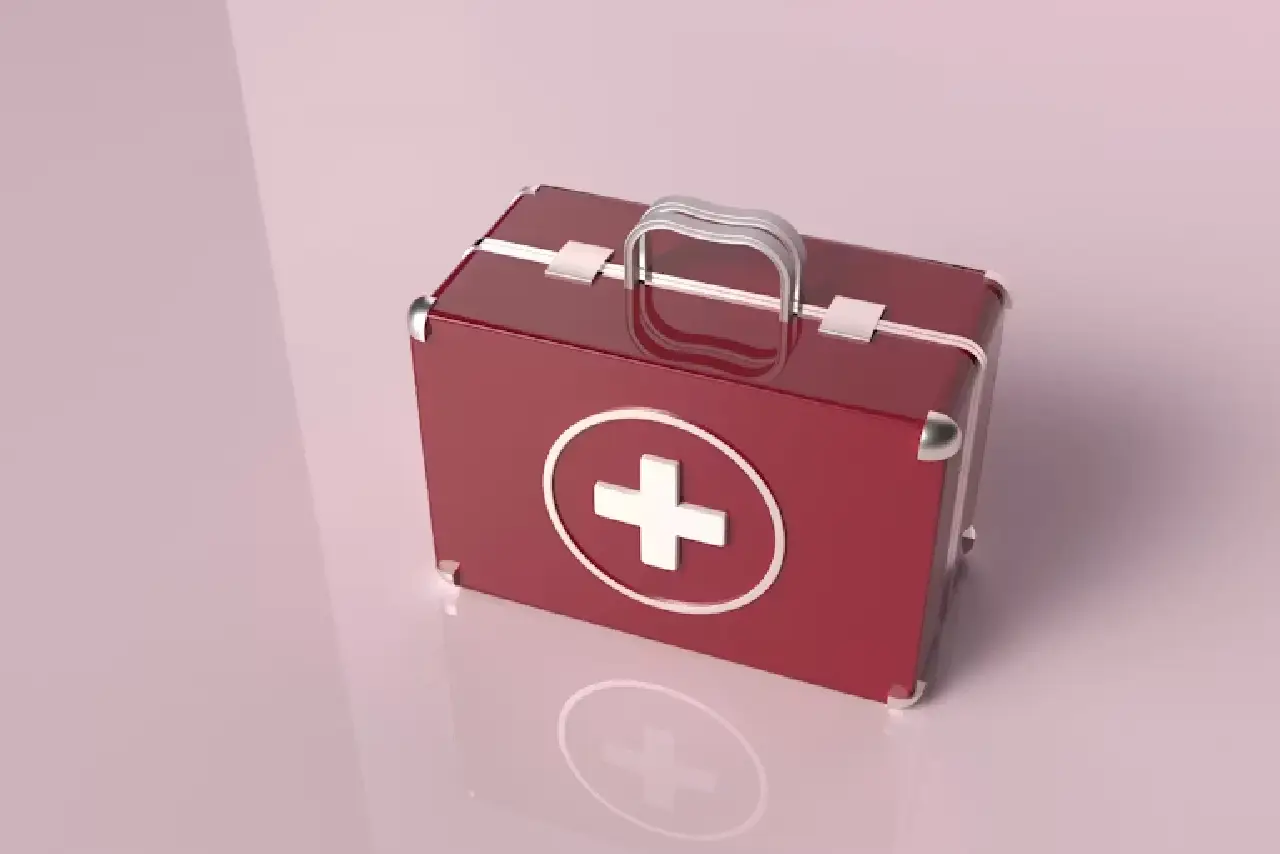
The rainy season brings relief from the summer heat but also an increase in seasonal illnesses. Waterlogging, humidity and contaminated water supplies are perfect conditions for infections, fevers and stomach complaints. Having a well-stocked first aid kit at home during monsoon can help families to deal with minor health problems without rushing to a doctor for every small issue.
Why Monsoon Health is Worth Your Extra Attention
Viral fevers, cold and flu, skin infection and digestive troubles due to stagnant water, increased mosquito breeding and fluctuating temperatures are the peak season for monsoon months. Overflowing roads and drains increase the risk of cuts, falls and exposure to dirty water. A handy first aid kit helps respond fast before the situation escalates.
Medicines for Pain and Fever Relief
“Paracetamol should be on top of every medicine list during monsoon as viral fevers are very common in this season. If there are kids in the family, have both adult and child formulations at home. A simple pain reliever also takes away the pain of headaches and body aches that often accompany seasonal viral infections.
Stomach and Digestive Problems Medicines
Monsoons are often associated with contaminated water and food causing diarrhoea, indigestion and food poisoning. Sachets of oral rehydration solution are important to prevent dehydration. Also the kit should have mild laxatives, antacids and anti-diarrheal medicines. Instead of waiting until symptoms appear, keep these on hand.
Allergy and cold remedies
Allergic reactions, sneezing and congestion can be triggered by humidity and mold growth. Seasonal allergies are helped by antihistamines, while cough syrups and decongestants relieve cold symptoms which spread fast during this season. A simple nasal spray can also bring relief to blocked sinuses.
Wound Care Supplies
For example, monsoons bring slippery roads and minor accidents. Keep stock antiseptic solutions or creams to clean cuts and scrapes immediately, plus sterile bandages, gauze and adhesive tape. Antibiotic ointments help prevent infection in open wounds, which heal more slowly in humid weather.
Skin and mosquito protection
Waterlogging leads to more mosquitoes and increases the risk of dengue and malaria. Keep mosquito repellent creams or sprays at home. Calamine lotion or anti-fungal creams are handy for skin rashes and fungal infections common in damp conditions.
Other Must-Haves to Keep On Hand
A digital thermometer is a good way to accurately track fever, especially for kids. Have disposable gloves, cotton, and hand sanitiser to keep things clean when treating wounds. A small torch/flashlight is also useful during power outages due to storms.
How to Store Medicines in Monsoon
Humidity can speed up the deterioration of medicines, so keep the kit in a cool, dry, airtight container away from direct sunlight and moisture. Regularly check expiry dates and replace anything approaching expiry. Store the kit in an easily accessible place so that it can be quickly reached in an emergency.
Discover More Stories Worth Your Time
How Can You Claim Structural Damage Insurance in Bangladesh?
Learn the steps, required documents, and claim process after property damage.
Why Does Dhaka’s Traffic Get Worse During the Monsoon?
Discover the main causes behind the city’s growing rainy-season congestion.
Is the Sundarbans Worth Visiting During the Monsoon?
Explore what to expect, travel tips, and whether it’s the right season to visit.
What Does Signal No. 3 Mean for Coastal Residents?
Find out how the latest low-pressure system may affect ports, travel, and weather.
How Will Bangladesh’s LDC Graduation Affect You?
Understand how the transition could impact prices, jobs, and the economy.
When to Consult a Doctor
It is not a substitute for medical treatment, but for little problems you can treat at home. If you develop a high fever for more than two days, severe dehydration, trouble breathing or deep wounds, seek medical attention immediately. Dengue and typhoid are monsoon-linked illnesses that need proper diagnosis and should never be self-treated beyond relief of basic symptoms.
Having the right medicines and supplies ready can be a game-changer during the monsoon season. A well-stocked first aid kit can save time in an emergency and can provide peace of mind for families through the rainiest months of the year.
Frequently Asked Questions
How to store monsoon medicines to prevent damage by humidity?
Store medicines in an airtight container, away from sunlight and moisture (preferably in a cool, dry cabinet, not on a bathroom shelf where humidity is higher).
Does the first aid kit need to have a thermometer in it?
Yes. Digital thermometers are useful in monitoring fever patterns accurately and are especially useful during monsoon when viral fevers and dengue symptoms often overlap.
Can you give children medicine for common cold and cough without doctor’s advice?
Only give children medicines that are made for their age, and be sure to read the dosing instructions carefully or ask a doctor before giving a cold or cough medicine to young children.
When to stop self-treatment and see a doctor in monsoon illness?
If fever lasts more than two days, or if a person shows signs of dehydration, difficulty breathing, or if a wound shows signs of infection, medical attention should be sought immediately rather than relying on home treatment.
Summary: Monsoon season brings waterborne infections, fevers, allergies, and minor injuries. This guide lists the essential medicines and first aid supplies every home should stock to handle common rainy season health issues quickly and safely.