
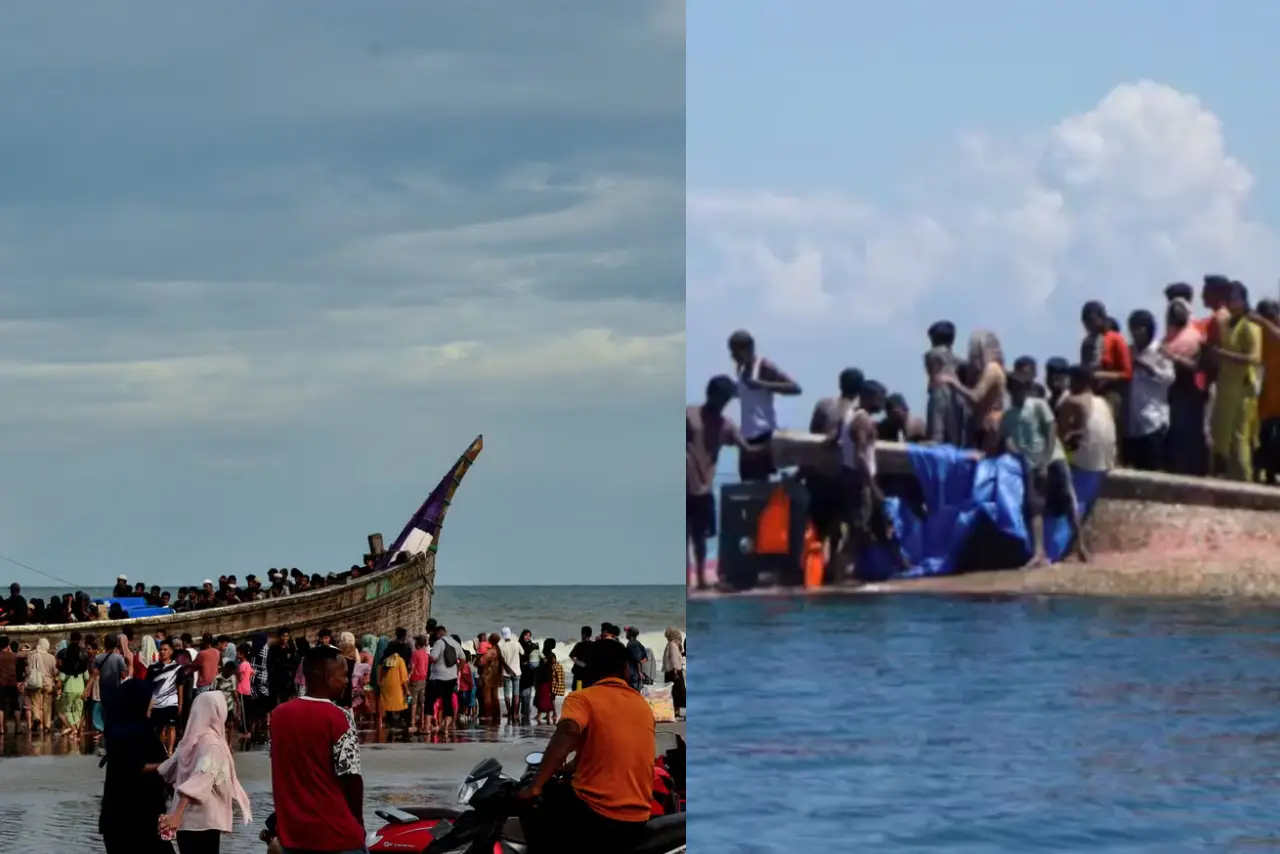
In late June 2026, two boats packed mostly with Rohingya passengers left Myanmar’s Rakhine State for destinations offering little more than the hope of safety. One vessel, thought to have about 250 people on board, lost contact shortly after leaving, while a second boat with about 280 passengers is believed to have sunk off Myanmar’s Ayeyarwady coast on July 8.
By mid-July, it was obvious how large the loss was. More than 500 people are feared dead after two boats capsized off the coast of Myanmar, according to the UN’s migration and refugee agencies. It is one of the worst single tragedies in the long history of Rohingya sea crossings. “People don’t risk their lives at sea unless the alternatives are even more unbearable.” — Joe Freeman, Amnesty International Myanmar researcher Why Rohingya Refugees Keep Boarding These Boats
Rohingya: Who Are They? What is Their Actual Identity
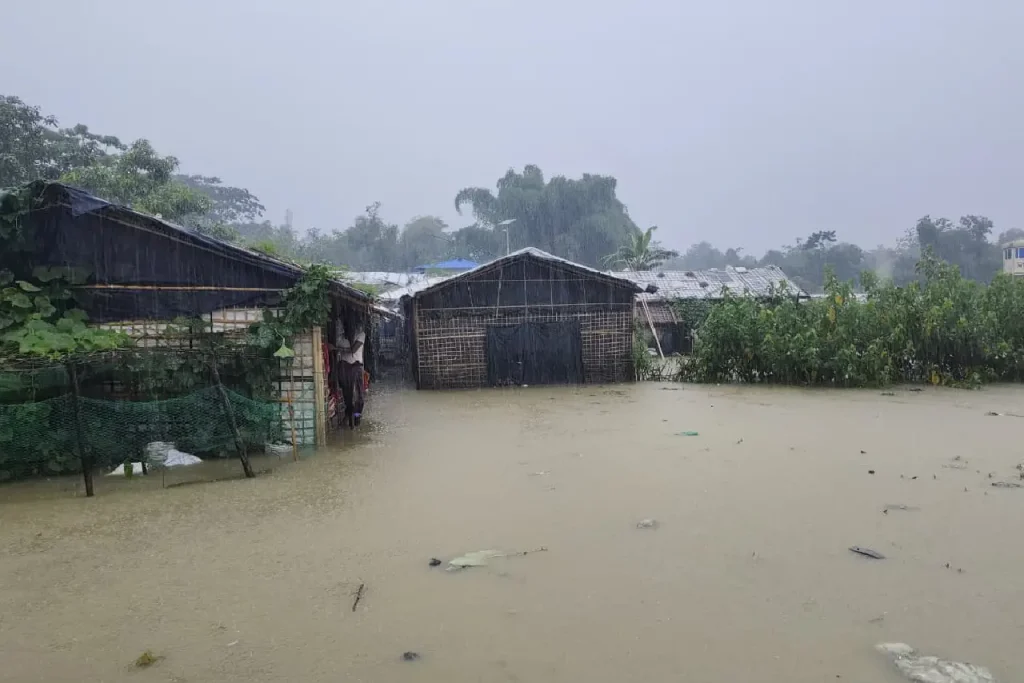
The Rohingya are a stateless Muslim minority from Myanmar’s Rakhine state that has suffered decades of state-sponsored persecution, a crisis the US has officially described as genocide. Over a million have fled to Cox’s Bazar in Bangladesh, where they live in cramped camps, while some 630,000 remain in Rakhine itself.
Things in Myanmar have just gone from bad to worse. Since a 2021 military coup, the country has been embroiled in civil war for more than five years, with more than 100,000 people killed in the fighting and a worsening humanitarian crisis in Rakhine as the junta fights the Arakan Army for control of the region.
With legal routes to safety largely closed, families turn to smuggling networks promising passage to Malaysia, Indonesia or elsewhere in South-East Asia. These networks routinely put fare-paying passengers on vessels never meant to survive open water.
Escaping Hunger: How Traffickers Work
Interviews with survivors and aid workers over the years have indicated a consistent pattern:
- Brokers promise families the crossing will take days, not weeks, and downplay the risk of monsoon weather, offering false safety and speed.
- Overcrowding – vessels are filled to capacity with only a fraction of their true passenger capacity to maximise trafficker profit.
- Many boats depart without sufficient provisions for the length of the actual voyage. Little food or water on board.
- Mid-route abandonment – after payment to traffickers, some boats are left adrift with no working navigation or rescue plan.
- Debt bondage on arrival — those who do make it to shore are sometimes held until families pay more fees.
In a 2020 case, a boat carrying around 125 Rohingya refugees from Bangladeshi camps sank in the Bay of Bengal, with at least 16 people perishing after it was overloaded for a voyage toward Malaysia. At the time, a survivor said refugees on the boat had been “wooed” by traffickers with promises of a better life abroad.
Discover More Stories Worth Your Time
What Government Support Is Available for Women Entrepreneurs?
Discover the top schemes and financial support available.
Which Mobile Wallet Saves You More Money?
Compare fees and find the most affordable option.
Are AI Agents the Future of Mobile Technology?
See why AI agents could transform everyday apps.
Could WhatsApp Usernames Increase Online Scams?
Learn the risks and how to stay safe.
Which Budget 5G Phone Is Right for You?
Explore the best affordable 5G smartphones.
A Voyage of Desperation: A Route With No Equal for Danger
The Bay of Bengal and Andaman Sea crossing has, for years, carried the grim distinction of being the deadliest migration route on record relative to the number of people who attempt it.
| Year | Estimated Attempts | Deaths/Missing at Sea |
| 2022 | ~3,500 | At least 348 |
| 2025 | ~6,500 | Nearly 900 |
| 2026 (as of July) | Two boats, ~530 people | 500+ feared dead |
The UN refugee agency has said this stretch of water carries the highest mortality rate of any major refugee and migrant sea route in the world, a record that predates and now extends past the July 2026 tragedy.
What the UN Is Calling For: The Deadly Price of Escape
In their joint statement, the International Organisation for Migration and UNHCR said more regional and international action is needed to prevent more loss of life on the route, including improved search and rescue coverage, real access to asylum, and increased action against the smuggling and trafficking networks themselves.
Rights groups have made the same call for years, saying that as long as Rohingya families see no legal way to safety, they will continue to put their lives in the hands of those profiting from their desperation.
FAQs
How many Rohingya refugees are missing after July 2026 boat tragedy?
More than 500 people are feared dead after two boats carrying mainly Rohingya refugees capsize off the coast of Myanmar in July 2026.
Where did the boats launch from?
The two ships departed from Myanmar’s Rakhine state in late June of 2026.
Why are Rohingya refugees taking the risk of crossing the sea?
Decades of persecution in Myanmar, statelessness, a civil war that continues to this day, and the overcrowding in the camps in Bangladesh leave many families with no legal way out. They are targets of traffickers who promise safer passage abroad.
Is the Bay of Bengal the world’s most dangerous refugee route?
Yes. According to UNHCR data, this route has the highest mortality rate of any major sea journey for refugees and migrants in the world.
Summary
Over 500 Rohingya refugees are feared dead after two trafficker-organised boats capsized off Myanmar’s coast in July 2026, marking the deadliest incident yet on what the UN calls the world’s most dangerous migration route.