
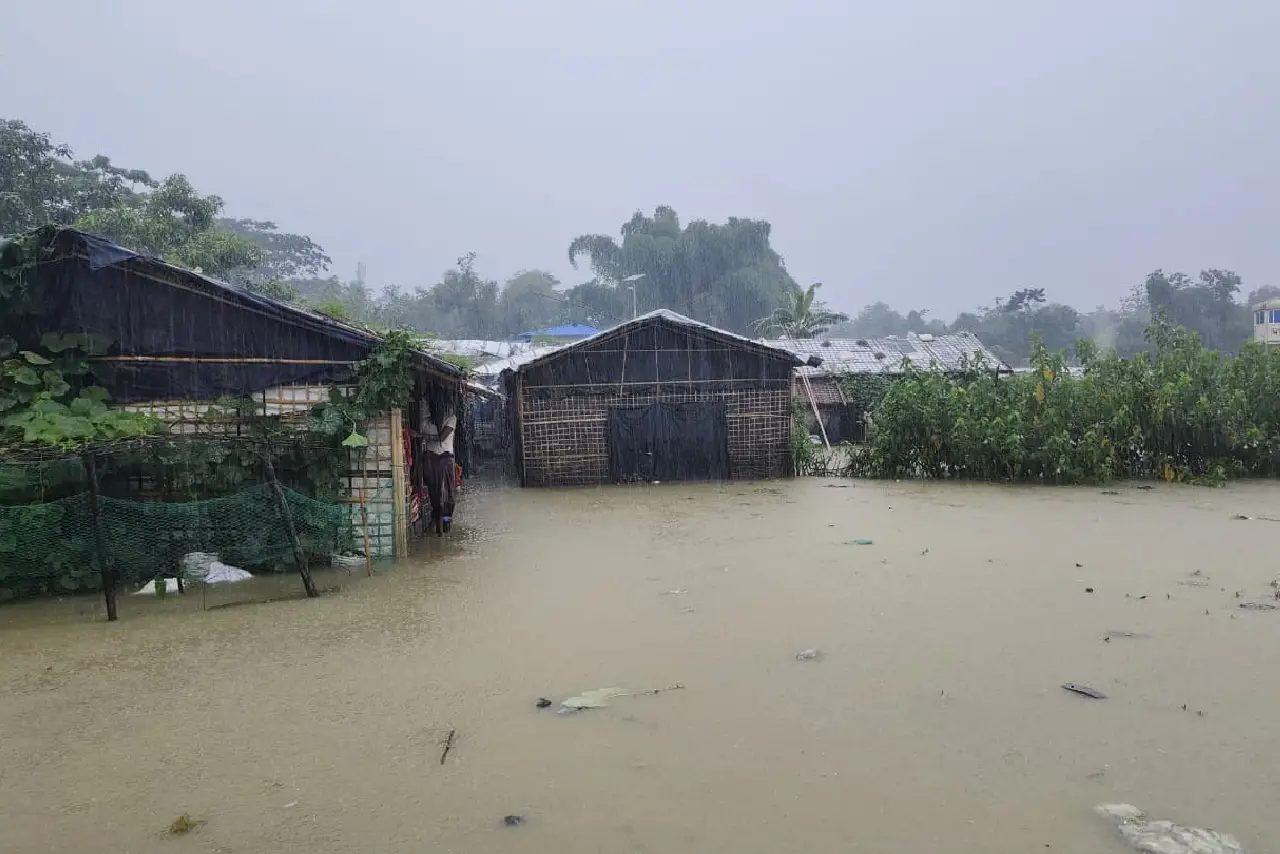
Weeks of relentless monsoon rain have triggered one of Bangladesh’s worst flooding and landslide emergencies of the year, and the International Organisation for Migration has stepped in with expanded relief operations across the hardest hit districts. For families in affected areas, understanding what support is available and how to reach it matters as much as the aid itself.
The Scale of the Crisis
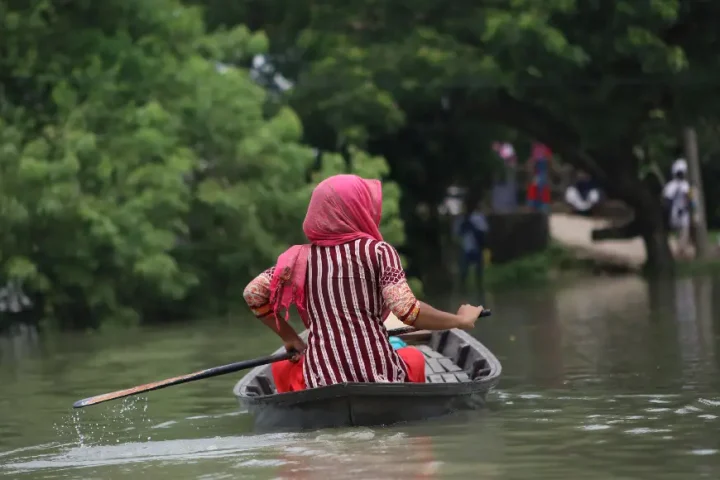
More than one million people across 10 districts have been affected, and at least 51 people have died as torrential rain, flooding, and landslides swept through southeastern Bangladesh in recent weeks. Government figures show over 38,400 people currently sheltering in more than 1,000 evacuation centres. Districts including Chattogram, Cox’s Bazar, and Bandarban have been named among the worst affected, with hundreds of villages left underwater and roads and bridges washed out in several areas.
The crisis has hit vulnerable groups especially hard. The affected population includes more than 52,000 Rohingya refugees living in camps and over 13,000 people with disabilities, both groups facing extra barriers to evacuation and access to aid.
What IOM Is Doing
Working alongside the Bangladeshi government, the Refugee Relief and Repatriation Commissioner, district authorities, and other aid agencies, IOM has deployed emergency response teams into the affected districts. Its support currently centres on two main areas.
The first is emergency shelter assistance for families whose homes have been damaged or destroyed by flooding or landslides. The second is relocation support, which helps move households living on landslide-prone hillsides and other high-risk sites to safer ground before further rain worsens conditions.
IOM has said it continues to operate despite difficult access conditions in several districts, though the agency has also renewed its call for sustained international funding, warning that continued rainfall could deepen an already serious emergency.
What Affected Residents Should Do
Residents in flood- or landslide-affected areas should prioritise moving to a government-designated evacuation centre if their home is damaged, unstable, or sits on a high-risk slope, rather than waiting out the weather. Local district authorities and camp management offices remain the first point of contact for shelter assignment and relocation support. Families already in evacuation centres should register with camp officials to be counted in ongoing needs assessments, since this directly affects how aid such as shelter materials, food, and medical supplies is distributed.
The Bangladesh Army, Navy, and disaster response teams are also active in the affected districts, distributing food, drinking water, and medical supplies to communities that remain cut off by damaged roads.
What Comes Next
With the monsoon season not yet over, authorities and aid agencies are warning residents in flood and landslide-prone districts to stay alert to further rainfall and follow evacuation guidance without delay. IOM says its response will continue to scale depending on both weather conditions and the level of international funding it receives in the coming weeks.
FAQ
How many people have been affected by the Bangladesh floods?
More than one million people across 10 districts have been affected, with at least 51 deaths reported so far.
What is IOM providing to flood-affected families?
IOM is providing emergency shelter assistance for damaged homes and relocation support for households in landslide-prone areas, alongside coordination with government and other aid agencies.
Which districts are worst affected?
Chattogram, Cox’s Bazar, and Bandarban are among the districts named as most severely hit by flooding and landslides.
How can affected residents get help?
Residents should contact local district authorities or camp management offices for evacuation centre placement and register for ongoing needs assessments to receive aid.
Summary
IOM has scaled up flood and landslide relief across 10 Bangladeshi districts after over a million people were affected and at least 51 died in one of the country’s worst monsoon emergencies this year.