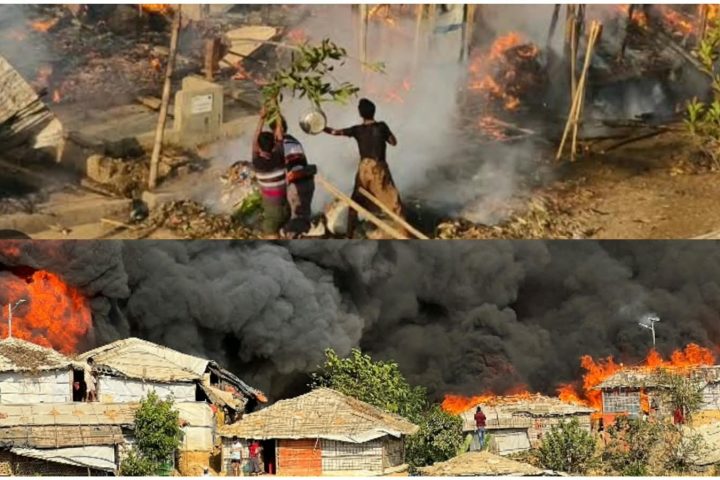

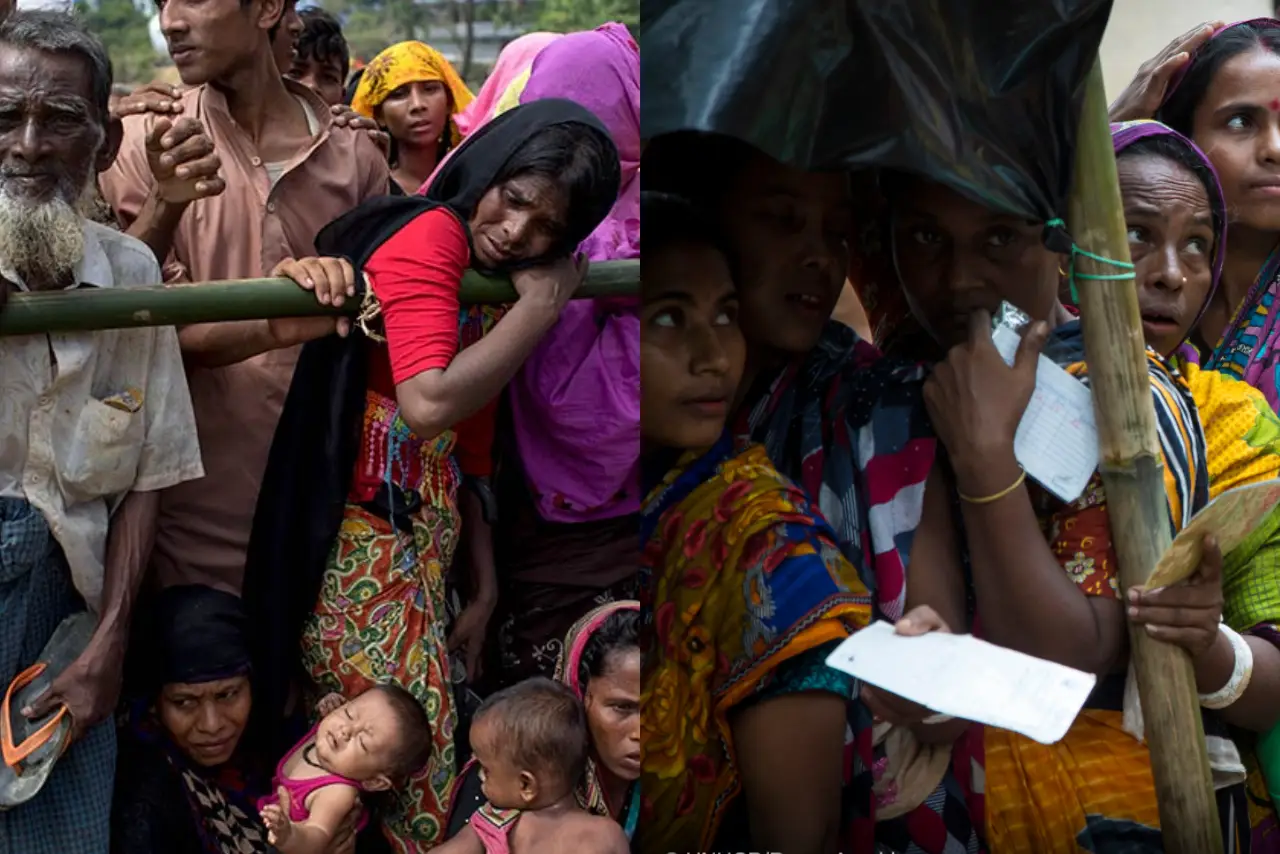
Nine years after the largest exodus of Rohingya refugees crossed into Bangladesh, the country is still pushing the international community for the same result it asked for in 2017: a safe return home. This year Bangladesh took that message to the UN again, but the numbers on the ground tell a story of a process that continues to be verified, discussed and delayed, without actually starting.
Bangladesh reiterates its call at the UN
Bangladesh’s Permanent Representative to the UN, Ambassador Salahuddin Noman Chowdhury, reiterated that the crisis had originated in Myanmar and its solution had to be found there too, in a UN briefing hosted by the Secretary-General’s Special Envoy on Myanmar in June 2026. He spoke of the burden of hosting around 1.2 million Rohingya for nearly a decade and called upon the international community and regional powers to intensify diplomatic efforts to facilitate a safe and voluntary return.
So far, the verification figures, Foreign Minister Khalilur Rahman said, Bangladesh has shared data on more than 829,000 Rohingya with Myanmar in six phases of data sharing. As of January 2026, Myanmar verified around 354,751 of them, with around 253,964 confirmed as people who had previously resided in the country. Those numbers represent progress on paper, but the foreign minister was blunt about the practical reality, telling parliament that the repatriation process cannot begin yet due to the continuing conflict inside Myanmar.
Why the process gets hung up
The core problem has remained the same since 2018 and 2019, when earlier efforts to repatriate also collapsed. Refugees have always said they will not return without guarantees of safety, citizenship and rights, and UNHCR’s own assessment is that conditions in Rakhine State are not yet conducive to sustainable return. Fighting has flared up again since 2024, involving the Arakan Army, making the situation inside Myanmar more volatile not less and further narrowing any near-term window for return.
The parallel legal and funding track to
In addition to the UN briefings, Bangladesh remains supportive of The Gambia’s case against Myanmar for genocide before the International Court of Justice, with the merit phase set for January 2026. On the humanitarian front, the 2026 Joint Response Plan is asking for $710.5 million to support 1.6 million people, Rohingya refugees and host communities combined, a figure that is actually lower than last year’s request even as needs have increased. UNHCR has warned that shrinking aid budgets are driving more Rohingya to embark on dangerous sea journeys, with 2025 already marked as the deadliest year on record for such voyages across the Bay of Bengal and Andaman Sea.
What officials are saying: Bangladesh’s interim government has been blunt about the limits of what the country can absorb. Chief Adviser Muhammad Yunus has previously said Dhaka has “no scope whatsoever” to take on more of the burden. For its part, UNHCR has continued to urge patience as well as pressure, with officials saying the international community needs to stand with refugees until the fighting and violence stop.
What this means for the process
For now, Bangladesh, Myanmar and the UN still view repatriation as the ultimate goal, but the mechanics of an actual return, guarantees of safety, pathways to citizenship and a ceasefire within Rakhine State are all absent. Verification numbers move forward, on paper, while the population in Cox’s Bazar and Bhasan Char continues to wait, nearly a decade on, for conditions that would permit people to go home rather than just be counted.
Conclusion
The diplomatic track is ongoing with no clear timeline while the situation in Cox’s Bazar and Bhasan Char remains one of the world’s largest unresolved refugee crises. Keep following us for continuing coverage of talks at the UN through 2026.
FAQs
How many Rohingya refugees are there in Bangladesh?
According to the Refugee Relief and Repatriation Commissioner, as of January 2026, Bangladesh hosts around 1,182,755 Rohingya refugees.
The repatriation of Rohingya to Myanmar has not started. Why?
Refugees are unwilling to return without guarantees of safety and citizenship, and conditions are not safe for return given ongoing conflict in Myanmar’s Rakhine State, including renewed fighting involving the Arakan Army.
How many Rohingya has Myanmar verified so far for return?
By January 26, Myanmar had validated some 354,751 of more than 829,000 people whose data Bangladesh has shared, with about 253,964 verified as former residents.
What is the Rohingya crisis Joint Response Plan?
The Bangladesh government and UN partners are calling for $710.5 million in 2026 under the annual humanitarian funding framework to assist Rohingya refugees and host communities.
Summary
Nearly ten years after the largest influx of Rohingya refugees into Bangladesh, the stated goal of repatriation remains an unfulfilled reality. Here’s a look at the state of the diplomatic push in 2026, the numbers involved and why a return to Myanmar remains blocked.