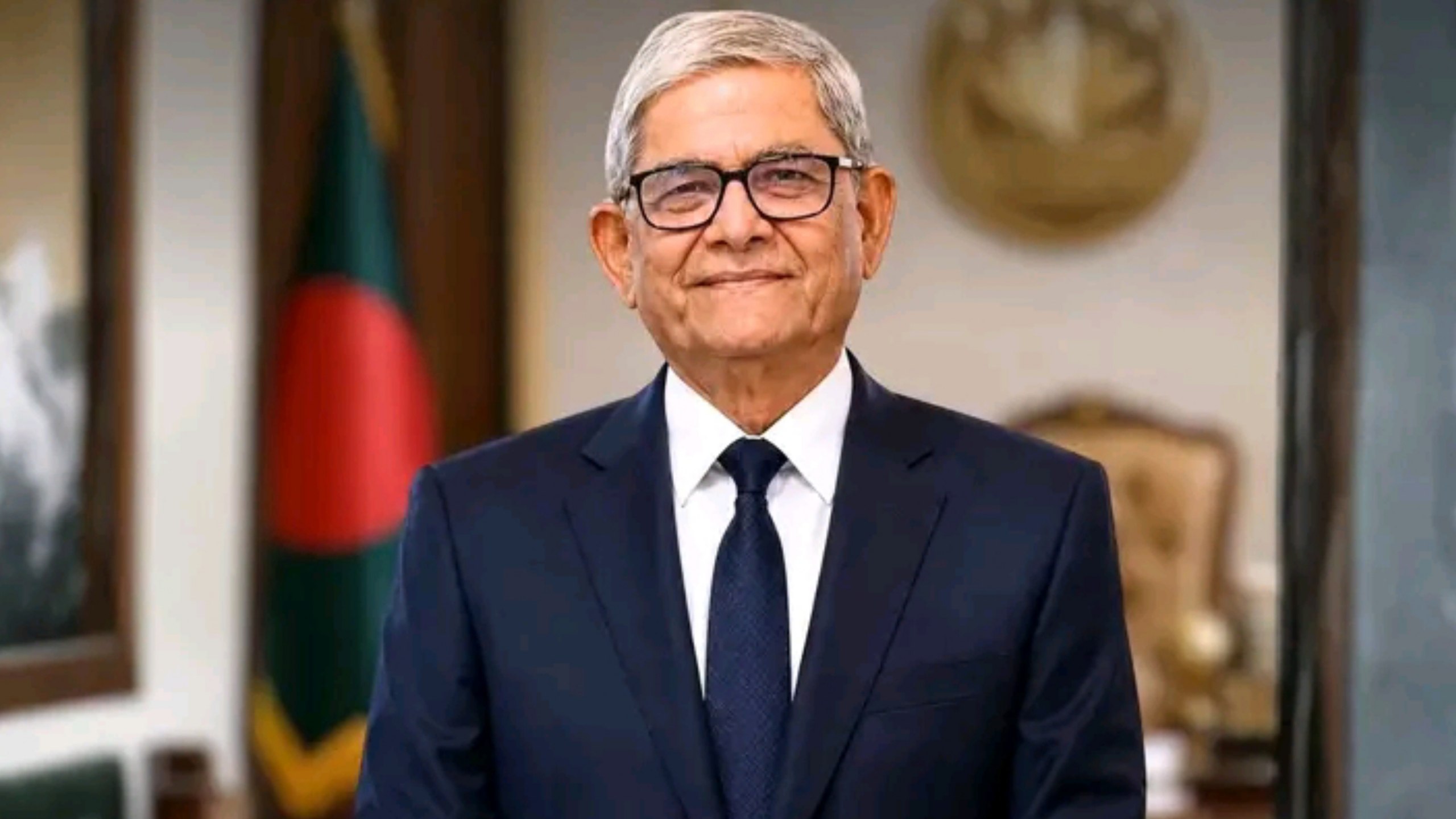
For over five decades, Mirza Fakhrul Islam Alamgir has been in the public life of Bangladesh, from college lecture halls to the highest echelons of opposition politics and now, to the doorstep of Bangabhaban, the presidential palace.
On 13 August 2026, he was formally nominated by the Bangladesh Nationalist Party as its candidate for the presidency to be held on 20 August. With BNP securing a majority in the parliament after winning the February 2026 general election, Fakhrul is widely tipped to be the country’s 23rd president. His story – from student union leader to head of state – is a microcosm of the long arc of Bangladesh’s political history itself.
Early Life & A Politically Aware Household
Fakhrul was born on 26 January 1948 in Thakurgaon in northern Bangladesh, and grew up in the prominent Mirza family. His father, Mirza Ruhul Amin, was a respected lawyer and ex-member of parliament; politics was in the blood of the extended family.
One uncle later became a cabinet minister and speaker of parliament, and another was a member of the Mujibnagar government formed in exile during the 1971 Liberation War. Fakhrul did his HSC from Dhaka College. Later, he got admitted to the University of Dhaka and studied economics. He completed both his bachelor’s and master’s degrees with honours from the same university.
Climbing Up The Ladder In Dhaka University Student Politics
Fakhrul’s political journey actually started from Dhaka University. In the 1960s, he joined the East Pakistan Students Union, the student arm of the then East Pakistan Communist Party. He first served as general secretary of the organisation’s SM Hall unit and then rose through the ranks.
Fakhrul was elected president of the union’s Dhaka University branch during the mass uprising of 1969 against the Ayub Khan regime, making him a key figure in a defining moment in the region’s political history. However, his activism came at a cost as he was arrested and imprisoned for his involvement in the movement, an experience that would foreshadow the many legal and political battles he would face in the decades to come.
From Classroom to Community Service
Fakhrul didn’t jump straight into politics after his studies. After the independence of the country in 1972, he became a lecturer in economics at Dhaka College. He also taught at government colleges in Dinajpur and Thakurgaon.
He joined the Bangladesh Civil Service in the education cadre and served in several administrative posts, including deputy director at the Directorate of Inspection and Audit and the Bangladesh National Commission for UNESCO. He was private secretary to the then deputy prime minister S. A. Bari in the administration of President Ziaur Rahman from 1979 to 1982, and this afforded him his first insight into the operations of national government.
A Career in Public Life
Fakhrul gave up teaching to concentrate on politics full time in 1986. Two years later, he was elected chairman of Thakurgaon Municipality as an independent candidate, his first experience of elected office.
He later became a member of parliament from Thakurgaon-1, first briefly in 1996 and then from 2001 to 2006, during which time he also served as State Minister for Agriculture and then for Civil Aviation and Tourism.
His standing in the Bangladesh Nationalist Party continued to grow, and in 2011 he was appointed acting secretary general, a position he held permanently from 2016 onwards. As secretary general, he became one of the opposition’s most recognisable faces, leading the party through years of agitation, elections and spells of political pressure.
Discover More Stories Worth Your Time
Explore Why Colombia Declared Emergency?
Discover what the powerful earthquake means for Colombia and the latest emergency response.
Check Why Jaya’s Sarees Trend?
Discover why Jaya Ahsan’s elegant saree looks continue captivating fans online.
See Where Hasina’s Crisis Leads?
Explore the accountability debate surrounding Hasina, India, and Bangladesh’s political future.
Find Which Airport Hotels Fit?
Discover convenient hotels near Dhaka Airport for short layovers and overnight stays.
The Road To The Presidency
Fakhrul was elected again to parliament from Thakurgaon-1 in the February 2026 general election when BNP made a landslide return to power. He was sworn in as Minister for Local Government, Rural Development and Cooperatives on February 17, 2026.
The biggest twist in his path came on August 13 when BNP Chairman and Prime Minister Tarique Rahman announced Fakhrul as the party’s candidate for president. Fakhrul resigned from his post as secretary general and the party’s Standing Committee after the nomination and submitted his nomination papers formally on the same day.
Fakhrul is likely to become Bangladesh’s 23rd president, as voting is set for August 20 and BNP has a comfortable majority in parliament. This will be the first contested election in 35 years, and it will be against LDP Chairman Oli Ahmad, who has been nominated by the opposition alliance led by Jamaat-e-Islami.
A Journey Defined By Determination
Mirza Fakhrul Islam Alamgir’s journey from a student leader jailed for his activism to lecturer, civil servant, elected chairman, cabinet minister and long-serving party secretary general is testimony to a career built on persistence through changing political tides. About to become head of state, his story is a rare example of a life almost entirely given to public service, beginning with a single election on a university campus more than five decades ago.